How Long Does a Toyota Engine Last and What Affects It
A Toyota engine can last well over 200,000 miles with proper care, and some models even reach 300,000 miles or more. The lifespan depends heavily on maintenance habits, driving conditions, fuel quality, and how you treat your engine day to day. This guide covers everything you need to know about Toyota engine longevity, from factory-built reliability to real-world ownership experience.
Toyota has built a reputation for making engines that just keep going. When you buy a Toyota, you are often buying peace of mind. But how long does a Toyota engine actually last? The answer might surprise you. With the right care and attention, a Toyota powerplant can serve you well beyond 200,000 miles. Some owners even push their engines past the 300,000-mile mark.
The truth is, engine longevity depends on many factors. It is not just about the brand or the model. Your daily habits, maintenance routine, and even the fuel you use all play a role. In this guide, we will walk through everything you need to know about Toyota engine lifespan. We will cover what helps engines last longer, what causes premature wear, and how you can get the most miles out of your Toyota.
Whether you own a Camry, a Tacoma, or a Highlander, this article has useful insights for you. Let us dive into the world of Toyota engine durability and find out what makes these engines so special.
Key Takeaways
- Toyota engines are built to last: With regular care, most Toyota engines exceed 200,000 miles easily.
- Maintenance is everything: Following a maintenance schedule dramatically extends engine life.
- Driving habits matter: Gentle acceleration and proper warm-ups reduce engine wear significantly.
- Common problems are fixable: Issues like overheating and oil leaks are preventable with attention.
- Model and year matter: Some Toyota engines have proven track records of exceptional longevity.
- Fuel quality affects durability: Using clean, quality fuel protects internal engine components over time.
📑 Table of Contents
- How Long Does a Toyota Engine Last on Average?
- What Affects Toyota Engine Lifespan?
- Common Toyota Engine Problems That Reduce Lifespan
- How to Maximize Your Toyota Engine’s Lifespan
- How Does Toyota Engine Longevity Compare to Other Brands?
- When Should You Consider an Engine Replacement?
- Final Thoughts on Toyota Engine Longevity
How Long Does a Toyota Engine Last on Average?
The average Toyota engine is designed to last between 200,000 and 300,000 miles. This is well above the industry average for most vehicles. Many car brands see engines struggling after 150,000 miles. Toyota engines, however, often keep running strong well past that point.
Several Toyota models are famous for their longevity. The Toyota Camry, for example, regularly shows up on lists of cars with the highest mileage. The Toyota Tacoma is another standout. Owners of these vehicles frequently report crossing the 250,000-mile threshold without major engine work. For comparison, the average car on the road today is driven about 13,000 to 15,000 miles per year. That means a Toyota engine can easily last 15 to 20 years or more.
Of course, these numbers are averages. Your actual results will vary based on how well you maintain the vehicle and how you drive it. Some Toyotas have even been documented reaching over 400,000 miles. These are exceptions, but they show the potential when everything goes right.
Which Toyota Engines Last the Longest?
Not all Toyota engines are created equal. Some have earned legendary status for their durability. The 2.4-liter 2AZ-FE engine found in many Camry models is one example. The 1GR-FE V6 engine in the Tacoma has also proven remarkably tough. The 1ZZ-FE 1.8-liter engine from older Corollas and Matrix models has a strong track record too. These engines share common traits. They are simple in design, use quality materials, and do not have overly complex systems that can fail.
When looking at Toyota engine longevity, simpler often means better. Fewer moving parts and fewer electronic components mean fewer things that can go wrong. This is why many older Toyota models remain on the road today, running strong even after two decades of use.
What Affects Toyota Engine Lifespan?
Many factors determine how long your Toyota engine will last. Some you can control. Others are simply part of the driving experience. Understanding these factors helps you make smarter decisions about car ownership.
Maintenance Habits
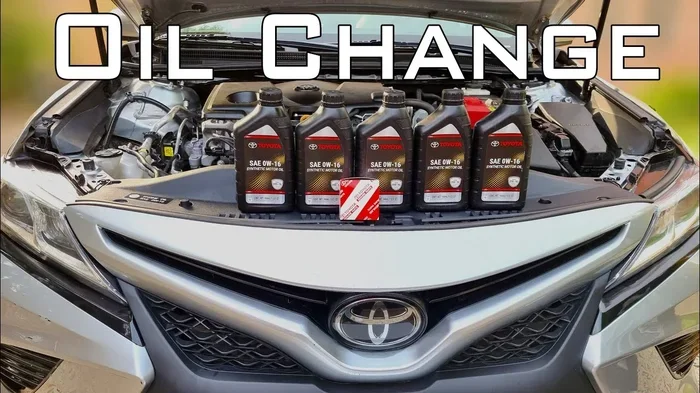
This is the single biggest factor. Regular maintenance keeps an engine healthy for the long haul. Oil changes are the most important task. Fresh oil lubricates moving parts and prevents friction. Dirty oil causes wear and can lead to engine failure over time. Following a proper maintenance schedule ensures nothing gets missed.
Here are the key maintenance tasks that protect your Toyota engine:
- Oil changes: Every 5,000 to 7,500 miles for conventional oil, or 10,000 miles for synthetic.
- Coolant flushes: Every 30,000 to 50,000 miles to prevent overheating.
- Timing belt replacement: Typically at 90,000 to 105,000 miles, depending on the model.
- Spark plug replacement: Every 60,000 to 100,000 miles for optimal combustion.
- Air filter changes: Every 15,000 to 30,000 miles to keep debris out of the engine.
- Transmission fluid changes: Every 60,000 to 100,000 miles. This also affects engine load.
Skipping even one of these tasks can shorten your engine life. It is tempting to push off a service when things seem fine. But prevention is always cheaper than repair.
Driving Habits
How you drive has a real impact on engine health. Aggressive driving, such as rapid acceleration and hard braking, puts extra stress on engine components. Over time, this adds up. Gentle driving extends the life of your engine significantly.
Here are some driving habits that help your Toyota engine last longer:
- Warm up the engine for 30 seconds to one minute before driving hard.
- Avoid revving the engine to the red line on a regular basis.
- Shift gears smoothly if you drive a manual transmission.
- Do not lug the engine at low RPMs in high gear.
- Allow the engine to cool down after long drives before turning it off.
These small changes add up over thousands of miles. They reduce wear on pistons, bearings, and other internal parts. Think of it this way: your engine is like your body. Treat it gently, and it will serve you longer.
Fuel Quality
The fuel you put into your Toyota matters more than you might think. Low-quality fuel can contain contaminants that damage fuel injectors and combustion chambers. Over time, this leads to reduced performance and increased wear. Always use the recommended octane rating for your specific Toyota model.
Most Toyotas run fine on regular unleaded fuel. However, some higher-performance models may require premium fuel. Check your owner’s manual to be sure. Using the wrong fuel type can cause knocking, which damages the engine over time.
Also, try to buy fuel from reputable stations. Gas stations with high turnover rates are less likely to have contaminated fuel sitting in their tanks. This is a simple step that many people overlook.
Driving Conditions
Where and how you drive affects engine longevity. Stop-and-go city driving is harder on an engine than steady highway cruising. Frequent idling in traffic causes heat buildup and increased fuel residue in the engine. If you live in a hot climate, your engine cooling system works harder, which can accelerate wear.
Extreme cold is also tough on engines. Cold starts cause more friction because the oil has not fully circulated yet. If you live in a cold climate, consider using a block heater during winter months. This warms the engine before you start it and reduces wear.
For those who drive in harsh conditions, you may need to shorten your maintenance intervals. Severe driving conditions include towing, driving in dusty environments, and frequent short trips. These all put extra strain on the engine.
Towing and Load Capacity
Toyota trucks like the Tacoma and Tundra are built to tow. But exceeding the recommended towing capacity puts enormous stress on the engine. The engine has to work harder, which increases heat and wear. Always check your owner’s manual for the maximum towing capacity before hauling a trailer.
For example, if you are wondering how much can a Tacoma tow, the answer depends on the engine and configuration. Staying within the rated limits keeps your engine healthy for the long term. Overloading is one of the fastest ways to shorten engine life.
Common Toyota Engine Problems That Reduce Lifespan
Even the best Toyota engines can develop problems. The key is catching them early before they cause serious damage. Here are the most common issues that affect Toyota engine longevity.
Overheating
Overheating is one of the most destructive things that can happen to an engine. When the engine runs too hot, it can warp the cylinder head, blow head gaskets, and crack the block. Toyota engines are generally good at managing heat, but cooling system failures can still happen.
Common causes of overheating include low coolant levels, a failing water pump, a broken thermostat, or a clogged radiator. If your temperature gauge starts climbing, pull over safely and let the engine cool down. Continuing to drive an overheating engine can cause catastrophic damage. For tips on preventing this, check out our guide on how to prevent a car from overheating in summer.
Oil Leaks
Oil leaks are common in older Toyota engines. They can develop from worn gaskets, valve cover seals, or oil pan gaskets. A small leak might not seem like a big deal, but over time, low oil levels cause increased friction and engine wear. Check your oil level regularly and address leaks promptly.
Timing Belt Failure
Many Toyota engines use a timing belt instead of a timing chain. The timing belt needs to be replaced at the recommended interval, usually around 90,000 to 105,000 miles. If the belt breaks, it can cause severe engine damage. The pistons can collide with the valves, leading to expensive repairs. This is one maintenance item you should never skip.
Carbon Buildup
Carbon deposits can build up on intake valves and combustion chambers over time. This is especially common in engines that do a lot of short-trip driving. Carbon buildup reduces performance and fuel efficiency. It can also cause rough idling and misfires. Using fuel additives periodically or doing an induction service can help prevent this issue.
Sludge Formation
Engine sludge forms when oil breaks down and mixes with contaminants. It clogs oil passages and restricts flow to critical engine parts. Sludge buildup is usually the result of infrequent oil changes or using the wrong type of oil. Always use the oil weight and type recommended by Toyota for your specific engine.
How to Maximize Your Toyota Engine’s Lifespan
Now that we have covered what affects engine life and common problems, let us talk about what you can do to get the most out of your Toyota engine. These practical tips are easy to follow and make a big difference over time.
Follow the Maintenance Schedule
This cannot be stressed enough. Toyota provides a detailed maintenance schedule in the owner’s manual. Follow it exactly. Do not skip services because the car seems fine. Regular maintenance catches small problems before they become big ones. Think of it as an investment in your engine’s future.
Use Quality Parts and Fluids
When it is time for repairs or fluid changes, use quality parts. Genuine Toyota parts or high-quality aftermarket alternatives are the best choice. Cheap fluids and parts may save money upfront but can cause problems down the road. This includes using the right grade of oil, quality coolant, and OEM-spec spark plugs.
Listen to Your Engine
You know your car better than anyone. Pay attention to unusual sounds, vibrations, or changes in performance. A knocking sound, a rough idle, or a check engine light should never be ignored. Addressing issues early is always cheaper than letting them develop into major problems.
Keep the Engine Clean
A clean engine runs better. Dirt and debris can clog cooling fins and air passages. Regularly washing the engine bay prevents buildup that can lead to overheating. Just be careful around electrical components when washing under the hood.
Address Recalls and Technical Bulletins
Toyota occasionally issues recalls or technical bulletins for specific engine issues. Stay informed about any recalls that apply to your vehicle. These are free fixes that address known problems before they cause damage. You can check recalls on the Toyota website or through the NHTSA database.
How Does Toyota Engine Longevity Compare to Other Brands?
Toyota engines consistently rank among the most reliable in the automotive industry. But how do they stack up against the competition? Let us take a quick look at how Toyota engine lifespan compares to some other popular brands.
According to various reliability studies and owner surveys, Toyota engines tend to outlast engines from many competitors. Brands like Honda also have strong longevity records. However, some domestic brands see engines requiring major work earlier in their lifespan. When comparing to models like the Chevy Tahoe or the Ford F-150, Toyota engines often show fewer major issues at the 200,000-mile mark.
This does not mean every Toyota engine will outlast every competitor engine. Individual results vary. But the overall trend is clear: Toyota builds engines that are designed for longevity. The engineering focus on simplicity and durability gives Toyota engines an edge in the long run.
One reason for this is Toyota’s approach to engineering. They tend to use proven designs rather than chasing the latest technology for its own sake. While other brands may adopt new engine technologies faster, Toyota takes a more measured approach. This conservatism pays off in reliability over time.
When Should You Consider an Engine Replacement?
Even with the best care, there may come a time when your Toyota engine needs replacement. How do you know when that time has arrived? Here are the signs to watch for.
If the engine is consuming excessive oil, it may be nearing the end of its useful life. Blue smoke from the exhaust, knocking sounds from deep within the engine block, and significant loss of power are all warning signs. A compression test performed by a mechanic can tell you the health of your engine’s internal components.
Before replacing the entire engine, consider a rebuild. An engine rebuild involves replacing worn components like pistons, bearings, and gaskets. This can extend engine life significantly at a lower cost than a full replacement. However, a rebuild only makes sense if the engine block itself is still in good condition.
For those wondering about the cost, engine replacement can range from $4,000 to $8,000 or more depending on the Toyota model and the type of engine. A rebuilt engine typically costs less than a new one. Always get multiple quotes from qualified mechanics before making a decision.
Final Thoughts on Toyota Engine Longevity
The answer to how long a Toyota engine lasts is clear: with proper care, a Toyota engine can easily last 200,000 to 300,000 miles or more. The brand’s commitment to quality and durability is evident in the millions of Toyotas still on the road today with high mileage.
Your role as an owner is crucial. Following a consistent maintenance routine, driving gently, using quality fuel, and addressing problems early are the keys to unlocking your engine’s full potential. Toyota builds engines to last, but you have to do your part to maintain them.
Whether you are buying a new Toyota or maintaining one you have owned for years, the principles remain the same. Take care of your engine, and it will take care of you. The peace of mind that comes with knowing your Toyota engine is in great shape is worth every bit of effort you put into maintaining it.
Remember, a well-maintained Toyota engine is not just a transportation tool. It is a reliable companion that can take you places for decades. Treat it well, and it will reward you with years of dependable service. Start implementing these tips today, and your Toyota engine will thank you for years to come.
Frequently Asked Questions
How many miles can a Toyota engine last with proper maintenance?
With consistent and proper maintenance, most Toyota engines can last between 200,000 and 300,000 miles. Some well-cared-for Toyota engines have even surpassed the 400,000-mile mark. Regular oil changes, timely fluid replacements, and using quality parts are the key factors that contribute to this kind of longevity.
What is the most common reason Toyota engines fail early?
The most common reason is neglecting regular maintenance, especially oil changes. Dirty or low oil causes increased friction and wear on internal engine components. Other common causes include overheating, ignoring warning signs like check engine lights, and using poor-quality fuel that leads to carbon buildup and injector problems.
Does driving style really affect Toyota engine lifespan?
Yes, driving style has a significant impact on engine longevity. Aggressive driving, rapid acceleration, and frequent hard braking put extra stress on engine components. Gentle driving habits, smooth acceleration, and allowing the engine to warm up properly can add many thousands of miles to your engine’s life.
How often should I change the oil in my Toyota engine?
Toyota recommends oil changes every 5,000 to 7,500 miles for conventional oil and every 10,000 miles for synthetic oil. However, if you drive in severe conditions such as extreme heat, dusty roads, or frequent short trips, you should shorten these intervals. Always refer to your owner’s manual for the specific recommendation for your Toyota model.
Can a Toyota engine be rebuilt instead of replaced?
Yes, a Toyota engine can often be rebuilt instead of fully replaced. A rebuild involves replacing worn components like pistons, bearings, gaskets, and seals while keeping the engine block intact. This is usually a more cost-effective option than a full engine replacement, especially if the engine block is still in good condition.
Are Toyota engines more reliable than other brands?
Toyota engines consistently rank among the most reliable in the industry. They are known for their durability and lower maintenance costs over time. While other brands like Honda also have strong reliability records, Toyota engines tend to show fewer major issues at higher mileage milestones compared to many competitors.
=== CONCLUSION ===
How long does a Toyota engine last? The answer is clear: a well-maintained Toyota engine can reliably serve you for 200,000 to 300,000 miles or more. The key factors that determine this lifespan include regular maintenance, quality fuel, gentle driving habits, and prompt attention to any warning signs. Toyota has built a legacy of engine durability that few other brands can match.
By following the maintenance tips and driving practices outlined in this guide, you can maximize your Toyota engine’s potential. Do not wait for problems to appear. Stay proactive with your maintenance routine and listen to what your engine is telling you. A little effort today saves you from costly repairs tomorrow. Your Toyota engine is built to last, and with your care, it truly will.