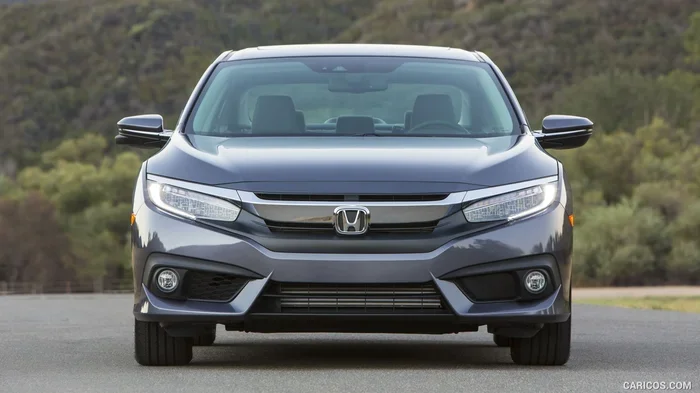
How Much Is a 2016 Honda Civic and What It Is Worth
A 2016 Honda Civic typically holds its value well, with current prices ranging from around $10,000 to $18,000 depending on trim, mileage, and condition. This guide breaks down the exact worth of each trim level and shows you how to spot a fair deal. You’ll learn the key factors that affect depreciation and get practical tips to maximize your investment.
The 2016 Honda Civic remains one of the most popular compact sedans on the used car market. Whether you are a first-time buyer or looking for a reliable daily commuter, this model offers a great balance of fuel efficiency, modern features, and long-term dependability. But how much should you actually pay for one? The answer depends on trim level, mileage, condition, and where you shop. In this guide, we break down the exact worth of a 2016 Honda Civic and give you the tools to make a smart purchase.
Current market data shows that a 2016 Honda Civic can range from around $10,000 for a high-mileage base model to nearly $18,000 for a well-kept Touring or Si trim. These numbers shift based on location, accident history, and whether the car is sold by a dealer or a private party. By the end of this article, you will know exactly what price range to expect and how to avoid overpaying. We also cover the true cost of ownership so you can budget with confidence.
Understanding the value of a 2016 Honda Civic goes beyond just looking at a sticker price. You need to consider depreciation, maintenance history, and the specific features that matter most to you. This guide walks you through every factor that influences the final number. You will learn how to spot a good deal, negotiate effectively, and decide if this popular sedan fits your lifestyle and budget.
Key Takeaways
- Current Market Value: A 2016 Honda Civic in good condition typically sells for $10,000 to $18,000 based on trim and mileage.
- Trim Levels Matter: The LX, EX, Touring, and Si trims each have distinct features that influence resale price.
- Mileage Is Critical: Lower mileage and a clean maintenance history can significantly boost the car’s worth.
- Ownership Costs Are Low: The Civic is known for reliability and fuel efficiency, keeping long-term expenses minimal.
- Check Before Buying: Always use resources like Kelley Blue Book and get a vehicle history report to avoid overpaying.
- Private Party vs. Dealer: Buying from a private seller often saves money, but a dealer offers warranty and financing options.
📑 Table of Contents
What Is a 2016 Honda Civic Worth Today?
The resale value of a 2016 Honda Civic has remained strong compared to many competitors in the compact sedan segment. Honda vehicles are known for holding their value, and the Civic is no exception. According to Kelley Blue Book and Edmunds, the average trade-in value for a 2016 Honda Civic sits between $9,500 and $15,000. Private party sales often fall in the $11,000 to $18,000 range, depending on the factors we will cover next.
Current Prices for Different Trims
The trim level is the single biggest driver of price. A car with a base LX sedan and average mileage will cost less than a loaded Touring trim with the same mileage. Here is a quick snapshot of typical private party prices for a 2016 Honda Civic in good condition with around 60,000 to 80,000 miles.
- LX: $10,000 to $13,000
- EX: $12,000 to $15,000
- Touring: $14,000 to $17,500
- Si: $13,000 to $16,500
Dealer retail prices are usually $1,000 to $2,000 higher than private party listings. Certified pre-owned 2016 Honda Civic models from Honda dealers may command a premium because they come with a warranty and a rigorous inspection. If you are financing your purchase, remember that your monthly car payment will depend on the loan amount, interest rate, and term length.
How Much Does a 2016 Honda Civic Depreciate?
Like all cars, a 2016 Honda Civic loses value over time. However, the Civic depreciates at a slower rate than many rivals. Most new cars lose about 20% of their value in the first year and roughly 15% each year after that. A 2016 Honda Civic that was new at around $19,000 to $25,000 depending on trim has already gone through the steepest part of the depreciation curve. By 2024, the steep drop is mostly behind it, which makes this model a smart used car choice. The Civic holds value well because of its reputation for reliability and its strong demand in the used market.
Understanding the 2016 Honda Civic Trim Levels
Knowing the differences between trims helps you understand why prices vary so much. Each trim level adds features that can make a car more appealing to certain buyers. Let us break down what you get in each trim of the 2016 Honda Civic.
LX Trim: The Solid Base Model
The LX is the entry-level trim and the most affordable option. It comes with a 2.0-liter i-VTEC four-cylinder engine producing 158 horsepower. You get a six-speed manual or a continuously variable transmission (CVT). Standard features include a 5-inch infotainment display, Bluetooth, a rearview camera, and cloth seating. The LX is a great choice if you want a reliable 2016 Honda Civic without paying for extra features you might not need. Its simplicity also means lower insurance costs in many cases.
EX Trim: The Sweet Spot for Features
The EX trim adds several desirable upgrades. You get a power moonroof, Honda Sensing safety suite (which includes collision mitigation braking, road departure mitigation, and adaptive cruise control), and a 7-inch touchscreen display with Apple CarPlay and Android Auto. The EX also includes a remote start and a more upscale audio system. For many buyers, the EX trim offers the best balance of features and value. If you are shopping for a 2016 Honda Civic, the EX is often the trim we recommend because it has the most important modern conveniences.
Touring Trim: Luxury and Comfort
The Touring trim is the top-of-the-line version. It adds leather-trimmed seats, a power driver seat, upgraded audio with a 450-watt amplifier, and unique 17-inch alloy wheels. The Touring also gets Honda LaneWatch, which displays the right-side blind spot on the center screen. If you find a clean, low-mileage Touring trim, it will command a higher price. The 2016 Honda Civic Touring feels more like a premium compact sedan, and that is reflected in its resale value.
Si Trim: Sporty Performance
The Si trim brings a turbocharged 1.5-liter engine that produces 205 horsepower. It also comes with a sport-tuned suspension, larger front stabilizer bars, and unique front seats. The Si is a fun driver and still delivers good fuel economy. The 2016 Honda Civic Si appeals to enthusiasts who want a bit of spice without buying a different car entirely. Because the Si is a special trim, it tends to hold its value well, especially if it has been maintained properly.
Factors That Affect the Price of a Used 2016 Honda Civic
Not all 2016 Honda Civic models are priced the same. Several hidden factors can push the price up or down. Understanding these will help you negotiate and avoid paying too much.
Mileage and Condition
Mileage is one of the most obvious factors. A car with 40,000 miles will always be worth more than one with 120,000 miles, assuming both are in similar condition. But condition matters just as much. A 2016 Honda Civic with 80,000 miles but a clean interior, no accidents, and fresh tires can be worth more than a low-mileage car that has been neglected. Always inspect the paint, interior wear, and listen for unusual noises in the engine or suspension. If you are unsure, a pre-purchase inspection by a trusted mechanic is a smart move.
When evaluating mileage, keep in mind the average annual driving distance. According to our guide on how much mileage is good for a used car, the sweet spot for a sedan is typically under 12,000 miles per year. A 2016 Honda Civic that has been driven less than that average will likely be in better shape and hold its value longer.
Service History and Maintenance Records
A well-documented service history can significantly boost the price of a 2016 Honda Civic. If the seller has records showing regular oil changes, brake pad replacements, and timing belt service (if applicable), buyers feel confident. The absence of records does not necessarily mean the car is bad, but it does add risk. You should also check for any recall notices. Honda has issued recalls on some 2016 Civic models, and a repaired recall is a plus. Ask the seller for a vehicle history report to confirm the title status and look for any red flags.
Location and Market Demand
Car prices vary by region. In areas with harsh winters and road salt, a 2016 Honda Civic might show more rust or undercarriage wear, which can lower the price. In sunny, warm regions, cars often have less wear and can command a premium. Demand also plays a role. In cities where the Civic is a popular commuter car, prices tend to be higher. In rural areas with lower demand, you might find a better deal. Check local listings on sites like Autotrader, Cars.com, and Facebook Marketplace to get a sense of your local market.
Common Mistakes to Avoid
One of the biggest mistakes buyers make is focusing only on the monthly payment. A low monthly payment can hide a high total cost if the loan term is long. Another mistake is skipping the vehicle history report. Even a car that looks perfect on the outside can have hidden accident damage. Finally, do not ignore the test drive. Listen for strange sounds, check the brakes, and test all the electronics. A 2016 Honda Civic that has been well cared for should feel smooth and responsive on the road.
How to Know If a 2016 Honda Civic Is a Good Deal
Finding a great deal on a 2016 Honda Civic requires a bit of homework. You cannot just walk into a dealership and accept the first number they give you. Here is a step-by-step approach to ensure you are getting a fair price.
Using Online Valuation Tools
Start by checking the national average price on how to know if a car is a good deal using resources like Kelley Blue Book, Edmunds, and NADA Guides. These tools give you a range of values based on the trim, mileage, and condition. Enter the specific details of the 2016 Honda Civic you are considering and compare the asking price to the average. If the price is at the low end of the range, it might be a bargain. If it is above average, you have room to negotiate.
Getting a Vehicle History Report
Always run a vehicle history report before you commit. A Carfax or AutoCheck report will show you the title status, number of previous owners, any reported accidents, and service records. A clean title with no accidents is ideal. If the report shows a salvage title or multiple owners in a short period, proceed with caution. A clean history report gives you confidence that the 2016 Honda Civic is worth the asking price.
Negotiating the Price
Negotiation is expected in the used car market. Use the valuation data you gathered as your leverage. Point out any issues you found during the inspection, such as worn tires or a minor scratch. Be polite but firm. If the seller is not willing to budge, be prepared to walk away. There are always other 2016 Honda Civic listings available. A strong negotiator can often save $500 to $1,500 off the asking price. Remember that the goal is to reach a fair price for both parties, not to humiliate the seller.
Quick Tips for a Smooth Purchase
- Get pre-approved for a loan before you visit the dealer. This gives you a clear budget and bargaining power.
- Bring a friend or family member who is mechanically inclined to help with the inspection.
- Check for open recalls on the NHTSA website and ask the seller if they have been addressed.
- Test drive the car at different speeds and on both city streets and highways.
- Do not rush the decision. Take your time and compare at least three different 2016 Honda Civic listings.
The True Cost of Owning a 2016 Honda Civic
The purchase price is only part of the equation. You also need to budget for the ongoing costs of ownership. The good news is that the 2016 Honda Civic is one of the most affordable sedans to own over the long term.
Fuel Economy and Maintenance Costs
The base 2.0-liter engine delivers an EPA-estimated 30 mpg in the city and 40 mpg on the highway with the CVT. The Si trim is a bit thirstier but still returns around 28 mpg combined. Fuel costs will depend on your driving habits and local gas prices, but the Civic is efficient enough to keep your monthly fuel bill low. Maintenance costs are also reasonable. Honda parts are widely available and relatively affordable. Routine services like oil changes, brake pads, and tire rotations are straightforward and inexpensive. The 2016 Honda Civic has a reputation for reliability, which means fewer surprise repairs.
Insurance and Registration Fees
Insurance premiums for a 2016 Honda Civic are generally moderate. The Civic is a popular target for theft, so you may pay a bit more for comprehensive coverage. However, its strong safety ratings and the availability of Honda Sensing features can help lower your rates. Registration fees vary by state, but the Civic falls into a standard price bracket. Check with your local DMV for the exact cost.
Financing Options and Monthly Payments
If you are not paying cash, your monthly car payment will depend on the loan amount, interest rate, and term. For a 2016 Honda Civic priced at $13,000 with a 10% down payment and a 5% interest rate over 60 months, the monthly payment would be roughly $240. Shorter terms mean higher payments but less interest paid overall. Always get pre-approved from your bank or credit union before visiting a dealer. This gives you a benchmark and prevents the dealer from steering you into a higher-rate loan.
Expert Insights on Long-Term Ownership
Many owners report that a 2016 Honda Civic can easily surpass 200,000 miles with proper care. The biggest factors are regular oil changes, timely timing belt replacement (if applicable), and addressing small issues before they become big problems. The Civic’s simple, well-engineered design makes repairs straightforward. Even as the car ages, its resale value remains competitive. This makes it an excellent choice for buyers who plan to keep the car for a long time or those who want a low-risk used car investment.
Should You Buy a 2016 Honda Civic?
After reviewing the pricing, features, and ownership costs, the 2016 Honda Civic emerges as a compelling choice in the used compact sedan market. It offers a rare combination of reliability, fuel efficiency, and fun-to-drive dynamics. The question is whether it fits your specific needs and budget.
Pros and Cons at a Glance
- Pros: Excellent fuel economy, proven Honda reliability, strong resale value, comfortable ride, modern tech features in EX and above, sporty handling in the Si trim.
- Cons: Rear seat space is tight compared to some rivals, the base engine can feel underpowered for some drivers, CVT transmission can feel rubbery under hard acceleration, older models lack some of the latest safety tech found in newer Civics.
Final Verdict
If you are looking for a dependable daily driver that will not break the bank, the 2016 Honda Civic is hard to beat. Its strong resale value means you will lose less money when it is time to sell or trade in. Whether you choose the practical LX, the well-equipped EX, the luxurious Touring, or the fun-loving Si, you are getting a car that has been loved by millions. Do your homework, run a vehicle history report, and negotiate with confidence. A 2016 Honda Civic can serve you well for many more miles to come.
Take your time, compare multiple listings, and trust your instincts. The right 2016 Honda Civic is out there waiting for you. Happy shopping!
Frequently Asked Questions
How much should I pay for a 2016 Honda Civic?
A fair price for a 2016 Honda Civic in good condition typically ranges from $10,000 to $18,000. The exact amount depends on the trim level, mileage, and overall condition. Use online valuation tools like Kelley Blue Book to compare the asking price with the local market average before making an offer.
Is a 2016 Honda Civic a good car to buy used?
Yes, the 2016 Honda Civic is widely regarded as one of the best used compact sedans. It offers excellent fuel economy, a reputation for reliability, and modern features like Honda Sensing safety technology. As long as the car has a clean history and has been well maintained, it is a smart purchase for most buyers.
What trim of the 2016 Honda Civic is the best value?
The EX trim is often considered the best value for a 2016 Honda Civic. It adds important features like Honda Sensing safety suite, Apple CarPlay, Android Auto, and a power moonroof without the luxury price tag of the Touring trim. The Si trim is a great choice if you want sporty performance and are willing to pay a bit more.
How many miles will a 2016 Honda Civic last?
With proper maintenance, a 2016 Honda Civic can easily last 200,000 miles or more. Honda engines are known for their durability, and the Civic’s simple design makes repairs affordable. Regular oil changes, timely brake service, and addressing small issues promptly are the keys to a long lifespan.
Does a 2016 Honda Civic have Apple CarPlay?
Apple CarPlay and Android Auto are standard on the 2016 Honda Civic EX trim and above. The base LX trim comes with a 5-inch display and Bluetooth but does not include smartphone integration. If you need these features, aim for the EX or higher trim levels.
Should I buy a 2016 Honda Civic from a dealer or private party?
Buying from a private party usually saves you money, but you take on more risk regarding the car’s history. A dealer offers a vehicle history report, a warranty, and financing options. If you are not confident in your ability to inspect the car, a certified pre-owned 2016 Honda Civic from a Honda dealer is a safe and convenient choice.