How Much Should an Oil and Filter Change Cost on Average
The average oil and filter change cost ranges from $35 to $75 for conventional oil and $65 to $125 for synthetic oil. Prices vary based on oil type, filter quality, and whether you visit a dealership, independent shop, or do it yourself. Understanding these factors helps you avoid overpaying and keeps your engine running smoothly.
Keeping up with your oil and filter change cost is one of the simplest ways to protect your engine. Fresh oil lubricates moving parts, reduces friction, and carries heat away from critical components. A clogged filter can restrict flow and let contaminants circulate. That is why staying on top of this basic service matters so much.
Many car owners wonder what a fair price looks like. The answer depends on the oil you choose, the filter quality, and where you go for service. This guide breaks down every factor that influences the final bill. You will learn the average oil change price for different oil types, see how dealership and independent shop rates compare, and discover easy ways to save money without cutting corners.
Whether you drive a daily commuter or a long-haul truck, understanding these costs puts you in control. You will never again wonder if you are paying too much for a routine oil and filter change. Let us walk through the numbers together.
Key Takeaways
- Average cost range: Most drivers pay between $35 and $125 depending on oil type and location.
- Synthetic oil costs more: A synthetic oil and filter change typically runs $65 to $125, while conventional oil is $35 to $75.
- DIY saves money: Changing your own oil and filter can cut the cost to $20 to $50 in parts alone.
- Dealerships charge a premium: Dealer oil changes often cost $20 to $50 more than independent shops.
- Reset the light afterward: After an oil change, you may need to reset the oil change light to clear the maintenance message.
- Check for free services: Some brands like Toyota offer free oil changes at Toyota during the warranty period.
📑 Table of Contents
What Determines the Oil and Filter Change Cost?
Several factors stack up to set your final price. Each one plays a real role in how much you pay at the counter or garage door. Knowing them helps you budget and avoid surprises.
Oil Type and Quality
The single biggest driver of oil and filter change cost is the oil you pick. Conventional mineral oil is the most affordable option. It works well for older engines with simple designs. Synthetic blend oil sits in the middle, offering better protection at a moderate price. Full synthetic oil delivers the highest performance and longest oil change interval, but it costs more per quart. If you use a high-mileage synthetic blend, you will pay a premium that reflects the added conditioners and detergents.
Filter Quality and Brand
Not all oil filters are created equal. A cheap paper filter may trap large particles but let smaller ones pass through. Premium filters use advanced media and anti-drain back valves to keep oil flowing evenly. Brand name filters from companies like Bosch, Fram, or Motorcraft often cost a few dollars more than store brands. That small difference adds to the total filter replacement cost, but it can extend engine life and reduce wear.
Labor vs. DIY
Labor charges make up a large chunk of what you pay at a shop. Independent mechanics typically charge $40 to $80 per hour for an oil change. Dealerships often charge more because they use factory-trained technicians. If you do it yourself, you eliminate labor entirely. You only pay for the oil, filter, and any tools you need. Many drivers find that a DIY oil change cuts the total oil change price in half or more.
Average Oil and Filter Change Cost Breakdown
Let us look at real-world numbers. These averages reflect what most drivers pay across the United States. Your location, the shop you choose, and the oil your manufacturer recommends all shift the final figure.
| Service Option | Parts Cost | Labor Cost | Total Cost Range |
|---|---|---|---|
| Conventional Oil & Filter (DIY) | $20 – $35 | $0 | $20 – $35 |
| Conventional Oil & Filter (Shop) | $15 – $25 | $30 – $50 | $45 – $75 |
| Synthetic Oil & Filter (Shop) | $30 – $55 | $35 – $65 | $65 – $125 |
| Dealership Synthetic Oil & Filter | $35 – $60 | $45 – $80 | $80 – $140 |
| Quick-Lube (e.g., Valvoline, Jiffy Lube) | $15 – $30 | $25 – $45 | $40 – $75 |
As you can see, the oil and filter change cost varies widely. A quick-lube chain often offers the lowest labor rates because the process is streamlined. Dealerships charge more for the convenience of factory-trained techs and genuine OEM parts. If you want to explore a popular retail option, you might check whether Autozone oil changes are available in your area, as they often run competitive rates.
Dealership Prices
Dealerships use manufacturer-recommended fluids and filters. They also log the service in your vehicle history, which can help with resale value. For a Toyota Camry or Honda Civic, a dealership oil change price often lands between $80 and $140. That includes synthetic oil, an OEM filter, and factory labor rates. Some drivers feel this premium is worth the peace of mind.
Independent Shops
Independent shops provide a great balance of quality and affordability. A skilled mechanic at a local garage will usually charge $50 to $90 for a synthetic oil and filter change. They often use name-brand filters and high-quality oils that meet or exceed OEM specs. The independent shop oil change cost is typically $20 to $40 lower than the dealership for the same service.
DIY Costs
Doing it yourself is the cheapest route. You will need a wrench set, an oil drain pan, a funnel, and a jack or ramps. Buy enough oil for your engine (most cars take 4 to 6 quarts) and a quality filter. A 5-quart jug of conventional oil costs around $20 to $25. A synthetic blend jug runs $28 to $40. A good filter adds $8 to $15. Your total DIY oil change cost lands between $30 and $55, depending on the oil you choose.
Synthetic vs. Conventional Oil: Cost Comparison
The debate between synthetic and conventional oil comes down to protection, longevity, and price. Both options have a place in the maintenance world. Understanding the differences helps you pick the right one for your engine and budget.
Synthetic Oil Change Cost
Full synthetic oil costs more per quart, but it lasts longer. Many modern vehicles require synthetic oil from the factory. A typical synthetic oil and filter change at a shop runs $65 to $125. The higher oil change price reflects the superior base stocks and additive packages. Synthetic oil resists thermal breakdown better, which means fewer deposits and longer engine life. If you follow a 10,000-mile synthetic oil interval, you change oil less often, which can offset the higher per-service cost over time.
Conventional Oil Change Cost
Conventional mineral oil is the budget-friendly choice. It works well for older engines with simpler tolerances. A conventional oil and filter change at a shop typically costs $45 to $75. The oil itself is cheaper, and the service is faster because it is a straightforward drain and fill. If your vehicle manual calls for conventional oil, sticking with it keeps the oil and filter change cost low without sacrificing reliability.
Which One Saves You Money Long-Term?
At first glance, conventional oil looks cheaper. But synthetic oil often wins on total cost of ownership. Because synthetic oil lasts longer, you visit the shop less often. Fewer services mean lower cumulative labor charges. Synthetic oil also reduces engine wear, which can lower repair bills down the road. For high-performance engines or vehicles that tow, synthetic oil is usually the smarter investment.
Can You Save Money on an Oil and Filter Change?
Absolutely. There are several practical ways to lower your oil and filter change cost without sacrificing quality. Small changes in how you book service can add up to real savings over the life of your vehicle.
Use Coupons and Promotions
Many shops run weekly or monthly coupons. You can find discounts for first-time customers, military members, or seniors. Auto parts stores like Autozone and O’Reilly often offer oil change packages that include the filter and a multi-point inspection. Signing up for a shop’s loyalty program can also earn you points or cashback on future services. Always check the fine print to ensure the coupon covers the oil type you need.
Do-It-Yourself Oil Change
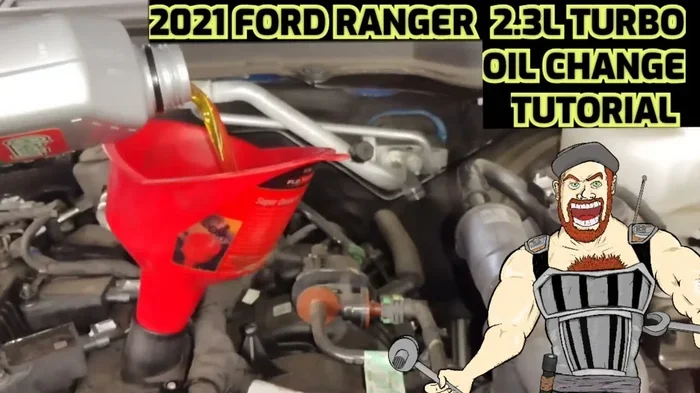
A DIY oil change is the most direct way to save. You buy the oil and filter in bulk, which often lowers the per-quart price. You also avoid labor charges entirely. The process takes about 30 minutes for most sedans. You will need to safely lift the vehicle, drain the old oil, replace the filter, and refill with fresh oil. If you are new to this, watch a few tutorial videos and gather the right tools before you start. Remember to dispose of the old oil properly at a recycling center.
Extended Intervals and Oil Life Systems
Modern cars use oil life monitoring systems that estimate when you need a change based on driving conditions. These systems can extend the interval between services, which reduces your total annual maintenance spend. However, you should not blindly trust the system. If you frequently drive in stop-and-go traffic, tow heavy loads, or operate in extreme heat, you may need to shorten the interval. Resetting the maintenance required light after each service ensures the system tracks accurately.
When to Change Your Oil and Filter
Knowing the right oil change interval is just as important as knowing the cost. Changing oil too early wastes money, while waiting too long risks engine damage. Follow the guidelines below to keep your engine healthy and your budget in check.
Mileage Intervals
Most manufacturers recommend an oil change every 5,000 to 7,500 miles for conventional oil. Synthetic oil often extends that range to 10,000 or even 15,000 miles. Check your owner’s manual for the exact specification. If you drive in severe conditions—short trips, extreme temperatures, or dusty roads—you should stick to the shorter interval. The oil and filter change cost is a small price compared to the cost of a seized engine.
Warning Signs Your Car Needs an Oil Change
Do not wait for the dashboard light if you notice other symptoms. A dark, gritty oil on the dipstick is a clear sign. A knocking or ticking noise from the engine can indicate low oil pressure. Exhaust smoke, especially blue or gray, may mean oil is burning. If the maintenance required light illuminates, schedule the service soon. Ignoring these signs can lead to increased wear and costly repairs.
Final Thoughts on Oil and Filter Change Cost
The average oil and filter change cost falls between $35 and $125 for most drivers. Your exact number depends on the oil type, filter quality, and service location. Synthetic oil costs more upfront but delivers longer intervals and better protection. Doing the job yourself is the cheapest route and a great way to learn about your vehicle. Whatever path you choose, never skip or delay this essential service. Fresh oil and a clean filter keep your engine running smoothly for years to come. Take control of your maintenance schedule today, and your car will thank you tomorrow.
Frequently Asked Questions
How much does a basic oil and filter change cost?
A basic conventional oil and filter change at a shop typically costs between $45 and $75. The price includes the oil, filter, and labor. If you do it yourself, you can spend as little as $20 to $35 on parts alone.
Is it cheaper to change oil yourself or go to a shop?
DIY oil changes are almost always cheaper because you eliminate labor charges. You only pay for the oil, filter, and any tools you already own. A shop or dealership adds labor costs that can double or triple the parts price.
How often should I change my oil and filter?
Most vehicles need an oil change every 5,000 to 7,500 miles with conventional oil. Synthetic oil can last 10,000 miles or more. Check your owner’s manual for the manufacturer’s recommended oil change interval and adjust for severe driving conditions.
Can I use 5W-30 oil in my Toyota Corolla?
Many Toyota Corolla models accept 5W-30 oil, but you should always verify with your owner’s manual. Using the wrong viscosity can affect engine performance and fuel economy. Stick to the weight the manufacturer specifies to avoid unnecessary wear.
Do dealerships give free oil changes?
Some dealerships offer free oil changes as part of a new-vehicle maintenance package or promotional event. Toyota, for example, sometimes provides free oil changes at Toyota during the first few years of ownership. Check with your local dealer for current offers.
What happens if I ignore the oil change light?
Ignoring the oil change light can lead to old, contaminated oil that loses its lubricating ability. This increases engine friction, heat, and wear. Over time, it can cause expensive damage. Reset the light after each service by following the procedure in your owner’s manual or by visiting a shop that can reset the oil change light for you.