How to Reset Cruise Control And Get It Working Again
Resetting your cruise control is easier than most drivers think. Whether your cruise control stopped working after a brake tap, a dead battery, or a system glitch, this guide walks you through the exact steps to get it back up and running. You will learn the reset process for different vehicles, common reasons it fails, and when to call a mechanic.
There is nothing more frustrating than cruising down the highway and realizing your cruise control just stopped working. You press the resume button, but nothing happens. The speed dial blinks, and your foot gets tired from holding the gas pedal. If this sounds familiar, you are not alone. Resetting cruise control is a common need, and the good news is that it is usually a quick fix you can do yourself.
This guide will show you exactly how to reset your cruise control system no matter what kind of car you drive. We will cover the simple steps, the reasons why cruise control fails, and what to do when a basic reset is not enough. By the end, you will feel confident tackling this problem on your own.
Key Takeaways
- Simple Reset: Most cruise control systems can be reset in just a few seconds using the cancel button or by turning the ignition off and on.
- Know Your Buttons: Every vehicle has a cancel, resume, and set button — knowing where they are is the first step to fixing the problem.
- Common Causes: Faulty brake light switches, blown fuses, and dead batteries are the top reasons cruise control stops working.
- Safety First: Always reset cruise control in a safe, open area and never while driving at high speeds on busy roads.
- When To Seek Help: If the basic reset does not work, there may be a deeper electrical or mechanical issue that needs professional diagnosis.
📑 Table of Contents
- What Is Cruise Control And Why Does It Stop Working
- How To Reset Cruise Control On Different Vehicles
- Common Reasons Your Cruise Control Stops Working
- Step-By-Step Cruise Control Reset Process
- When To Seek Professional Help For Cruise Control Issues
- Preventing Cruise Control Problems In The Future
- Key Takeaways
- Frequently Asked Questions
- Conclusion
What Is Cruise Control And Why Does It Stop Working
Cruise control is a convenience feature that lets your car maintain a steady speed without you pressing the gas pedal. It is a great tool for long road trips and highway driving. The system uses sensors, cables, and electronic modules to keep your vehicle at the set speed.
But like any car system, cruise control can malfunction. When it does, you lose the ability to hold a constant speed. This can make driving tiring, especially on long stretches of road. Understanding why it stops working helps you know the right way to fix it.
How Cruise Control Works
Most modern vehicles use an electronic cruise control module to manage speed. When you press the set button, the system locks in your current speed. It then adjusts the throttle to maintain that speed, even on slight hills. A cruise control cable or electronic actuator connects the system to the engine.
When you hit the brake pedal or press the cancel button, the system disengages. This is a safety feature designed to give you full control instantly. After braking, you usually need to reset cruise control by pressing resume or setting a new speed.
Why Cruise Control Fails
Several things can cause your speed control system to stop working. Here are the most common reasons:
- Brake light switch failure: The system thinks you are braking even when you are not.
- Blown fuse: A blown fuse cuts power to the cruise control module.
- Dead battery or loose connection: Low voltage can disable electronic systems.
- Faulty speed sensor: The car cannot read your speed accurately.
- Worn cruise control cable: A stretched or frayed cable prevents proper engagement.
- Computer glitch: Sometimes the system just needs a reset, similar to how disconnecting the battery reset codes on many vehicles.
Knowing which of these causes affects your car helps you choose the right fix. In many cases, a simple reset solves the problem completely.
How To Reset Cruise Control On Different Vehicles
Every car brand has a slightly different way to reset cruise control. However, the basic process is similar across most makes and models. Let us walk through the general steps that work for most vehicles.
Step 1: Cancel The Current Setting
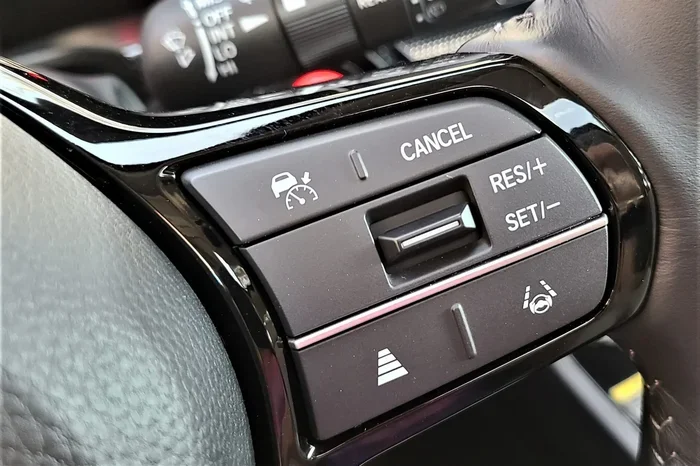
Press the cancel button on your steering wheel or dash panel. This disengages the current speed control system. If you do not see a cancel button, simply tap the brake pedal. This also turns off the system.
Step 2: Turn The Ignition Off
Turn your ignition key to the off position or press the start button to shut down the engine. Wait at least 10 seconds. This gives the car’s computer time to fully power down and clear any temporary error codes. This is similar to how resetting the check engine light without disconnecting the battery works — you are giving the system a fresh start.
Step 3: Turn The Ignition Back On
Start the engine again without pressing the gas pedal. Wait for the dashboard lights to come on and then go off. This means the computer has completed its self-check. Your cruise control system should now be ready to set again.
Step 4: Set A New Speed
Press the set button at your desired speed. The cruise control indicator should light up on your dashboard. Try pressing the resume button to see if the system engages properly. If it does, your reset was successful.
Reset For Specific Vehicle Brands
Some vehicles need a slightly different approach. Here are a few brand-specific tips:
- Toyota and Lexus: Press the cancel button, then turn the ignition off for 15 seconds before restarting.
- Ford and Lincoln: Use the steering wheel controls to cancel, then cycle the ignition off and on twice.
- Chevrolet and GMC: Press the set-cancel button, turn the key off, wait 20 seconds, and restart.
- Honda and Acura: Hold the cancel button for 3 seconds, turn off the ignition, wait 10 seconds, and restart.
If these steps do not work, there may be a deeper issue. Move on to the next section for more troubleshooting tips.
Common Reasons Your Cruise Control Stops Working
A reset does not always fix the problem. Sometimes there is an underlying issue causing the cruise control to fail repeatedly. Let us look at the most common culprits.
Brake Light Switch Problems
The brake light switch is a small sensor near your brake pedal. It tells the car when you are pressing the brake. When this switch goes bad, the car thinks you are always braking. This prevents the cruise control from engaging. Replacing a brake light switch is usually inexpensive and straightforward.
Blown Fuses
Every car has a fuse box that protects its electrical systems. A blown fuse can cut power to the cruise control module. Check your owner manual to find the fuse box location and the specific fuse for cruise control. Replacing a fuse is one of the easiest and cheapest fixes you can do at home.
Dead Or Weak Battery
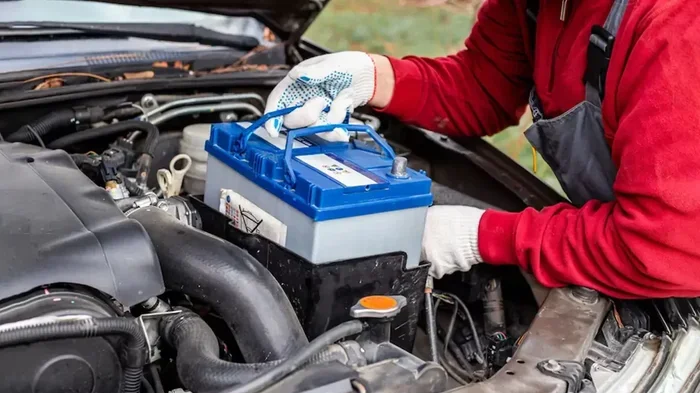
A low battery voltage can cause all sorts of electronic problems. Your speed control system needs a steady power supply to work correctly. If your battery is old or weak, it might not provide enough voltage. This is especially common after a jump start or when a battery has been sitting for a long time. If you have ever reset the light after an oil change and it did not hold, a weak battery might be the reason.
Faulty Speed Sensor
Your car uses a speed sensor to read how fast the wheels are turning. The cruise control system relies on this data to maintain your set speed. If the sensor is dirty or damaged, the system cannot function properly. A mechanic can test the sensor and replace it if needed.
Worn Cruise Control Cable
Older vehicles use a physical cable to connect the cruise control system to the throttle. Over time, this cable can stretch, fray, or break. When this happens, the system cannot adjust your speed. Replacing the cable restores proper function.
Step-By-Step Cruise Control Reset Process
Let us put it all together with a clear, step-by-step process you can follow right now. This guide works for most passenger vehicles.
- Find a safe, open road or parking lot where you can test the system.
- Press the cancel button or tap the brake pedal to disengage the current setting.
- Turn the ignition off and wait 10 to 15 seconds.
- Turn the ignition back on and let the engine idle for a few seconds.
- Check the dashboard for any warning lights. If the check engine light is on, you may need to address that first.
- Press the set button at your desired speed.
- Press the resume button to confirm the system is engaged.
- Test the system by lightly tapping the gas pedal. The car should maintain speed.
If the system still does not work after these steps, do not keep pressing buttons. Repeated attempts can confuse the computer further. Move to the troubleshooting section below.
Quick Tips For A Successful Reset
- Make sure your foot is off the brake pedal before pressing the set button.
- Check that all doors are closed, as some systems will not engage if a door is open.
- Ensure the seatbelt is fastened, since some vehicles link cruise control to seatbelt sensors.
- Try resetting the system after the car has been driven for a few minutes, as the computer needs to be warmed up.
When To Seek Professional Help For Cruise Control Issues
Most of the time, resetting your cruise control solves the problem. But sometimes the issue goes deeper than a simple reset. Here are signs that you need a professional mechanic.
Warning Signs You Should Not Ignore
- The cruise control light stays on even after a reset.
- The system engages but then suddenly cuts out without warning.
- You hear clicking or grinding noises when trying to set cruise control.
- Other electronic systems are also malfunctioning, like your dashboard lights or power windows.
- The brake lights stay on even when you are not pressing the pedal.
These symptoms suggest a more serious electrical or mechanical problem. A certified mechanic can run diagnostic tests to pinpoint the exact cause. They can check the cruise control module, test the wiring, and inspect the brake light switch. Trying to fix these issues yourself can be dangerous and may void your warranty.
Cost Of Repair
The good news is that most cruise control repairs are affordable. A brake light switch replacement typically costs between 50 and 150 dollars. A fuse replacement costs just a few dollars. More complex repairs, like replacing the cruise control module, can run from 200 to 600 dollars depending on your vehicle. Regular maintenance and prompt attention to warning signs keep costs low.
Preventing Cruise Control Problems In The Future
The best way to deal with cruise control issues is to prevent them from happening in the first place. A little regular care goes a long way toward keeping your speed control system working smoothly.
Regular Maintenance Tips
- Check your fuses during routine oil changes or maintenance visits.
- Keep your battery terminals clean and tight to ensure a steady electrical connection.
- Replace old batteries before they die completely, especially if you notice electrical issues.
- Inspect the brake light switch if you notice your brake lights are dim or delayed.
- Listen for unusual sounds when engaging cruise control and address them early.
Taking care of your car’s electrical system also helps other features work better. For example, keeping your battery healthy ensures that systems like your dashboard warning lights and electronic controls stay reliable. Think of it the same way you would reset the light after an oil change — small habits prevent bigger problems down the road.
How Often Should You Check Your Cruise Control System
There is no set schedule for cruise control inspections. However, having a mechanic check the system during your regular service appointments is a smart move. If you notice any hesitation or failure when setting cruise control, do not ignore it. Early detection saves time, money, and frustration.
Also, keep your vehicle’s software up to date. Many newer cars have software updates that address cruise control bugs and improve system performance. Check with your dealer or mechanic about available updates for your specific model.
Key Takeaways
- Simple Reset Works Most Times: Cancel the setting, turn off the ignition, wait, and restart to reset cruise control.
- Know Your Buttons: Familiarize yourself with the cancel, set, resume, and off buttons on your steering wheel.
- Common Culprits Include Fuses, Switches, And Batteries: These are the most frequent causes of cruise control failure.
- Safety Comes First: Always perform a reset in a safe location and never while driving in heavy traffic.
- Professional Help Is Available: If the reset does not work, a mechanic can diagnose deeper electrical or mechanical issues.
- Prevention Is Easy: Regular maintenance keeps your speed control system in great shape for years.
Frequently Asked Questions
Why does my cruise control keep turning off by itself?
This is usually caused by a faulty brake light switch or a weak battery. The system thinks you are pressing the brake, so it disengages automatically. Check your brake lights first, and if they seem fine, have a mechanic test the brake light switch and battery voltage.
Can I drive with my cruise control not working?
Yes, you can still drive safely without cruise control. Simply use the gas pedal to maintain your speed. However, if you frequently drive on long highways, a working cruise control reduces fatigue. Get it fixed when you have time.
How do I know if my cruise control fuse is blown?
Check your fuse box and look for the fuse labeled cruise control or speed control. A blown fuse will have a broken metal strip inside. Replace it with a fuse of the same amperage. If the new fuse blows quickly, there is a deeper electrical problem that needs professional attention.
Does resetting the battery affect cruise control settings?
Yes, disconnecting or resetting your battery can clear stored settings in the car’s computer. This includes cruise control presets and adaptive settings. After a battery reset, you will need to set your cruise control again. This is similar to how disconnecting the battery reset codes and clears stored error codes in the system.
Can cold weather affect cruise control performance?
Extreme cold can affect electrical connections and sensor performance. Your cruise control may behave erratically in very cold conditions. Usually, the problem resolves once the car warms up. If it persists, the issue may be unrelated to temperature and needs further diagnosis.
Is it safe to reset cruise control while driving?
No, you should never reset cruise control while actively driving in traffic. Pull over to a safe, open area or parking lot before performing any reset steps. Always keep your hands on the wheel and your eyes on the road. Safety should always come before any car maintenance task.
Conclusion
Knowing how to reset cruise control saves you time, money, and frustration. Most of the time, a simple reset following the steps in this guide gets your system working again in minutes. You learned how to cancel the current setting, power down the system, and restart fresh. You also discovered the common reasons why cruise control fails and when to seek professional help.
Keep up with regular maintenance to prevent future issues. Check your fuses, battery, and brake light switch as part of your routine car care. These small habits keep every system in your vehicle running smoothly, including your speed control system.
If you ever feel unsure or the problem keeps coming back, do not hesitate to visit a trusted mechanic. They have the tools and expertise to diagnose complex issues safely. Your cruise control is there to make driving easier and more comfortable. With the right care and attention, it will keep working reliably for many miles to come.