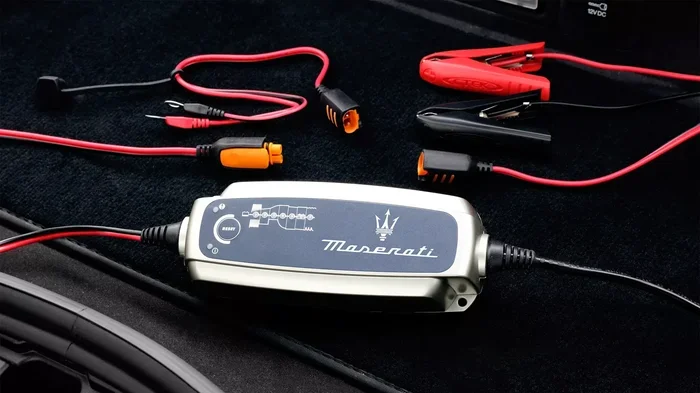
How to Use a Maserati Battery Charger for Best Results
Using a Maserati battery charger correctly is essential for keeping your luxury car running at its best. This guide walks you through every step, from choosing the right charger to maintaining your battery over time. You will learn proper connection techniques, charging settings, and common mistakes to avoid for long-lasting battery health.
Owning a Maserati is a thrilling experience. The sleek design, the powerful engine, and the luxury feel all come together to create something truly special. But like any high-performance vehicle, your Maserati depends on a healthy battery to start, run, and keep all those electronic systems working smoothly.
Maybe your Maserati has been sitting in the garage for a few weeks. Or perhaps you noticed the engine turning over a bit slower than usual. Whatever the reason, knowing how to use a Maserati battery charger properly can save you time, money, and a lot of frustration. This guide gives you everything you need to charge your battery safely and keep it in top shape for years to come.
A battery charger is not just a device you plug in and forget about. Using it the wrong way can lead to poor charging, shortened battery life, or even damage to your vehicle’s electrical system. That is why we put together this detailed, step-by-step guide. By the end, you will feel confident handling your charger like a pro.
Key Takeaways
- Choose the right charger: A smart or trickle charger matched to your Maserati’s battery type ensures safe and effective charging.
- Follow the connection order: Always connect positive first and negative last to prevent sparks and damage.
- Monitor the charging cycle: Never leave a charger unattended for too long, and use a voltage meter to track progress.
- Practice corrosion prevention: Clean battery terminals before charging to maintain a strong electrical connection.
- Store your battery properly: Use a battery maintainer during long periods of inactivity to prevent discharge and battery damage.
- Know when to seek help: If your battery keeps dying or shows warning signs, consult a professional to avoid costly repairs.
📑 Table of Contents
- Understanding Your Maserati Battery
- Choosing the Right Battery Charger for Your Maserati
- Step-by-Step Guide to Charging Your Maserati Battery
- Common Mistakes to Avoid When Charging Your Maserati Battery
- Tips for Long-Term Battery Health and Maintenance
- When to Replace Your Maserati Battery Instead of Charging
- Final Thoughts on Using a Maserati Battery Charger
Understanding Your Maserati Battery
Before you connect any charger, it helps to understand what you are working with. Maserati vehicles use standard lead-acid batteries or, in some newer models, advanced battery systems with sensitive electronics. Knowing the type of battery your car uses is the first step toward charging it correctly.
Battery Types in Maserati Vehicles
Most Maserati models come equipped with a traditional 12-volt lead-acid battery. These batteries use lead plates and sulfuric acid to store and release energy. They are reliable and widely supported, but they do need regular care to stay in good condition.
Some newer Maserati models may feature stop-start battery technology or absorbed glass mat (AGM) batteries. These batteries handle charge cycles differently than standard lead-acid batteries. They are more sensitive to overcharging, which means you need to be extra careful with your charger settings.
You can find your battery type on the label on the battery itself. Look for markings like “AGM,” “EFB,” or “Lead-Acid.” If you are unsure, check your owner’s manual or ask your dealer. Using the wrong charging mode can void your battery warranty and shorten the life of your battery.
Why Batteries Lose Charge
Batteries lose charge for several reasons. Long periods of inactivity are the most common culprit. If your Maserati sits unused for weeks or months, the battery slowly drains. Extreme temperatures, both hot and cold, also take a toll on battery health.
Other factors include leaving lights or accessories on, a faulty alternator, or corrosion on the battery terminals. Corrosion creates resistance and prevents the battery from charging fully. This is why cleaning your terminals before every charging session is so important.
Choosing the Right Battery Charger for Your Maserati
Not all battery chargers are the same. Picking the right one for your Maserati makes a big difference in charging speed, safety, and battery longevity.
Types of Chargers
There are several types of battery chargers on the market. Each one serves a different purpose and works best in certain situations.
- Trickle Chargers: These deliver a low, steady charge over a long period. They are great for maintaining a battery that sits unused for weeks. A trickle charger is perfect for seasonal Maserati owners who only drive their car on weekends.
- Smart Chargers: Also called automatic chargers, these adjust the charging rate based on the battery’s condition. They are the safest option because they prevent overcharging. Most Maserati owners will benefit from a quality smart charger.
- Jump Starters: Portable jump starters deliver a quick burst of power to start your engine. They are useful in emergencies but are not designed for long charging sessions.
- Battery Maintainers: These are similar to trickle chargers but are more advanced. They monitor the battery and switch to a maintenance mode once the battery is full. They are ideal for long-term storage.
What to Look for in a Charger
When shopping for a charger, look for these key features. First, make sure the charger is compatible with your battery type. If you have an AGM battery, choose a charger with an AGM charging mode. Second, check the amperage. A lower amperage charger (around 2 to 4 amps) is safer for long charging sessions. Third, look for safety features like overcharge protection, reverse polarity protection, and short-circuit protection.
Avoid cheap, no-name chargers. They often lack proper safety circuits and can damage your battery or your Maserati’s electrical system. Investing in a quality charger from a trusted brand is always worth it.
Step-by-Step Guide to Charging Your Maserati Battery
Now that you have the right charger, let us walk through the charging process step by step. Following these steps carefully will keep you and your vehicle safe.
Step 1: Prepare the Battery and Vehicle
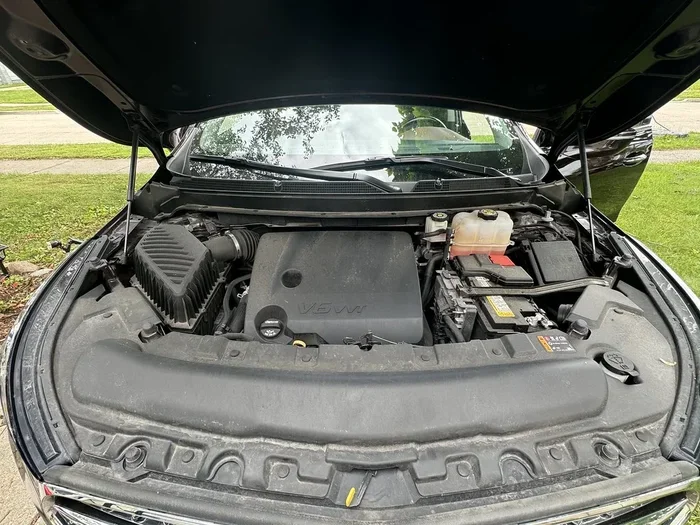
Start by parking your Maserati on a flat, level surface. Turn off the engine and remove the key from the ignition. Open the hood and locate the battery. Most Maserati models have the battery in the front engine bay, but some models may have it in the trunk.
Put on safety gloves and safety glasses. Battery acid and sparks can cause injuries. Inspect the battery for any visible damage, cracks, or leaks. If you notice any of these signs, do not attempt to charge the battery. Instead, have it replaced by a professional.
Step 2: Clean the Battery Terminals
Before connecting the charger, check the battery terminals. Look for white, blue, or greenish buildup. This is corrosion, and it prevents a good electrical connection.
Use a battery terminal cleaner or a mixture of baking soda and water to clean the terminals. Gently scrub with a wire brush or terminal cleaning tool until the metal shines through. Wipe away any residue with a clean cloth. This simple step ensures your charger delivers power efficiently.
Step 3: Connect the Charger
Now it is time to connect the charger. Follow this order carefully to avoid sparks or damage.
- Connect the red clamp to the positive terminal (+). The positive terminal is usually marked with a plus sign and often has a red cover.
- Connect the black clamp to the negative terminal (−). The negative terminal is marked with a minus sign and usually has a black cover.
- Never connect the black clamp to the battery terminal first. This can create sparks near the battery, which may ignite hydrogen gas.
If your Maserati has a dedicated grounding point on the chassis, you can connect the black clamp there instead. This is an even safer option. Check your owner’s manual for the recommended grounding location.
Step 4: Set the Charger Correctly
Once the clamps are connected, set your charger to the correct mode. If you have a smart charger, it will often detect the battery type automatically. For manual chargers, select the appropriate voltage (12 volts for most Maserati batteries) and the correct battery type.
Set the amperage to a low or medium setting for a slow, safe charge. A 2-amp setting is ideal for overnight charging. Higher amperage charges the battery faster but increases the risk of overheating and damage.
Step 5: Start Charging and Monitor Progress
Turn on the charger and let it do its work. It is a good idea to check on the charger periodically. Most smart chargers have indicator lights that show the charging status. A red light typically means charging is in progress, and a green light means the battery is full.
Use a voltage meter to check the battery voltage every hour or so. A healthy, fully charged battery should read around 12.6 volts. If the voltage is below 12.0 volts, the battery may be deeply discharged and could need more time or professional attention.
Never leave a charger running unattended for extended periods. Even smart chargers can malfunction, and an overcharged battery can leak or even explode in extreme cases.
Step 6: Disconnect the Charger Safely
Once the battery is fully charged, turn off the charger first. Then disconnect the clamps in the reverse order. Remove the black clamp from the negative terminal first, then the red clamp from the positive terminal. This order prevents sparks near the battery.
After disconnecting, start your Maserati and let it run for a few minutes. The alternator will recharge the battery further and confirm that everything is working properly.
Common Mistakes to Avoid When Charging Your Maserati Battery
Even with the best intentions, people make mistakes when charging their batteries. Here are the most common errors and how to avoid them.
Using the Wrong Charger Mode
One of the biggest mistakes is using the wrong charging mode. Charging an AGM battery with a standard lead-acid mode can overcharge it and reduce its lifespan. Always match your charger settings to your battery type. If your charger does not have a specific AGM or lithium mode, use the standard setting with extra caution.
Connecting Clamps in the Wrong Order
Connecting the negative clamp first or disconnecting the positive clamp first can create sparks near the battery. Hydrogen gas from the charging process is flammable. Always follow the correct order: positive first when connecting, negative first when disconnecting.
Overcharging the Battery
Leaving a charger connected for too long can overcharge the battery. Overcharging causes the electrolyte to heat up, leading to water loss and internal damage. Use a smart charger with automatic shutoff, or set a timer to remind yourself to check the battery.
Ignoring Corrosion and Dirt
Charging through corroded or dirty terminals reduces charging efficiency and can cause uneven charging. Always clean the terminals before every charging session. This small step makes a big difference in battery performance and battery health.
Charging a Frozen Battery
Never try to charge a frozen battery. If the battery has been exposed to extreme cold and the electrolyte has frozen, charging it can cause the battery case to crack or explode. Let the battery warm up to room temperature first, then inspect it before charging.
Tips for Long-Term Battery Health and Maintenance
Charging your battery correctly is only part of the equation. Regular maintenance keeps your Maserati battery performing at its best and extends its lifespan significantly.
Drive Your Maserati Regularly
The alternator charges your battery while you drive. If your Maserati sits idle for long periods, the battery will slowly discharge. Try to drive your car at least once a week for 20 to 30 minutes. This keeps the battery topped off and the electrical systems functioning properly.
If you cannot drive regularly, use a battery maintainer or trickle charger. These devices keep the battery at the optimal charge level without overcharging. They are a great investment for seasonal drivers or anyone who stores their Maserati for extended periods.
Check the Battery Voltage Regularly
Get into the habit of checking your battery voltage with a multimeter once a month. A reading of 12.6 volts or higher means the battery is fully charged. A reading below 12.4 volts means the battery needs charging soon. A reading below 12.0 volts indicates a deeply discharged battery that may need replacement.
If you are unsure how to use a multimeter, you can test a car battery with a multimeter easily. Many auto parts stores also offer free battery testing if you prefer professional help.
Protect the Battery from Extreme Temperatures
Extreme heat and cold both harm your battery. In hot weather, the electrolyte can evaporate, damaging the internal plates. In cold weather, the battery’s ability to deliver power drops significantly. If you live in an area with harsh winters, consider using a battery blanket or insulated cover during the coldest months.
Watch for Warning Signs
Your Maserati gives you signs when the battery is failing. A slow engine crank, dim headlights, or warning lights on the dashboard are all indicators. If you notice the wrench light or other warning indicators, do not ignore them. A bad battery cause the wrench light to come on in many vehicles, and addressing it early can prevent bigger problems down the road.
Also, keep in mind that a failing battery can sometimes affect other systems. For example, if you have a hybrid or electric Maserati model, a weak battery can impact regenerative braking and power delivery. Staying on top of battery maintenance protects your entire vehicle.
When to Replace Your Maserati Battery Instead of Charging
Sometimes charging is not enough. If your battery is old, damaged, or deeply discharged beyond recovery, replacement is the better option. Most Maserati batteries last between three and five years with proper care.
Signs that your battery needs replacement include repeated failure to hold a charge, visible swelling or bloating of the battery case, and frequent jump-starts. If you have to charge a dead car battery more than twice a month, the battery is likely reaching the end of its life.
When replacing your battery, always choose one that matches the specifications in your owner’s manual. The right group size, cold cranking amps (CCA) rating, and terminal placement are all critical for proper fit and performance. Consider having a certified Maserati technician install the new battery to ensure proper connection and programming.
Remember that a car battery die while driving can leave you stranded in an unsafe location. Proactive replacement before complete failure is always the smarter choice.
Final Thoughts on Using a Maserati Battery Charger
Taking care of your Maserati battery does not have to be complicated. With the right charger, the right technique, and a little regular attention, you can keep your battery strong and reliable for years. The key is to be consistent, follow safety steps, and never ignore warning signs.
Whether you are a first-time Maserati owner or a seasoned enthusiast, understanding how to charge and maintain your battery is an essential part of car ownership. It saves you from unexpected breakdowns, extends the life of your vehicle, and keeps your Maserati performing at the level you expect from such a remarkable machine.
Start by choosing the right charger for your battery type. Follow the connection and disconnection steps carefully. Monitor your charging sessions. And make battery maintenance a regular part of your Maserati care routine. Your car will reward you with reliable starts, smooth performance, and the luxury driving experience you love.
Stay proactive, stay informed, and your Maserati battery will keep you on the road with confidence and style.
Frequently Asked Questions
How long does it take to charge a Maserati battery with a standard charger?
A standard charger with 2 to 4 amps typically takes 8 to 12 hours to fully charge a depleted Maserati battery. Smart chargers with lower amperage may take longer but are safer for the battery. Always check the charger instructions for estimated charging times based on your battery size.
Can I use any battery charger on my Maserati, or do I need a specific one?
You should use a charger that matches your battery type. If your Maserati has an AGM battery, select a charger with an AGM charging mode. Using the wrong mode can damage the battery and void your warranty. Check your owner’s manual for battery specifications before purchasing a charger.
Is it safe to leave a battery charger on overnight?
It is safe to leave a smart charger on overnight because these chargers automatically shut off or switch to maintenance mode when the battery is full. However, traditional manual chargers should never be left unattended. Always monitor your charging session and never exceed the recommended charging time.
What should I do if my Maserati battery keeps dying?
A battery that keeps dying may indicate a deeper problem such as a faulty alternator, a parasitic draw, or an old battery that needs replacement. Have a professional inspect your charging system and electrical components. If the battery is more than four years old, replacement is often the most practical solution.
Can cold weather affect how well my Maserati battery charges?
Yes, cold weather significantly affects battery performance. In low temperatures, the chemical reactions inside the battery slow down, making it harder to charge and deliver power. If you live in a cold climate, consider using a battery maintainer during winter months and parking your Maserati in a garage when possible.
How can I tell if my Maserati battery needs to be replaced rather than recharged?
If your battery is over four years old, requires frequent recharging, shows visible swelling, or fails to hold a charge after a full charging session, it is time for a replacement. You can also have a professional test the battery’s load capacity. A battery that cannot hold a proper voltage under load needs to be replaced.