Is It Hard to Replace Windshield Wipers Simple Guide
Replacing windshield wipers is one of the easiest car maintenance tasks you can do at home. Most drivers can finish the job in under 15 minutes with no special tools. Our simple guide walks you through every step, from picking the right size to installing your new blades like a pro.
Key Takeaways
- Replacing windshield wipers is simple: Most people complete the job in 10 to 15 minutes without any tools.
- Know your wiper type: Beam blade, conventional, and winter wipers each have different installation methods.
- Pick the right size: Using the correct wiper blade size ensures streak-free visibility and prevents windshield damage.
- Replace wipers every 6 to 12 months: Worn blades cause streaks, squeaking, and reduced visibility in rain or snow.
- Avoid common mistakes: Lifting the wiper arm too fast or using the wrong connector are the top errors drivers make.
- You can do it yourself: No dealership or mechanic is needed for a standard wiper replacement.
📑 Table of Contents
- Is It Hard to Replace Windshield Wipers? Here Is the Truth
- Why Windshield Wipers Wear Out
- How to Replace Windshield Wipers Step by Step
- Types of Windshield Wipers Explained
- Common Mistakes When Replacing Windshield Wipers
- How Often Should You Replace Your Windshield Wipers
- When to Call a Professional
- Final Thoughts on Replacing Windshield Wipers
Is It Hard to Replace Windshield Wipers? Here Is the Truth
Let us get one thing straight right away. Replacing windshield wipers is not hard. In fact, it is one of the simplest maintenance jobs you will ever do on your car. You do not need a mechanic. You do not need a garage. And in most cases, you do not even need a tool. Many drivers complete the entire process in less than 15 minutes.
Maybe you have been putting it off because the task sounds intimidating. Or perhaps you have watched someone struggle with a stubborn wiper blade and decided it was not worth the effort. Whatever the reason, this guide will change your mind. We will walk you through every single step so you can replace your wipers with total confidence.
Clear visibility matters. Period. When your wipers are worn out, they leave streaks, smear rain, and create blind spots on your windshield. That is a serious safety risk. The good news is that fixing this problem takes almost no time and costs very little. Let us dive into everything you need to know about replacing your windshield wipers the right way.
If you have ever wondered, do you need a tool to change windshield wipers, the short answer is usually no. Most modern vehicles use a quick-release connector system. You pop off the old blade and snap the new one on. It really is that simple. That said, knowing a few key details beforehand makes the process even smoother.
Why Windshield Wipers Wear Out
Windshield wipers take a beating. Every time you use them, the rubber blade rubs against your glass. Over time, this friction breaks down the rubber. Heat, cold, sunlight, and road debris all speed up the process. Understanding why wipers wear out helps you appreciate the importance of regular replacement.
The Science Behind Wiper Wear
Wiper blades are made of rubber or synthetic rubber compounds. These materials are designed to be flexible and soft so they glide across glass without scratching. But flexibility comes at a cost. Exposure to UV rays from the sun dries out the rubber. Cold temperatures make it brittle. Hot temperatures cause it to warp. After months of use, the blade loses its shape and cannot maintain proper contact with the windshield.
Here are the most common signs your wipers are worn out:
- Streaks and smears across the windshield after wiping
- Squeaking or chattering sounds during operation
- Skipping or bouncing across the glass surface
- Visible cracks or tears in the rubber blade
- Reduced visibility during rain or snow
If you notice any of these signs, it is time to replace your wipers. Do not wait until you cannot see clearly in a downpour. Waiting too long can also damage your windshield if a worn blade digs into the glass.
How to Replace Windshield Wipers Step by Step
This is the part you have been waiting for. Replacing windshield wipers does not require any special skills or expensive equipment. Follow these steps and you will be done before your coffee gets cold.
Step 1: Find the Right Wiper Size
Not all wipers are the same size. Most cars have different lengths for the driver and passenger sides. Some vehicles also have a rear wiper that needs its own blade. Check your owner manual for the correct sizes. You can also measure the old blade or look up your vehicle on an auto parts website.
Here is a quick tip. Can you go up a size in windshield wipers if the exact size is unavailable? In most cases, yes. Going one size up or down usually works fine. However, always check your vehicle specifications first. A blade that is too long can hit the windshield frame and cause damage.
Step 2: Choose the Right Wiper Type
There are three main types of wiper blades on the market today. Each has its own advantages and installation method.
- Conventional wipers: The traditional design with a metal frame and rubber blade. Easy to install and very affordable.
- Beam blade wipers: A sleek, frameless design that provides even pressure across the windshield. They look modern and perform well in all conditions.
- Winter wipers: Designed with a protective cover to prevent ice buildup. Great for cold climates and snowy conditions.
Step 3: Remove the Old Wiper Blade
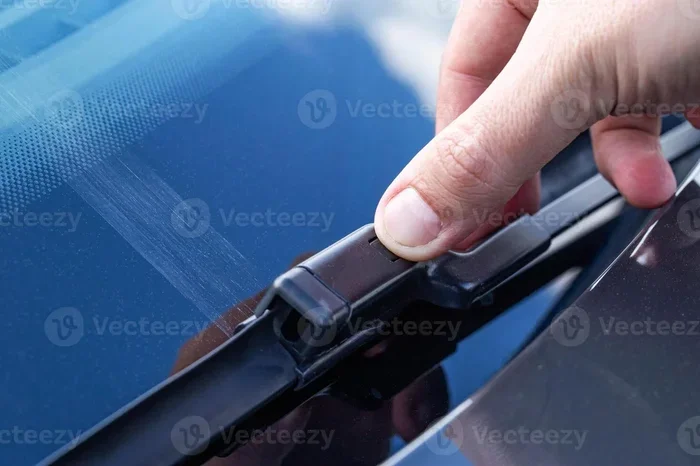
Lift the wiper arm away from the windshield. You will see a small tab or button where the blade connects to the arm. Press or slide the tab while gently pulling the blade downward. The old blade should slide right off. Be careful not to let the wiper arm snap back onto the windshield. That can crack the glass.
If you are worried about this, place a folded towel between the wiper arm and the windshield as a cushion. This is a simple trick that saves a lot of headaches.
Step 4: Install the New Wiper Blade
Take the new blade out of its packaging. Align the connector with the wiper arm and push it firmly into place until you hear a click. Make sure it is securely attached. Give it a gentle tug to confirm it will not come loose.
Repeat the same process for the other wiper. Do not mix up the sizes. The driver and passenger sides are often different lengths.
Step 5: Test the New Wipers
Lower the wiper arms back onto the windshield. Turn on your wipers and spray some wiper fluid. Watch for any streaks or skipping. The new blades should glide smoothly and leave the glass crystal clear. If you notice any issues, double-check that the blade is fully seated on the arm.
One more thing. Do you need a tool to change windshield wipers for your specific car? In the vast majority of cases, the answer is no. But if you drive an older vehicle or a model with a unique connector, a small flathead screwdriver might help. Check the guide on Do You Need A Tool To Change Windshield Wipers for more details.
Types of Windshield Wipers Explained
Choosing the right wiper blade can feel overwhelming when you walk into an auto parts store. There are so many options on the shelf. Let us break them down so you can make a confident choice.
Conventional Wipers
Conventional wipers are the most common type. They feature a metal frame that holds the rubber blade in place. These wipers are affordable and widely available. They work well for everyday driving in mild conditions. The downside is that the metal frame can collect ice and debris, which reduces performance in winter weather.
Beam Blade Wipers
Beam blades have become increasingly popular in recent years. They have a sleek, frameless design that uses tension to maintain even contact with the windshield. This means fewer streaks and better performance. Beam wipers also resist ice buildup better than conventional wipers. They may cost a bit more, but most drivers agree the improvement is worth it.
Winter Wipers
If you live in a cold climate, winter wipers are a smart investment. They come with a protective boot or cover that shields the rubber from ice and snow. This prevents the blade from freezing to the windshield. Winter wipers are especially helpful if you park outside and do not have access to a garage. Just remember to switch back to all-season wipers in warmer months. Winter blades wear out faster on dry pavement.
Rear Wipers
Many SUVs, hatchbacks, and vans have a rear wiper on the back window. These are smaller and often use a different connector than the front wipers. Make sure you buy the correct rear wiper size. It is an easy detail to overlook, and installing the wrong blade can lead to poor performance.
Common Mistakes When Replacing Windshield Wipers
Even though replacing wipers is simple, mistakes do happen. Here are the most common errors and how to avoid them.
Mistake 1: Buying the Wrong Size
This is the number one mistake drivers make. Wiper blades that are too long or too short will not clean your windshield properly. Always double-check the size before you buy. Your owner manual is the best source, but you can also look up your vehicle online or ask an associate at the auto parts store.
Mistake 2: Forcing the Connector
Every wiper arm has a specific connector type. If the new blade does not slide on easily, do not force it. You may be using the wrong connector style. Some vehicles use a J-hook system, while others use a bayonet mount or a push-button connector. Matching the connector is essential for a secure fit.
Mistake 3: Letting the Wiper Arm Snap Back
When you remove the old blade, the wiper arm is under tension. If you let it go, it can slam onto the windshield and crack the glass. Always hold the arm gently or place a towel between the arm and the glass. This one simple precaution can save you from an expensive repair.
Mistake 4: Forgetting to Test the New Blades
Once you install the new wipers, always test them before you need them in a rainstorm. Spray wiper fluid and run the wipers for a few cycles. This confirms they are working correctly and properly seated on the arm.
How Often Should You Replace Your Windshield Wipers
The general recommendation is to replace your windshield wipers every 6 to 12 months. However, this can vary based on several factors. If you drive frequently, live in a harsh climate, or park your car outside, you may need to replace them more often.
Here are some guidelines to help you decide:
- Every 6 months: Ideal for drivers in hot, sunny climates or those who use their wipers daily
- Every 9 months: A good middle ground for most drivers
- Every 12 months: Works for drivers in mild climates with light wiper use
A good rule of thumb. If you notice any streaking, squeaking, or skipping, replace your wipers immediately. Do not wait for the next scheduled change. Your safety on the road depends on clear visibility.
While you are at it, consider replacing your wiper fluid too. Clean fluid helps the blades perform better and lasts longer. Also, keeping your windshield clean reduces the buildup of grime that can wear down the rubber prematurely.
When to Call a Professional
Most people can replace windshield wipers on their own without any issues. But there are situations where calling a professional makes sense. If your wiper arms are damaged or stuck, a mechanic can help. If you are unsure about the correct blade size or connector type, a dealership or service center can assist you.
Some drivers prefer the convenience of having a professional handle all maintenance tasks. That is perfectly fine. The cost of professional wiper replacement is usually very low, often under $20 for parts and labor. And if you are concerned about damage to your windshield during the process, remember that does car insurance cover windshield replacement? In many cases, yes. Check your policy or speak with your provider to find out.
If you have a newer vehicle with advanced wiper systems, such as those found on Tacoma models or other trucks with complex wiper setups, a professional may save you time and frustration. There is no shame in asking for help. The goal is always clear, safe visibility.
For related car maintenance tips, you might also enjoy learning about replacing just one headlight on your own. Many simple car tasks are easier than people think, and doing them yourself saves both time and money.
Final Thoughts on Replacing Windshield Wipers
So, is it hard to replace windshield wipers? The answer is a clear no. Replacing windshield wipers is one of the easiest and most affordable maintenance tasks you can do. With the right size blades and a few minutes of your time, you can have clear visibility and a safer drive. No mechanic required. No special tools needed. Just a simple swap that makes a big difference.
Make it a habit to check your wipers regularly. Replace them at least once a year. Keep your windshield clean and your wiper fluid topped off. These small actions add up to a safer, smoother driving experience every time you hit the road.
Now that you know how easy it is, there is no reason to put it off. Grab the right blades, follow the steps in this guide, and enjoy a streak-free view through your windshield. Your future self, driving safely in the next rainstorm, will thank you.
Frequently Asked Questions
How long does it take to replace windshield wipers?
Most drivers complete the entire process in 5 to 15 minutes. It is one of the fastest car maintenance tasks you can do. Once you have done it a couple of times, you will be even faster.
Can I replace just one windshield wiper blade?
Yes, you can replace just one wiper if the other is still in good condition. However, it is generally recommended to replace both blades at the same time. This ensures even performance and clear visibility across the entire windshield.
Do I need any special tools to change my windshield wipers?
In most cases, no. Modern wiper blades use a quick-release connector system that requires no tools at all. If you have an older vehicle with a unique connector, a small flathead screwdriver might help. Check the guide on Do You Need A Tool To Change Windshield Wipers for more details.
How much does it cost to replace windshield wipers?
A pair of windshield wiper blades typically costs between $15 and $40, depending on the brand and type. Beam blades and premium winter wipers may cost a bit more. Overall, it is one of the cheapest and most impactful maintenance jobs you can do for your car.
What happens if I drive with bad windshield wipers?
Driving with worn wipers reduces your visibility in rain, snow, and even bright sunlight. Streaks and smears create dangerous blind spots. Over time, a bad blade can also scratch your windshield, leading to costly repairs. Replace your wipers as soon as you notice any performance issues.
Can I use the same windshield wipers year-round?
Yes, all-season wipers work well in most climates throughout the year. However, if you live in an area with harsh winters, switching to dedicated winter wipers during the cold months can improve performance and prevent ice buildup. Switch back to all-season blades when the weather warms up.