What Color Antifreeze Should You Use in a Dodge Ram
Dodge Rams typically require HOAT (Hybrid Organic Acid Technology) coolant, which comes in orange or yellow shades depending on the model year and engine type. Using the wrong coolant color can lead to overheating, corrosion, and costly engine damage, so always check your owner’s manual before topping off. This guide breaks down exactly which antifreeze color and type your Dodge Ram needs to keep your engine running cool and protected for years to come.
What color antifreeze does a Dodge Ram use? This is one of the most common questions truck owners ask at the parts store. Choosing the wrong coolant can lead to serious engine damage, overheating, and costly repairs. Whether you own a Dodge Ram 1500, a 2500, or a 3500, knowing the correct antifreeze color and coolant type is essential for keeping your truck in top shape.
In this guide, I will walk you through everything you need to know about Dodge Ram antifreeze. We will cover the right coolant color, which formulas work best, how to check your levels, and simple tips to avoid common mistakes. By the end, you will feel confident picking the right coolant for your Dodge Ram without any guesswork.
The cooling system in your Dodge Ram works hard. It keeps your engine from freezing in winter and overheating in summer. Using the correct engine coolant ensures your truck runs smoothly all year long. Let us dive into the details so you can protect your investment.
Key Takeaways
- Use orange or amber HOAT antifreeze: this is the standard coolant for most Dodge Ram models.
- Never mix different coolant colors or types: mixing can cause dangerous chemical reactions and damage.
- Check your owner’s manual first: specific model years may require different coolant formulations.
- Antifreeze color signals the chemical formula: it does not just indicate appearance or branding.
- Wrong coolant risks serious engine damage: always use the correct specification for your Ram.
- Flush and replace coolant on schedule: follow recommended maintenance intervals from your owner’s manual.
📑 Table of Contents
- Understanding Antifreeze Colors and What They Mean
- Dodge Ram Antifreeze Color Specifications by Model Year
- Types of Coolant Compatible with Dodge Ram
- How to Check and Change Your Dodge Ram’s Antifreeze
- Common Mistakes to Avoid When Choosing Antifreeze
- Tips for Maintaining Your Dodge Ram’s Cooling System
- Key Takeaways for Dodge Ram Antifreeze Selection
Understanding Antifreeze Colors and What They Mean
Antifreeze comes in several colors, and each color signals a different chemical formula. The color of your coolant fluid is not just for aesthetics. It tells you what type of coolant is inside and which vehicles it is compatible with. Here is a quick breakdown of the most common antifreeze color chart options you will find on the shelf.
Green Antifreeze
Traditional green antifreeze has been around for decades. It uses inorganic acid technology, also known as IAT. This older formula works well for many classic vehicles. However, most modern Dodge Rams need something more advanced. Green coolant typically lasts about 24,000 miles or two years before it needs replacing.
Orange and Red Antifreeze
Orange and red coolants use organic acid technology, or OAT. These formulas last much longer than green coolant. Many newer Dodge Rams came factory-filled with orange or red Dodge Ram coolant. The extended life formula can last up to 150,000 miles or five years. Always check your owner manual to confirm which shade your specific model requires.
Yellow and Purple Antifreeze
Yellow and purple coolants are hybrid organic acid technology formulas, known as HOAT. These combine the best of both IAT and OAT formulas. Some Dodge Ram models, especially newer ones, may call for yellow or purple radiator fluid. Mixing different coolant colors can cause chemical reactions that damage your cooling system. Always stick with the factory-recommended type.
Dodge Ram Antifreeze Color Specifications by Model Year
Not every Dodge Ram uses the same coolant. The antifreeze color and formula changed over the years as Chrysler updated their engineering standards. Below is a helpful reference to help you identify the right coolant for your specific truck.
Dodge Ram 1500 Coolant Specifications
The Dodge Ram 1500 is the most popular model in the lineup. Most Ram 1500 trucks from 2009 onward use orange or red OAT coolant. Earlier models from 2002 to 2008 may use the traditional green IAT formula. Always double-check your owner manual or look under the hood for the coolant specification sticker. This sticker is usually found near the radiator cap or on the inner fender.
Dodge Ram 2500 and 3500 Coolant Specifications
The heavier-duty Ram 2500 and 3500 models have larger engines and higher cooling demands. These trucks generally require the same orange or red HOAT coolant as the Ram 1500. However, diesel versions like the Cummins engine may have slightly different coolant requirements. If you own a diesel Ram, make sure to use a coolant that is rated for diesel engines. Diesel-specific formulas contain extra additives to protect against coolant cavitation and liner pitting.
Factory Fill Coolant and OEM Specifications
When a Dodge Ram rolls off the assembly line, it comes filled with factory-specified coolant. This factory fill is engineered to match the engine materials, seals, and hoses perfectly. Using the correct OEM antifreeze ensures maximum compatibility and longevity. It takes thousands of man hours to build a car, and every detail matters, including the factory fill coolant that protects your engine from day one. Chrysler typically uses their own Mopar coolant, which is orange in color and rated for extended life service.
Understanding factory build standards helps you appreciate why sticking with the recommended coolant matters so much.
Types of Coolant Compatible with Dodge Ram
Not all coolants are created equal. When shopping for antifreeze for trucks, you will see many options. Let us break down which types work best for your Dodge Ram and why.
Mopar Antifreeze and Coolant
Mopar is Chrysler’s official parts brand. Mopar antifreeze is specifically formulated for Dodge, Jeep, and Ram vehicles. It comes in the correct orange color and meets all factory specifications. Using Mopar coolant gives you peace of mind that you are using the exact formula recommended by the manufacturer. You can find out more about OEM vs aftermarket parts in our other guides, but the principle applies here too.
Aftermarket Coolant Options
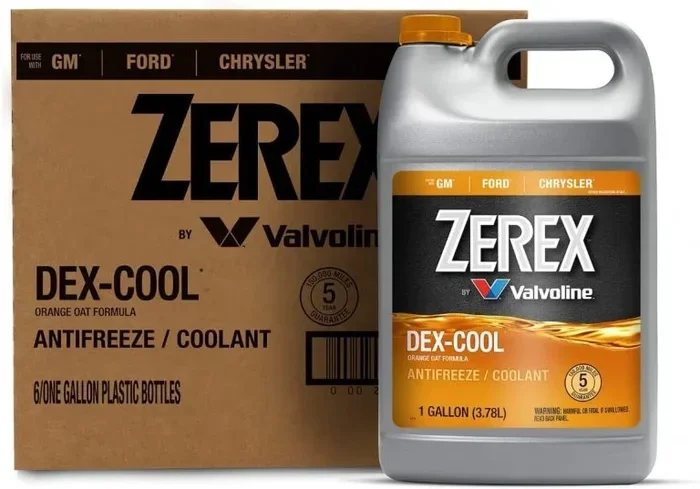
If Mopar coolant is not available or you prefer an aftermarket option, there are plenty of quality alternatives. Look for coolants that meet the Chrysler MS-7170 specification. This is the key standard your coolant must meet. Many brands like Valvoline, Prestone, and Zerex offer formulas that satisfy this requirement. Always read the label carefully to confirm compatibility with your Dodge Ram.
Universal vs. Vehicle-Specific Coolant
Universal coolants claim to work with any vehicle. While they may be convenient, they are not always the best choice. Vehicle-specific coolants like Mopar antifreeze are tailored to your engine’s exact needs. They provide better protection against corrosion, boiling, and freeze damage. For your Dodge Ram, I always recommend going with the vehicle-specific option whenever possible.
How to Check and Change Your Dodge Ram’s Antifreeze
Checking and changing your coolant levels is one of the simplest maintenance tasks you can do at home. It only takes a few basic tools and about 30 minutes. Here is how to do it right.
Step-by-Step Coolant Check
- Make sure your engine is completely cool. Never open the radiator cap on a hot engine. The system is pressurized, and hot coolant can cause serious burns.
- Locate the coolant reservoir. On most Dodge Rams, it is a translucent plastic tank near the radiator with MIN and MAX markers.
- Check the fluid level against the markers. The coolant should sit between the MIN and MAX lines when the engine is cold.
- Inspect the color of the coolant. Fresh coolant should be bright orange or red. If it looks brown, rusty, or muddy, it is time for a change.
- Check for leaks around the reservoir, hoses, and radiator. Look for puddles under your truck or white residue near connections.
How to Perform a Coolant Flush
A full coolant flush replaces all the old fluid and removes built-up deposits. Here is what you need to do:
- Drain the old coolant from the radiator drain plug.
- Flush the system with distilled water to remove any remaining old fluid and debris.
- Close the drain plug and refill with the correct Dodge Ram coolant.
- Run the engine for 10 to 15 minutes with the heater on max to circulate the new fluid.
- Let the engine cool, then recheck the coolant level and top off as needed.
How Often Should You Change Your Dodge Ram Coolant?
Most Dodge Ram owners should change their coolant every 60,000 to 150,000 miles depending on the formula used. Traditional green antifreeze needs changing more frequently, around every 30,000 miles. The orange and red extended life coolants can go much longer. Check your owner manual for the exact interval recommended for your model year. Regular coolant flush intervals help prevent buildup and keep your cooling system working efficiently.
Common Mistakes to Avoid When Choosing Antifreeze
Even experienced truck owners make mistakes when it comes to coolant selection. Here are the most common errors I see and how to avoid them.
Mixing Different Coolant Colors
This is the number one mistake people make. Mixing green and orange coolant, or red and purple, can create a gel-like substance that clogs your cooling system. The chemical reaction between different formulas can damage water pumps, radiators, and heater cores. Always drain the old coolant completely before adding new fluid. If you are unsure what is currently in your system, flush the entire system before refilling.
Using the Wrong Coolant Formula
Not all antifreeze is the same. Using a generic green coolant in a truck that requires HOAT or OAT formula can lead to premature corrosion. The additives in each formula are designed for specific engine materials and seal types. Always verify the coolant compatibility with your Dodge Ram’s engine specifications before pouring anything into the reservoir.
Ignoring Coolant Leaks
If you notice your coolant level dropping frequently, do not just keep topping it off. A dropping coolant level usually signals a leak somewhere in the system. Common leak points include the radiator, hoses, water pump, and heater core. Ignoring a leak can lead to engine overheating and severe internal damage. When you are working on the front end of your truck, such as replacing a bumper, is a great time to inspect the cooling system components nearby. Bumper replacement work often gives you access to check hoses and connections that might otherwise go unnoticed.
Using Tap Water Instead of Distilled Water
When mixing coolant or flushing your system, always use distilled water. Tap water contains minerals and minerals that can cause scale buildup inside your cooling system. Over time, this buildup reduces cooling efficiency and can clog small passages in the radiator and heater core. Distilled water is cheap and readily available, so there is no excuse not to use it.
Tips for Maintaining Your Dodge Ram’s Cooling System
Your Dodge Ram’s cooling system does more than just prevent overheating. It also protects your engine from corrosion, helps maintain optimal operating temperature, and keeps your heater working in cold weather. Here are some practical tips to keep everything running smoothly.
Inspect Hoses and Connections Regularly
Coolant hoses are under constant pressure and heat. Over time, they can crack, swell, or develop weak spots. I recommend visually inspecting all hoses at least twice a year. Look for soft spots, cracks, or coolant stains around the clamps. Replacing a hose before it fails can save you from a roadside breakdown and expensive engine repairs.
Monitor Your Temperature Gauge
Keep an eye on your temperature gauge while driving. If the needle starts climbing into the hot zone, pull over safely and let the engine cool down. Idling your engine safely for a few minutes can help bring the temperature down without causing thermal shock to the engine block. Continuing to drive while overheating can warp cylinder heads and blow head gaskets.
Keep Extra Coolant in Your Truck
I always keep a gallon of the correct Dodge Ram antifreeze in my truck bed. You never know when you might need a top-off on a long road trip. Make sure the extra coolant is the same color and formula as what is currently in your system. Store it in a sealed container away from direct sunlight and heat sources.
Protect Against Freezing and Boiling
Antifreeze is called antifreeze for a reason, but it also prevents your coolant from boiling over in hot weather. A proper 50/50 mix of coolant and distilled water provides freeze protection down to about -34 degrees Fahrenheit and boiling protection up to 265 degrees Fahrenheit. In extreme climates, you may want to adjust this ratio slightly. A coolant tester is a cheap tool that lets you check the freeze and boil protection levels quickly.
Replace the Radiator Cap When Needed
The radiator cap maintains pressure in the cooling system, which raises the boiling point of the coolant. A worn cap can cause coolant to boil over or allow air into the system. I recommend replacing your radiator cap every 3 to 5 years as part of routine cooling system maintenance. It is a small part that costs just a few dollars but plays a big role in system performance.
Key Takeaways for Dodge Ram Antifreeze Selection
Let me summarize the most important points to remember about what color antifreeze a Dodge Ram uses:
- Most Dodge Rams use orange, red, or yellow coolant depending on the model year and engine type.
- Always check your owner manual or the specification sticker under the hood for the exact coolant type.
- Mopar antifreeze is the safest choice for guaranteed compatibility.
- Never mix different coolant colors or formulas.
- Use distilled water when mixing or flushing coolant.
- Follow the recommended coolant flush intervals for your specific model year.
- Inspect hoses, connections, and the radiator cap regularly as part of routine Dodge Ram maintenance.
Getting the right antifreeze color for Dodge Ram is simple once you know what to look for. The key is to match the factory specification and never guess. Your Dodge Ram’s engine is a precision machine that deserves the right protection. Taking a few extra minutes to choose the correct coolant can save you thousands of dollars in repairs down the road and keep your truck running strong for years to come.
Whether you are a DIY mechanic or you prefer taking your truck to the shop, understanding your coolant is a fundamental part of vehicle ownership. Now that you know exactly what color antifreeze your Dodge Ram needs, you can walk into any auto parts store with confidence and make the right choice every time.
Frequently Asked Questions
What Color Antifreeze Should You Use in a Dodge Ram?
Most Dodge Ram trucks use orange or red antifreeze, specifically OAT-based coolant or HOAT coolant. The exact color depends on your model year and engine type, so always check your owner’s manual for the recommended Dodge Ram antifreeze color. Using the wrong type can lead to cooling system damage over time.
Can I Use Green Antifreeze in My Dodge Ram?
It is best to avoid green antifreeze in modern Dodge Rams because it is typically IAT coolant, which is not compatible with newer cooling systems. Older Dodge Rams from the 1990s and early 2000s may have used green antifreeze, but newer models require orange or red extended-life coolant. Switching to the correct Dodge Ram antifreeze color helps prevent corrosion and overheating issues.
What Happens if I Use the Wrong Color Antifreeze in My Dodge Ram?
Using the wrong antifreeze color can cause coolant incompatibility, leading to sludge buildup, corrosion, and potential engine overheating. Mixing different coolant types may also clog the radiator and cooling passages, resulting in costly repairs. Always stick to the factory-recommended coolant for your specific Dodge Ram model.
How Often Should I Change the Antifreeze in My Dodge Ram?
Most Dodge Rams need an antifreeze change every 150,000 miles or five years, whichever comes first, if you use extended-life OAT coolant. Older models using conventional green coolant may require changes every 30,000 miles or two years. Check your owner’s manual or consult a certified mechanic to confirm the right coolant change interval for your truck.
Is Orange Antifreeze the Same as Pink Antifreeze for a Dodge Ram?
Orange and pink antifreeze are not the same, even though they may look similar on the shelf. Orange antifreeze is usually OAT-based, while pink antifreeze is often P-OAT or Si-OAT hybrid, and each has different chemical properties. Always verify the Dodge Ram antifreeze color and type listed in your owner’s manual before purchasing.
Where Can I Buy the Right Antifreeze for My Dodge Ram?
You can buy the correct Dodge Ram antifreeze at auto parts stores, dealerships, and online retailers like Amazon or RockAuto. Look for coolants labeled as Mopar approved or match the specifications in your owner’s manual. Popular brands like Zerex, Peak, and Motorcraft offer compatible options for most Dodge Ram years.