Check Fuel Fill Inlet Meaning on Ford F-150 Explained
The Check Fuel Fill Inlet message on a Ford F-150 is a dashboard warning that tells you something is wrong with your fuel system, usually related to the gas cap or the EVAP system. This alert often appears when the fuel tank cannot maintain proper pressure, and it is one of the most common dashboard warnings F-150 owners encounter. In most cases, a loose or damaged gas cap is the culprit, but the message can also point to a deeper fuel system issue that needs attention.
If you are driving your Ford F-150 and suddenly see the words Check Fuel Fill Inlet light up on your dashboard, it is normal to feel a little concerned. You are not alone. This is one of the most common messages F-150 owners see, and it can pop up on trucks from many model years. The good news is that in most cases, the fix is simple and inexpensive. In this guide, we will walk you through exactly what this message means, why it appears, and how to get rid of it for good.
Whether you are a longtime F-150 owner or you just bought your first Ford truck, understanding your dashboard warnings is essential. These alerts are designed to protect your engine, your fuel system, and the environment. The Check Fuel Fill Inlet message is no different. It is your truck telling you that something in the fuel system is not sealing properly. Let us break it all down so you know exactly what to do the next time this message appears.
Key Takeaways
- It is a fuel system warning: The message means your Ford F-150 has detected a problem with the fuel fill inlet or the EVAP system.
- A loose gas cap is the most common cause: Simply tightening or replacing the cap often fixes the issue.
- It can trigger the check engine light: The Check Fuel Fill Inlet warning is closely tied to evaporative emissions codes.
- You can usually still drive safely: Short distances are fine, but you should address the issue promptly.
- DIY fixes are often possible: Most repairs do not require a mechanic or expensive parts.
- Ignoring it can lead to bigger problems: Prolonged neglect may cause fuel vapor leaks or failed emissions tests.
📑 Table of Contents
- What Does “Check Fuel Fill Inlet” Mean on a Ford F-150?
- Common Causes of the Check Fuel Fill Inlet Message
- How to Diagnose the Problem
- Step-by-Step Fixes for the Check Fuel Fill Inlet Warning
- Can You Still Drive With the Check Fuel Fill Inlet Message?
- Preventing the Check Fuel Fill Inlet Message
- When to See a Mechanic
- Final Thoughts
What Does “Check Fuel Fill Inlet” Mean on a Ford F-150?
The Check Fuel Fill Inlet message is a dashboard alert that lets you know your truck has detected a problem with the fuel fill inlet system. The fuel fill inlet is the part where you put gas into your tank. It includes the gas cap, the fuel neck, and the fuel tank opening. When your F-150 sees a pressure or vacuum issue in this area, it triggers the warning.
Think of your fuel system like a sealed container. The EVAP system, which stands for Evaporative Emissions Control, keeps fuel vapors from escaping into the air. When the system cannot hold the right pressure, your truck’s computer logs a fault and displays the message. This is part of your truck’s onboard diagnostics, and it is closely related to the check engine light system.
The message is not always an emergency. Sometimes it is a minor issue, like a loose gas cap. Other times, it can signal a cracked fuel line or a faulty seal. Understanding the severity helps you decide how quickly you need to act. Either way, you should not ignore it for too long.
How the Fuel Fill Inlet System Works
Your Ford F-150’s fuel fill inlet system does more than just let you pour gasoline into the tank. It also manages fuel vapors. When fuel sits in the tank, it naturally produces vapors. The EVAP system captures these vapors and routes them back into the engine to be burned off. A fuel tank pressure sensor monitors the system at all times.
If the pressure drops too low or rises too high, the sensor sends a signal to the powertrain control module, or PCM. The PCM then stores a diagnostic trouble code and lights up your dashboard. This is how the Check Fuel Fill Inlet message finds its way onto your screen. The system is doing its job by alerting you to a potential leak or seal failure.
Common Causes of the Check Fuel Fill Inlet Message
There are several reasons your Ford F-150 might display this warning. Some causes are very simple to fix. Others require a bit more work. Here are the most common reasons the message appears.
Loose or Damaged Gas Cap
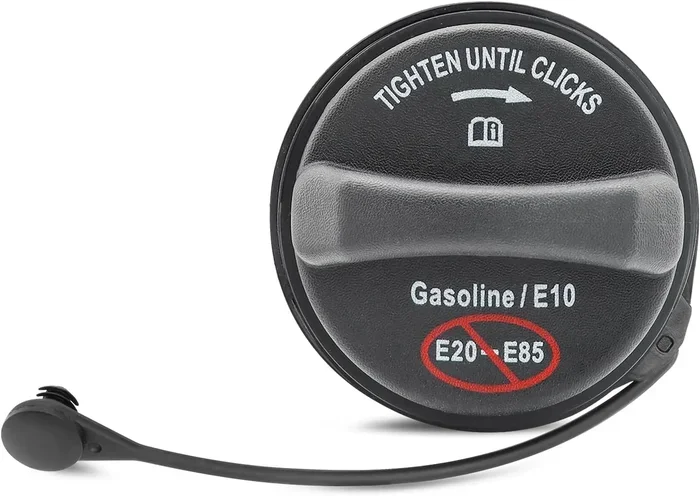
This is the number one cause of the Check Fuel Fill Inlet message. A loose gas cap lets air leak into the fuel system, which disrupts the pressure balance. Sometimes the cap is not tightened all the way. Other times, the rubber seal inside the cap is worn out or cracked.
If you have just filled up at the gas station and the message appeared right after, this is almost certainly the cause. A quick fix is to turn the cap clockwise until it clicks. If the seal is damaged, replacing the gas cap is a cheap and easy solution. Most OEM Ford caps cost under 30 dollars.
Cracked or Damaged Fuel Fill Neck
The fuel fill neck is the tube that connects the gas cap to the fuel tank. Over time, this neck can crack or become damaged, especially in older trucks or those that have been driven in rough conditions. A crack in the neck creates a vacuum leak, which triggers the warning.
Inspect the area around the gas cap opening. Look for any visible cracks, rust, or damage. If you find a crack, you will likely need to replace the fuel fill neck. This is a moderate repair that a skilled DIYer can handle, but a mechanic can do it quickly as well.
Faulty Fuel Tank Pressure Sensor
The fuel tank pressure sensor is a small component that monitors the pressure inside your fuel tank. If this sensor fails or gives incorrect readings, your truck’s computer may think there is a leak even when there is not. This is a less common cause but still worth considering.
Replacing a faulty sensor usually requires a visit to a repair shop or a dealership. The part itself is not too expensive, but the labor can vary depending on the location of the sensor on your specific F-150 model year.
EVAP System Leak
A leak in the EVAP system is another possible cause. The EVAP system includes several components, such as purge valves, canister vents, and connecting hoses. Any one of these parts can develop a leak over time. When that happens, the system cannot maintain proper pressure, and the warning message appears.
Diagnosing an EVAP leak can be tricky. A mechanic may use a smoke machine test to find the exact location of the leak. This is a more involved repair, but it is important for keeping your truck running clean and passing emissions inspections.
Fuel Tank Damage
In rare cases, the fuel tank itself may be damaged. Dents, corrosion, or punctures can compromise the tank’s ability to hold pressure. If you suspect tank damage, you should address it right away. A damaged fuel tank is a safety concern and should not be ignored.
How to Diagnose the Problem
Before you start replacing parts, it helps to narrow down the cause. Diagnosing the issue correctly can save you time and money. Here is how to approach it step by step.
Step 1: Check the Gas Cap
Start with the simplest explanation. Open the fuel door and remove the gas cap. Look at the rubber seal for any cracks or wear. Then, reinstall the cap and tighten it firmly until you hear it click. If the seal looks fine, this step alone may clear the message after a few drive cycles.
While you are at it, make sure the gas cap is the right one for your F-150. Using an aftermarket cap that does not fit properly can cause the same warning. OEM parts are always the safest bet.
Step 2: Use an OBD-II Scanner
If tightening the gas cap does not work, the next step is to use an OBD-II scanner. This tool plugs into the diagnostic port under your dashboard and reads the trouble codes stored in your truck’s computer. The Check Fuel Fill Inlet message is often tied to specific codes like P0455 or P0456, which indicate a large or small EVAP leak.
You can buy a basic OBD-II scanner for under 30 dollars at most auto parts stores. Some scanners even connect to your phone through a Bluetooth app. This makes it easy to check codes at home without visiting a mechanic.
Step 3: Inspect the Fuel Fill Neck and Tank
With the codes in hand, you can focus your search. If the code points to a leak, visually inspect the fuel fill neck and the area around the fuel tank. Look for cracks, loose connections, or damaged hoses. A flashlight can help you see into tight spaces.
If you do not see any obvious damage, the problem may be internal. In that case, it is time to visit a qualified repair shop. They have the tools and expertise to test the EVAP system thoroughly.
Step-by-Step Fixes for the Check Fuel Fill Inlet Warning
Once you know the cause, fixing the problem is usually straightforward. Here are the most common fixes, listed from easiest to most complex.
Fix 1: Tighten or Replace the Gas Cap
If a loose or worn gas cap is the issue, this fix takes about 30 seconds. Simply remove the cap, inspect the seal, and reinstall it tightly. If the seal is damaged, buy a replacement cap. After installing the new cap, drive your truck for a few days. The message should clear on its own after a few successful drive cycles.
Tip: Always turn the cap by hand. Do not use tools to tighten it. Over-tightening can damage the seal and cause the same problem.
Fix 2: Replace the Fuel Fill Neck
If the fuel fill neck is cracked, you will need to replace it. This part is relatively affordable, usually between 50 and 150 dollars depending on your F-150 model year. The repair involves removing the old neck and installing the new one. If you are comfortable working under the truck, this is a doable DIY job.
Make sure to disconnect the battery before starting the repair. This prevents any electrical issues while you work. Once the new neck is in place, clear the code with your OBD-II scanner and take a test drive.
Fix 3: Repair or Replace EVAP Components
If the diagnostic codes point to an EVAP system leak, you may need to replace one or more components. Common parts that fail include the purge valve, the canister vent valve, and the charcoal canister. These repairs are more involved but still manageable for most people.
Replacement costs vary widely. A purge valve might cost 50 to 100 dollars, while a charcoal canister can run 200 dollars or more. Labor costs depend on your location and the specific part. If you are not comfortable doing the work yourself, a local mechanic can handle it quickly.
Fix 4: Replace the Fuel Tank Pressure Sensor
A faulty fuel tank pressure sensor needs to be replaced. The sensor is usually located near the top of the fuel tank or on the fuel lines. Access can be tricky on some F-150 models, which is why this repair is best left to a professional if you are not experienced with fuel system work.
The sensor itself is not expensive, but the labor can add up. Expect to pay between 150 and 300 dollars total for parts and labor. After the replacement, the warning message should clear after a few drive cycles.
Can You Still Drive With the Check Fuel Fill Inlet Message?
The short answer is yes, in most cases you can still drive your Ford F-150 with the Check Fuel Fill Inlet message displayed. The truck will continue to run normally in the vast majority of situations. However, there are some important things to keep in mind.
If the message appeared right after you filled up, and you have checked the gas cap, you are likely fine to drive to your destination. Just make sure the cap is tight. If the message stays on after a few days, you should investigate further. Driving with a small fuel vapor leak is not immediately dangerous, but it can cause your truck to fail an emissions test.
On the other hand, if you notice any fuel odors, fuel leaks under the truck, or a drop in fuel efficiency, you should address the issue right away. These symptoms could indicate a more serious problem. If you are ever unsure, it is better to be safe than sorry. Pull over and inspect the fuel area, or have your truck towed to a repair shop.
One thing to keep in mind is that the Check Fuel Fill Inlet message is different from a serious drivability issue. It is not like a red oil pressure warning or an overheating alert. It is a maintenance-level warning, which means it is telling you to take action, but not to panic. Still, you should not let it linger for weeks on end.
Preventing the Check Fuel Fill Inlet Message
Prevention is always easier than repair. Here are a few simple habits that can help you avoid seeing the Check Fuel Fill Inlet message on your Ford F-150 in the future.
- Always tighten the gas cap until it clicks. This is the single best way to prevent the message from appearing.
- Replace your gas cap every few years. The rubber seal wears out over time, and a worn seal can cause leaks.
- Use OEM or quality aftermarket parts. Cheap, poorly fitting caps are a common source of problems.
- Check your fuel system during routine maintenance. Ask your mechanic to inspect the EVAP system and fuel lines at regular service intervals.
- Do not overfill the tank. Topping off the tank can cause fuel to enter the EVAP system, which can damage components over time.
These simple steps go a long way in keeping your F-150 healthy. They also help you avoid the frustration of dealing with unexpected dashboard warnings. Your truck is a significant investment, and taking care of the small things pays off in the long run.
It is also worth noting that the Check Fuel Fill Inlet message can sometimes appear after a fuel fill at a new gas station. Different fuel stations may have slightly different vapor recovery systems, and this can occasionally trigger the warning. If the message goes away after a day or two, there is usually nothing to worry about.
When to See a Mechanic
While many causes of the Check Fuel Fill Inlet message are easy to fix at home, there are times when professional help is the right call. If you have checked the gas cap, tightened it properly, and the message still appears after several days, it is time to see a mechanic. Similarly, if you notice any fuel leaks, strong fuel odors, or a drop in performance, do not delay.
A mechanic can run a full EVAP system test and use specialized equipment to find even small leaks. This level of diagnostic work is beyond what most DIYers can do at home. If the issue turns out to be a faulty sensor, a cracked fuel line, or a damaged charcoal canister, a professional repair ensures the job is done right and safely.
Final Thoughts
The Check Fuel Fill Inlet message on your Ford F-150 is a common and usually fixable issue. In most cases, it is caused by a loose or damaged gas cap, and a simple tightening or replacement solves the problem. When the cause is more complex, the diagnostic steps outlined in this guide will help you narrow it down and find the right fix.
Do not ignore the message, but also do not panic. Your truck is designed to handle these warnings and alert you when something needs attention. By addressing the issue promptly, you keep your F-150 running smoothly and avoid more costly repairs down the road. Remember, the Check Fuel Fill Inlet warning is your truck talking to you. Listen to it, and you will keep your truck in great shape for years to come.
Whether you handle the repair yourself or take it to a shop, the most important thing is to act on the warning. A small fix today can prevent a bigger problem tomorrow. Your Ford F-150 is a tough and reliable truck, and with the right care, it will keep serving you well for a long time.
Frequently Asked Questions
What causes the Check Fuel Fill Inlet message on a Ford F-150?
The most common cause is a loose or damaged gas cap. Other causes include a cracked fuel fill neck, a faulty fuel tank pressure sensor, or a leak in the EVAP system. Sometimes the message appears after filling up at a gas station and resolves on its own.
Is it safe to drive my F-150 with the Check Fuel Fill Inlet message?
Yes, in most cases it is safe to drive short distances. The message is a maintenance warning, not an emergency alert. However, you should address the issue promptly to avoid potential fuel vapor leaks or failed emissions tests.
How do I reset the Check Fuel Fill Inlet message?
First, check and tighten the gas cap. If the seal is damaged, replace the cap. After reinstalling the cap, drive the truck for a few days. The message should clear on its own after a few successful drive cycles. You can also use an OBD-II scanner to clear the code manually.
How much does it cost to fix the Check Fuel Fill Inlet issue?
Cost depends on the cause. Replacing a gas cap costs under 30 dollars. A fuel fill neck replacement runs 50 to 150 dollars. More complex EVAP repairs or sensor replacements can cost 150 to 300 dollars or more, depending on the part and labor.
Can a bad gas cap trigger the Check Fuel Fill Inlet message?
Absolutely. A loose, cracked, or worn-out gas cap is the most frequent cause of this warning. The cap seals the fuel system, and when it fails, the pressure balance is disrupted, which triggers the message on your dashboard.
Will the Check Fuel Fill Inlet message go away on its own?
Sometimes it does. If the cause was a loose gas cap, tightening it properly may clear the message after a few drive cycles. However, if the underlying issue is not fixed, the message will likely return. It is best to diagnose and address the root cause rather than waiting for it to disappear.