What Happens When a Car Overheats and the Damage Done
When a car overheats, serious damage can happen fast. The engine block can crack, the head gasket can blow, and metal parts can warp beyond repair. Understanding overheating symptoms early can save you thousands in engine overheating repair costs. This guide walks you through exactly what happens when a car overheats and how to protect your vehicle.
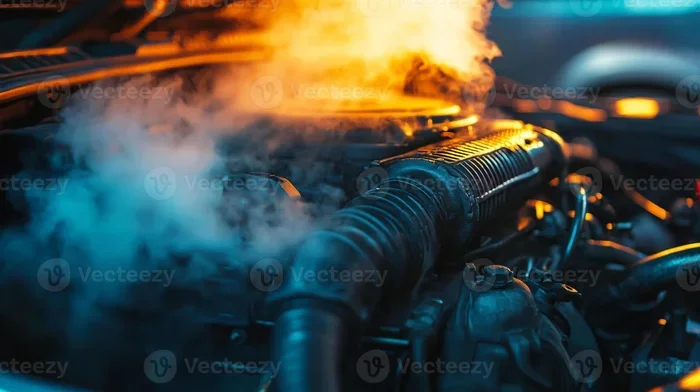
You’re driving down the road, and suddenly you notice steam curling up from under your hood. Your heart sinks. What happens when a car overheats? The answer is not pretty. A car engine runs at extremely high temperatures, and it relies on a complex cooling system to stay within a safe range. When that system fails, the results can be devastating.
Engine overheating is one of the most common reasons drivers end up stranded on the side of the road. But what many people don’t realize is that the real danger isn’t just the moment the temperature spikes. The damage done can linger long after the engine cools down. Warped parts, blown gaskets, and cracked blocks can turn a simple repair into a financial nightmare.
In this article, we’ll walk through exactly what happens inside your engine when it overheats. We’ll cover the warning signs, the damage stages, the repair costs, and most importantly, how to prevent it from happening again. Whether you’re dealing with an overheating car right now or just want to be prepared, this guide has you covered.
Key Takeaways
- Engine damage starts fast: Even a few minutes of overheating can cause permanent harm to internal components.
- Blown head gaskets and warped cylinder heads are among the most common and expensive results of overheating.
- Early warning signs matter: Steam from the hood, rising temperature gauges, and strange smells all signal trouble.
- Coolant system failures are the leading cause of overheating in most vehicles.
- Prevention is far cheaper than repair: Regular maintenance keeps your cooling system working properly.
- Never ignore overheating: Continuing to drive can turn a small fix into a total engine replacement.
📑 Table of Contents
- What Happens When a Car Overheats: The Immediate Effects
- The Damage Done: From Bad to Worse
- Overheating Symptoms You Should Never Ignore
- Common Causes of Car Overheating
- Overheating Engine Repair Cost and Timeline
- How to Prevent Your Car from Overheating
- Expert Insight: Why Overheating Is a Silent Engine Killer
- Conclusion
What Happens When a Car Overheats: The Immediate Effects
When your engine temperature climbs past the normal range, things start going wrong very quickly. Most car engines run best between 195 and 220 degrees Fahrenheit. Once the temperature pushes past 230 degrees, trouble begins. By 250 degrees, you’re in serious danger territory.
The First Signs You’ll Notice
Your car gives you plenty of warnings before things reach a critical point. Here are the overheating symptoms to watch for:
- Steam or smoke rising from under the hood
- A rising temperature gauge on your dashboard
- Strange smells, like sweet coolant or burnt rubber
- Reduced engine power or hesitation when accelerating
- Coolant leaking under your parked car
- A clicking or ticking noise coming from the engine bay
Don’t ignore these signs. Many drivers try to “push through” and keep driving. That is almost always a bad idea. The longer your engine runs hot, the worse the engine damage becomes.
What’s Going on Inside the Engine
To understand the damage, it helps to know how your engine works. Your engine has many metal parts that move against each other at high speed. Engine oil lubricates these parts and keeps friction low. The cooling system pulls heat away from the engine block and radiator.
When the temperature rises too high, several things happen at once:
- The engine oil breaks down. It loses its ability to lubricate properly. This causes increased friction between metal parts.
- Metal parts expand. Heat causes metal to swell. Parts that fit tightly together start rubbing and grinding.
- The combustion process suffers. The air-fuel mixture can ignite prematurely, causing knocking and pinging sounds.
- Seals and gaskets degrade. The high heat weakens rubber and composite materials that keep fluids where they belong.
All of this happens within minutes. And once it starts, it accelerates quickly. The coolant temperature rises, the pressure builds, and the weakest points in your engine give way first.
The Damage Done: From Bad to Worse
Here is where we talk about the real consequences. What happens when a car overheats over time? The damage progresses in stages. The longer you drive while overheating, the more severe the problems become.
Blown Head Gasket
A blown head gasket is one of the most common results of engine overheating. The head gasket sits between the engine block and the cylinder head. It seals the combustion chambers and keeps coolant and oil from mixing.
When the engine gets too hot, the gasket can fail. This means:
- Coolant leaks into the combustion chambers
- Oil and coolant mix, creating a milky sludge
- White smoke pours from the exhaust pipe
- Loss of engine power and poor fuel economy
- Overheating warning signs that keep coming back
A blown head gasket repair can cost anywhere from $1,000 to $2,500 or more, depending on your vehicle. The good news? If you catch it early, the repair is manageable. The bad news? If you keep driving on a blown gasket, the damage spreads.
Warped Cylinder Head
The cylinder head sits on top of the engine block. It’s made of metal, and metal warps under extreme heat. A warped cylinder head can cause an uneven seal with the gasket. This leads to compression loss, oil leaks, and continued overheating.
Signs of a warped cylinder head include:
- Misfiring cylinders
- Oil or coolant leaks around the head bolts
- Rough idling or stalling
- Persistent overheating engine repair cost escalation
In many cases, a warped head can be resurfaced by a machine shop. But if the warping is severe, the head needs to be replaced entirely. That adds significant cost to the repair bill.
Cracked Engine Block
The cracked engine block is the worst-case scenario. The engine block is the foundation of the entire engine. It houses the cylinders, crankshaft, and other critical components. When it cracks, the engine is essentially destroyed.
A cracked block can happen when:
- The engine reaches extreme temperatures repeatedly
- Frozen coolant expands inside the block during winter
- The engine is overheated for an extended period
A cracked engine block usually means the engine needs to be replaced. The overheating engine repair cost for a full engine replacement can range from $4,000 to $8,000 or more. In some cases, it makes more financial sense to replace the entire vehicle.
Other Serious Overheating Damage
The damage doesn’t stop at gaskets and blocks. Here are other components that can fail due to overheating:
- Warped pistons that no longer seal properly in the cylinders
- Damaged pistons rings that cause oil burning and power loss
- Cracked spark plugs from thermal shock
- Damaged bearings from oil breakdown
- Cracked radiator hoses from pressure buildup
- Thermostat malfunction that prevents proper coolant flow
Each of these problems feeds into the next. A damaged bearing causes more friction, which creates more heat, which causes more damage. It becomes a dangerous cycle that can destroy an engine in a short time.
Overheating Symptoms You Should Never Ignore
Knowing the signs of an overheating engine can save you from catastrophic engine damage. The key is catching the problem early and pulling over safely.
Warning Lights and Sounds
Your dashboard is your first line of defense. The temperature gauge is the most obvious indicator. If it moves into the red zone, pull over immediately.
Listen for unusual sounds too. A knocking or pinging noise often means the air-fuel mixture is detonating incorrectly. This happens when the engine runs too hot. A hissing sound under the hood can mean coolant is leaking onto hot engine parts.
Visual Clues Under the Hood
Pop the hood and look around. Here’s what to check:
- Coolant puddles under the car
- Steam or vapor coming from the radiator or engine
- Swollen or cracked hoses connected to the radiator
- Rust or corrosion on the radiator fins
- Loose or damaged belts that drive the water pump
Even if you don’t see anything obvious, trust your senses. A sweet smell inside the car often means coolant is leaking into the ventilation system. A burning smell could mean oil is hitting hot engine parts.
Common Causes of Car Overheating
Understanding what causes overheating helps you prevent it. Here are the most common culprits behind engine overheating:
Coolant System Failures
The cooling system is the heart of your engine’s temperature regulation. When something goes wrong here, overheating follows quickly.
- Low coolant levels from leaks or evaporation
- A failed water pump that can’t circulate coolant
- A clogged radiator that can’t release heat properly
- A broken thermostat that stays closed and blocks coolant flow
- A faulty radiator fan that doesn’t kick on when needed
Regularly checking your coolant level and condition goes a long way. Most manufacturers recommend a coolant flush every 30,000 to 50,000 miles. Check your owner’s manual for the specific schedule for your vehicle.
External Factors That Contribute
Sometimes the cause isn’t mechanical. External factors can push your engine past its limits:
- Driving in extreme heat during summer months
- Towing heavy loads without proper cooling support
- Stop-and-go traffic that limits airflow through the radiator
- Broken or slipping drive belts that affect the water pump
- Old or degraded coolant that loses its heat-transfer properties
These factors alone might not cause overheating. But combined with a weak cooling system, they can push your engine over the edge.
Overheating Engine Repair Cost and Timeline
The overheating engine repair cost varies widely depending on the damage. Here’s a rough breakdown to help you understand what to expect:
| Repair Type | Estimated Cost | Time to Complete |
|---|---|---|
| Thermostat Replacement | $150 – $300 | 1-2 hours |
| Water Pump Replacement | $300 – $750 | 2-4 hours |
| Radiator Repair or Replacement | $300 – $900 | 2-5 hours |
| Head Gasket Replacement | $1,000 – $2,500 | 6-12 hours |
| Cylinder Head Resurfacing | $200 – $500 | 1-2 days |
| Engine Replacement | $4,000 – $8,000 | 1-3 days |
Minor vs. Major Repairs
Minor repairs like replacing a thermostat or fixing a small coolant leak are relatively affordable. These fixes often cost a few hundred dollars and can be done in a single day.
Major repairs like head gasket replacement or engine replacement are a completely different story. These jobs require significant labor hours and expensive parts. The key takeaway? The longer you ignore overheating, the more expensive it gets.
When It’s Time to Walk Away
Sometimes the repair cost exceeds the value of the vehicle. If your car has a cracked engine block and you’re looking at $6,000 in repairs, it might be time to consider your options. A mechanic can help you evaluate whether the repair is worth it compared to the vehicle’s overall condition and market value.
How to Prevent Your Car from Overheating
Prevention is always better than repair. Here are practical steps to keep your engine running at a safe temperature.
Regular Maintenance Tips
- Check your coolant level monthly, especially before long trips
- Inspect hoses and belts for cracks, swelling, or wear
- Flush and replace coolant according to your manufacturer’s schedule
- Replace the thermostat if your temperature gauge shows erratic behavior
- Keep the radiator clean and free from debris and bugs
- Monitor the temperature gauge while driving and act quickly if it rises
- Use the right coolant type for your vehicle as specified in the manual
What to Do If Your Car Starts Overheating
If you notice overheating warning signs while driving, follow these steps:
- Turn off the air conditioning. This reduces the load on the engine.
- Turn the heater to maximum. This helps pull heat away from the engine.
- Pull over safely as soon as possible. Do not keep driving.
- Turn off the engine. Let it cool down for at least 15-20 minutes.
- Do not open the radiator cap immediately. Pressurized coolant can cause severe burns.
- Check the coolant level once the engine has cooled.
- Call for roadside assistance if you can’t identify or fix the problem.
Following these steps can prevent further damage while you wait for help. It’s simple, but it makes a real difference.
Expert Insight: Why Overheating Is a Silent Engine Killer
Here’s something many car owners don’t realize: engine overheating doesn’t always cause immediate failure. Sometimes the damage is subtle and builds over time. You might drive through an overheating episode, pull over, let the engine cool, and think everything is fine.
But internally, the damage has already been done. The head gasket may have a small leak. The cylinder head might be slightly warped. The oil has lost its lubricating properties. These issues might not show up for days or weeks, but when they do, they’re often much worse than if you had addressed the overheating right away.
Experienced mechanics often say that the worst part about overheating damage is that it’s cumulative. Each overheating event weakens the engine a little more. Eventually, something gives way, and suddenly you’re facing a major repair bill.
The best advice? Take every overheating episode seriously. Even if the engine seems fine afterward, get it inspected by a qualified mechanic. Catching small problems early is the best way to avoid engine damage down the road.
Conclusion
What happens when a car overheats? The answer is clear: serious and expensive damage that can ruin your engine if you’re not careful. From blown head gaskets to cracked engine blocks, the consequences of ignoring overheating symptoms can be severe.
The good news is that most overheating problems are preventable. Regular maintenance, attentive driving, and quick action when warning signs appear can keep your engine healthy for years. If you do experience overheating, pull over safely, let the engine cool, and get professional help as soon as possible.
Don’t let a small overheating issue turn into a major engine failure. Your cooling system is working hard every time you drive. Give it the attention it deserves, and it will keep you on the road safely.
Frequently Asked Questions
Can I keep driving if my car is overheating?
No. Continuing to drive an overheating car can cause permanent engine damage within minutes. Pull over safely, turn off the engine, and wait for it to cool down before checking anything.
How much does it cost to fix an overheating car?
The cost depends entirely on the damage. A simple thermostat replacement might cost $150, while a blown head gasket repair can run $1,000 to $2,500. A full engine replacement can exceed $5,000.
What should I check first when my car starts overheating?
Check the coolant level first. A low coolant level is the most common cause of overheating. Also inspect for visible leaks, broken hoses, and a functioning radiator fan.
Can overheating cause a car fire?
It’s rare but possible. When coolant leaks onto hot engine parts, it can create steam and smoke. In extreme cases, oil leaks combined with high heat can increase fire risk. Always pull over and turn off the engine if you notice overheating.
How long does it take for an overheated engine to cool down?
It typically takes 15 to 30 minutes for an overheated engine to cool to a safe temperature. Never open the radiator cap while the engine is hot, as pressurized coolant can cause serious burns.
Is it safe to add coolant while the engine is hot?
No. Adding coolant to a hot engine can cause the hot coolant to erupt and cause burns. Always wait for the engine to cool completely before opening the radiator cap or coolant reservoir.
=== META TITLE ===
What Happens When a Car Overheats & Damage Done
=== URL SLUG ===
/what-happens-when-a-car-overheats-and-the-damage-done
=== SEO TITLE ===
What Happens When a Car Overheats and the Damage Done