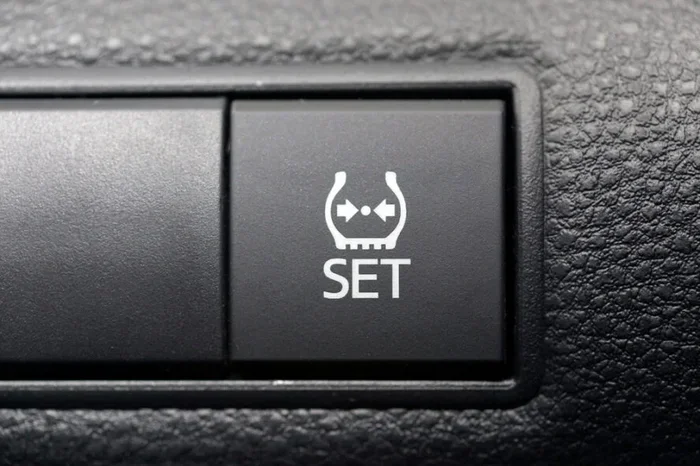
Where Do I Find the TPMS Reset Button on My Vehicle
The TPMS reset button location varies by vehicle brand and model. Most commonly, you will find it beneath the steering wheel, near the dashboard, or inside the glove box. Knowing where to look saves time and helps you reset your tire pressure monitoring system quickly without a trip to the mechanic.
That little yellow horseshoe-shaped light on your dashboard just popped on, and now you are staring at it wondering what to do. Before you panic or book an expensive shop visit, here is some good news. In most vehicles, you can fix this yourself in just a few minutes. The key is knowing where the TPMS reset button is hiding.
Your tire pressure monitoring system is designed to keep you safe. It alerts you when one or more tires fall below the recommended pressure. But sometimes the light stays on even after you have fixed the problem. That is when you need to hit the reset button. This guide will show you exactly where to look on your vehicle.
We will cover every common location, brand-specific differences, and what to do if your car does not have a physical button at all. By the end, you will feel confident handling this simple car maintenance task on your own.
Key Takeaways
- Common Location: The TPMS reset button is usually found under the steering wheel on the left side of the dashboard.
- Glove Box Spot: Many vehicles hide the reset button inside the glove compartment on the door panel.
- Center Console Area: Some models place the button near the center console or shifter area.
- No Button? Certain vehicles require you to use the infotainment system menu instead of a physical button.
- After Resetting: Drive above 30 mph for a few minutes to let the system recalibrate properly.
- Persistent Light: If the light stays on after resetting, check your tire pressure or inspect the TPMS sensor for damage.
📑 Table of Contents
- What Is a TPMS Reset Button?
- Where Is the TPMS Reset Button Located?
- TPMS Reset Button Location by Brand
- How to Reset Your TPMS After Finding the Button
- What If There Is No TPMS Reset Button?
- Common Mistakes When Resetting the TPMS
- When to See a Professional About Your TPMS
- Quick Tips for Keeping Your TPMS in Good Shape
- Final Thoughts
What Is a TPMS Reset Button?
The TPMS reset button is a small switch that tells your vehicle’s computer to recalibrate the tire pressure monitoring system. When you check your tire pressure and adjust it to the correct level, the system still needs a nudge to recognize the fix. That nudge comes from the reset button.
Think of it like restarting your phone after an update. The update is done, but the system needs a fresh start to work properly. The same idea applies here. Once you press the button, the dashboard light should turn off within a few minutes of driving.
Not all vehicles use the same type of reset mechanism. Some have a physical button you can press. Others rely on a touchscreen menu or a combination of steering wheel controls. We will walk through each type below.
Where Is the TPMS Reset Button Located?
The TPMS reset button location depends entirely on your vehicle’s make, model, and year. Automakers place it in different spots to fit their interior designs. Here are the most common places to look.
Under the Steering Wheel
This is the most common spot. In many vehicles, you will find the TPMS reset button tucked under the lower left side of the steering wheel. You may need to feel around the area with your fingers because the button is often small and flush with the panel.
Look for a tiny button labeled “TPMS,” “RESET,” or sometimes just a symbol that looks like a horseshoe with an exclamation point inside. In some models, you may need to remove a small plastic cover to access it. Once you find it, press and hold the button for about three to five seconds until the dashboard light blinks.
Inside the Glove Box
If you do not find a button under the steering wheel, check the glove box next. Several manufacturers, including some models from Ford and Chevrolet, place the reset switch on the inside of the glove compartment door or on the side wall of the compartment itself.
Simply open the glove box, look at the latch area or the inner door panel, and feel for a small button. Press and hold it the same way you would under the steering wheel. This is a surprisingly common spot that many drivers overlook.
Near the Center Console
Some vehicles hide the reset switch near the center console or the gear shifter area. Check the small panel surrounding the shifter, the armrest storage area, or the area between the front seats. The button is usually small and may sit alongside other controls like the hazard light switch or the trunk release.
On the Infotainment Screen
Here is where things get a little different. Many newer vehicles, especially models from Toyota, BMW, and Mercedes-Benz, do not have a physical TPMS reset button at all. Instead, you use the infotainment screen to reset the system.
Navigate to the vehicle settings menu, look for a section called “Vehicle Health,” “Tire Pressure,” or “TPMS,” and follow the on-screen prompts to reset the system. This method is just as effective as pressing a physical button. It just requires you to dig into the menu a bit.
Under the Hood
In rare cases, you may find the reset mechanism near the engine bay. Some older vehicles or certain truck models place a reset switch near the fuse box or the brake fluid reservoir. If you have checked everywhere else, pop the hood and look for a small button or switch labeled “TPMS.”
TPMS Reset Button Location by Brand
Every brand has its own habit for where the TPMS reset button lives. Here is a quick breakdown of some popular brands and where to find it.
Toyota and Lexus
For most Toyota and Lexus models, the reset button sits under the steering wheel on the lower left. Press and hold it until the tire pressure light blinks three times. Then start driving and the system should recalibrate within a few minutes.
Ford
Ford vehicles often hide the reset switch inside the glove box. Look for a small button on the glove box door. Press and hold it until the light on the dashboard turns off or blinks.
Chevrolet
Chevrolet typically places the button under the steering wheel. Some models also allow you to reset through the infotainment system. Check your owner’s manual for the exact steps.
Honda
Honda usually puts the reset button under the steering wheel to the left. On some models, you may need to hold the button while the ignition is in the “ON” position but the engine is not running.
BMW and Mercedes-Benz
These luxury brands typically rely on the iDrive or COMAND infotainment systems. You will not find a physical button in most cases. Instead, go to the vehicle menu and select the tire pressure monitoring option to reset.
How to Reset Your TPMS After Finding the Button
Now that you know where the button is, here is the step-by-step process to get the job done right.
- Check your tire pressure. Use a reliable tire pressure gauge to check all four tires plus the spare. Compare the readings to the recommended pressure listed on the driver’s side door jamb.
- Inflate or deflate as needed. Add air to tires that are low or let some out if a tire is overinflated. You want all tires at the factory-recommended level.
- Find the reset button. Use the location guide above to find the button on your specific vehicle.
- Press and hold the button. Hold it for three to five seconds until you see the dashboard light blink or turn off.
- Start driving. Drive the vehicle at a steady speed of above 30 mph for about 10 to 15 minutes. This allows the system to recalibrate.
- Check the dashboard. After driving, the light should be off. If it stays on, you may need to repeat the process or inspect your tires and sensors more closely.
If you are also dealing with other dashboard warnings, you might want to learn how to reset the check engine light without disconnecting the battery as well. Both processes are simple and can save you a trip to the dealership.
What If There Is No TPMS Reset Button?
Some modern vehicles have done away with the physical reset button entirely. Instead, they rely entirely on the infotainment system to handle TPMS reset functions. If you cannot find a button anywhere on your vehicle, do not worry. Here is what you should do.
First, consult your owner’s manual. Every vehicle comes with a manual that explains the exact reset procedure for that model. You can also find a digital version of the manual on the manufacturer’s website.
Second, try the infotainment system. Navigate through the settings menu and look for anything related to tire pressure or vehicle health. Many newer vehicles allow you to perform a full tire pressure monitoring reset right from the screen.
Third, if neither method works, it may be time to see a professional. A persistent TPMS warning light could indicate a faulty sensor, a dead battery in the sensor, or a deeper issue with the monitoring system. A mechanic can run a diagnostic scan and pinpoint the exact problem.
Common Mistakes When Resetting the TPMS
Even though resetting the TPMS is a simple task, people still make mistakes that cause frustration. Here are some common errors to avoid.
- Resetting before checking tire pressure. This is the number one mistake. If you reset without first fixing the low pressure, the light will just come back on. Always check and adjust tire pressure first.
- Not driving long enough after resetting. The system needs time and distance to recalibrate. Driving just a few feet around the parking lot is not enough. Give it at least 10 to 15 minutes of steady driving above 30 mph.
- Ignoring a persistent light. If the light comes back on shortly after resetting, something is wrong. Do not just reset it again and ignore it. Investigate the cause.
- Using the wrong tire pressure. Every vehicle has a specific recommended pressure. Check the door jamb sticker, not the tire sidewall, for the correct number.
- Assuming all tires are fine. Sometimes only one tire is low. Check all four tires individually with a gauge. Do not rely on visual inspection alone.
When to See a Professional About Your TPMS
Most of the time, resetting the TPMS reset button solves the problem quickly. But there are situations where professional help is the right call.
If the dashboard light keeps coming back after you have properly inflated your tires and reset the system, the TPMS sensor itself may be failing. Sensors have a limited lifespan, usually around five to ten years, and the internal battery can die over time.
You should also see a professional if you notice one tire consistently losing air. This could indicate a slow leak, a damaged valve stem, or a problem with the wheel rim seal. Ignoring a slow leak can lead to uneven tire wear and reduced fuel efficiency.
Finally, if your vehicle was involved in a collision or a tire rotation, the sensors may need to be reprogrammed. A professional mechanic or tire shop has the tools to do this quickly and accurately.
For more information on related vehicle maintenance topics, check out our guide on resetting your oil change light. It covers another common dashboard reset that many drivers need to handle at home.
Quick Tips for Keeping Your TPMS in Good Shape
Prevention is always better than cure. Here are some simple tips to keep your tire pressure monitoring system working reliably.
- Check tire pressure monthly. Make it a habit to check all four tires once a month. A small investment of time can prevent unexpected warnings.
- Check pressure when tires are cold. Drive less than a mile before checking, or check first thing in the morning. Heat from driving can give you a false reading.
- Keep a tire pressure gauge in your glove box. Do not rely solely on gas station air pumps. A personal gauge is more accurate and always available.
- Replace TPMS sensors when needed. If your vehicle is over five years old and the light keeps coming on, the sensor battery may need replacement.
- Read your owner’s manual. It contains specific information about your vehicle’s TPMS system, including the reset procedure and recommended pressure levels.
Final Thoughts
Finding and using the TPMS reset button is one of the simplest things you can do as a vehicle owner. It saves you time, money, and the hassle of visiting a service center for something you can handle in your own driveway. The button is usually under the steering wheel, inside the glove box, or accessible through the infotainment screen.
Remember to always check your tire pressure first, inflate to the correct level, and then reset the system. Give yourself enough driving time for the recalibration to complete. If the light keeps coming back, do not ignore it. Your tires and your safety depend on a properly functioning tire pressure monitoring system.
Take a few minutes right now to locate the reset button on your vehicle. You will be glad you did the next time that yellow light pops on unexpectedly. A little knowledge goes a long way when it comes to basic vehicle maintenance.
For additional DIY maintenance tips, you may also want to read about how often you really need to change synthetic oil. Staying on top of these small tasks keeps your car running smoothly for years to come.
Frequently Asked Questions
Can I Reset My Own TPMS Sensor?
Yes, in most vehicles you can reset the TPMS yourself by locating the reset button and following a simple procedure. If you are unsure about the exact process for your vehicle, you can find detailed steps in your owner’s manual or search for a model-specific guide. The process typically takes just a few minutes.
Where Is the TPMS Reset Button Located?
The TPMS reset button is most commonly found under the steering wheel on the lower left side of the dashboard. However, some vehicles place it inside the glove box, near the center console, or accessible only through the infotainment screen. Always check your owner’s manual for the exact location on your specific model.
What Does the TPMS Reset Button Do?
The TPMS reset button tells your vehicle’s computer to recalibrate the tire pressure monitoring system. After you have checked and adjusted your tire pressure to the correct level, pressing this button tells the system to recognize the new readings. The dashboard warning light should turn off after the reset is complete.
How Long Does It Take for the TPMS Light to Turn Off After Resetting?
After pressing the reset button, you typically need to drive the vehicle for 10 to 15 minutes at speeds above 30 mph. The system needs this time and distance to fully recalibrate. If the light does not turn off after a reasonable driving period, you may need to repeat the process or check for underlying tire issues.
Can I Drive With the TPMS Light On?
You can technically drive with the TPMS light on, but it is not recommended. The light indicates that one or more tires are at an unsafe pressure level, which can affect handling, fuel economy, and tire wear. You should check your tire pressure as soon as possible and address any issues before driving long distances.
How Do I Reset the TPMS Without a Physical Button?
Many newer vehicles do not have a physical TPMS reset button. Instead, you can reset the system through the infotainment screen by navigating to the vehicle settings menu and selecting the tire pressure monitoring option. Your owner’s manual will have the exact steps for your specific model.