Which Way Do You Unlock a Key And Find the Right Answer
Knowing which way to unlock a key is essential for every car owner. Whether you are dealing with a traditional metal key or a modern key fob, the correct orientation and turning direction can save you time and frustration. This guide walks you through the exact steps to insert, turn, and troubleshoot your car key with confidence.
Have you ever stood in front of your car, key in hand, and wondered which way do you unlock a key? It happens to the best of us. Maybe you are in a hurry. Maybe it is dark and raining. Or maybe you just bought a new car and the lock feels different from your old one.
The truth is, unlocking your car key the right way is simpler than you think. But getting it wrong can lead to stuck keys, broken lock cylinders, and expensive repairs. That is exactly why we put together this complete guide. By the end, you will know exactly which way to insert and turn your key for both the door lock and the ignition. You will also learn how modern key fob systems work and how to avoid the most common mistakes people make every day.
Whether you drive a sedan, SUV, or truck, this article covers it all. We will break everything down into simple, easy-to-follow steps. No jargon. No confusing diagrams. Just clear, practical advice that you can use right away.
Key Takeaways
- Correct Key Orientation Matters: Inserting your key the right way prevents damage and ensures smooth operation every time.
- Door Lock vs Ignition Differ: The direction you turn a key in the door lock is not always the same as in the ignition cylinder.
- Modern Keys Add Complexity: Smart keys and push-button start systems work differently than traditional keys, and understanding them helps avoid lockouts.
- Common Mistakes Cause Wear: Forcing a key or inserting it incorrectly shortens its lifespan and can lead to expensive repairs.
- Preventive Care Goes a Long Way: Regular maintenance of your key fob battery and lock cylinder keeps everything working smoothly.
📑 Table of Contents
- Understanding How Your Car Key and Lock System Works
- Which Way Do You Insert and Turn Your Key in the Door Lock
- The Correct Direction to Turn Your Key in the Ignition
- Common Key Problems and How to Fix Them
- Modern Key Systems and Smart Key Technology
- Expert Tips to Keep Your Car Key Working Perfectly
- Conclusion
- FAQs
Understanding How Your Car Key and Lock System Works
Before we dive into the direction of unlocking, it helps to understand what is actually happening inside your lock. Car locks are not just simple holes with pins. They are精密 (precision) mechanisms designed to keep your vehicle secure. When you insert a traditional metal key, the ridges on the blade push tiny pins inside the lock cylinder into the correct position.
The Anatomy of a Car Door Lock
Every car door lock has a few key parts. The lock cylinder is the hole where you insert the key. Inside that cylinder, there are small pins that line up when the correct key is inserted. Once aligned, the cylinder rotates, and the door lock actuator does the rest of the work. It pushes or pulls the lock mechanism to secure or release the door.
Here is what you need to know about the key blade:
- The blade has a specific cut pattern. These cuts match the pins inside your lock cylinder.
- The key has a correct insertion side. One side faces up, and the other faces down.
- The turning direction depends on the lock type. Most car door locks turn clockwise to unlock.
How a Key Fob and Remote Key Work Differently
Modern cars often use a remote key fob or a smart key system. These do not require you to physically insert a key into the door lock. Instead, the fob sends a radio signal to the car’s central locking system. When you press the button, the car receives the signal and unlocks the doors electronically.
However, most key fobs still have a hidden mechanical key blade inside them. You use this blade for backup unlocking when the fob battery dies. This is where knowing which way to insert the key becomes critical.
| Feature | Traditional Key | Key Fob / Smart Key |
|---|---|---|
| Unlocks Door | Manual key insertion and turn | Button press or proximity sensor |
| Starts Engine | Key turns in ignition | Push-button start or key presence detection |
| Backup Unlock | N/A | Hidden mechanical key blade inside fob |
| Battery Required | No | Yes (CR2025 or CR2032 typically) |
| Common Failure | Worn key blade or stuck lock cylinder | Dead fob battery or signal interference |
Which Way Do You Insert and Turn Your Key in the Door Lock
This is the question at the heart of everything. Which way do you unlock a key in the door lock? The answer depends on a few factors, but the general rule is straightforward. For most vehicles, you insert the key with the key blade facing up and turn it clockwise to unlock the door.
Step-by-Step: Inserting Your Key into the Door Lock
Follow these steps carefully to avoid damage and ensure smooth operation:
- Hold the key correctly. Grip the key fob or handle with your dominant hand. Let the key blade hang down naturally.
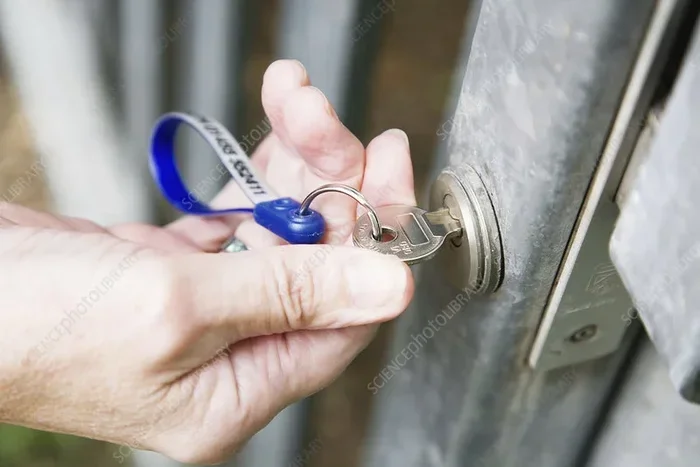
- Locate the lock cylinder. It is the small hole on the outside edge of the car door, usually near the handle.
- Align the key blade. The side with the manufacturer’s logo or the wider part of the blade should face up in most cars.
- Gently slide the key in. Do not force it. If it does not go in easily, pull it out and flip it over. You may have it upside down.
- Turn clockwise. For most car door locks, turning the key clockwise unlocks the door. Push the handle simultaneously if needed.
Exceptions: Cars That Unlock Counterclockwise
Not all cars follow the same rule. Some vehicles, particularly certain European models, require you to turn the key counterclockwise to unlock. Always check your owner’s manual if you are unsure. If you recently switched cars, the direction might feel different because each manufacturer designs their locks slightly differently.
Here are a few quick tips to help you figure out the correct direction:
- Look at the key blade carefully. The angled cuts usually point upward when the key is inserted correctly.
- Listen for a click. A clean click means the key is turning the right way. A grinding sound means something is wrong.
- Do not force the key. If it resists, stop. Forcing it can bend the key blade or damage the lock cylinder.
Expert Insight
Automotive locksmiths often see damaged locks caused by people forcing keys the wrong way. If your key does not go in smoothly, take a moment to reorient it. A few extra seconds can save you hundreds of dollars in lock repairs.
The Correct Direction to Turn Your Key in the Ignition
Once you are inside the car, the next step is starting the engine. The ignition lock cylinder is located on the steering column. Which way do you turn the key in the ignition to start the car? For the vast majority of vehicles, you turn the key clockwise from the ACC or Accessory position to the ON position, and then continue to the START position to fire up the engine.
Understanding Ignition Positions
Most car ignitions have four positions. Here is what each one does:
- Position 0 (LOCK): The key cannot be turned beyond this point. The steering wheel is locked.
- Position 1 (ACC): Accessories like the radio and power windows work. The engine is off.
- Position 2 (ON/RUN): All electrical systems are active. The dashboard lights up. The engine is ready to start.
- Position 3 (START): The starter motor engages and cranks the engine. The key will spring back to the ON position once you release it.
The turning direction from LOCK to ACC, and from ACC to ON, and from ON to START is almost always clockwise. The key naturally stops at each position. You do not need to force it past any point.
What If Your Key Sticks in the Ignition?
A stuck key in the ignition is frustrating but common. Here are the usual causes:
- The steering wheel is locked. When you turn off the car, the steering lock engages. Gently wiggle the steering wheel while turning the key to release it.
- The key is worn or damaged. Over time, the ridges on the key blade wear down. This prevents the pins in the cylinder from aligning properly.
- Debris in the lock cylinder. Dust, dirt, or small particles can get inside and block the key from turning. A small burst of compressed air can help clear it out.
- The ignition switch is failing. If none of the above apply, the ignition switch itself may need replacement by a qualified mechanic.
Quick Tips
- Never use a damaged or bent key in the ignition. It can break inside the cylinder and require professional extraction.
- If your car has a push-button start, you do not insert a key at all. Simply press the brake pedal and push the start button.
- Keep a spare key in a safe place. A spare can save you from being stranded if your primary key fails.
Common Key Problems and How to Fix Them
Even with the best care, car keys can develop problems over time. Understanding these issues helps you address them quickly and avoid getting locked out of your vehicle.
Key Won’t Go Into the Lock Cylinder
This is one of the most common complaints. The key physically will not go into the door lock or ignition. The most likely reasons are:
- The key is upside down or inserted at the wrong angle.
- The lock cylinder is frozen due to cold weather or moisture.
- The key blade is bent or worn and does not match the internal pins.
Fix it by: First, double-check the key orientation. Flip it over if needed. If cold weather is the issue, warm the key with your hands or use a lock de-icer spray. If the key is damaged, have it replaced or duplicated by a professional.
Key Turns but the Door Won’t Unlock
Sometimes the key turns freely but nothing happens. This usually means the door lock actuator has failed. The actuator is the small motor that physically moves the lock mechanism. When it breaks, turning the key does nothing.
Fix it by: You will need to replace the door lock actuator. This is a relatively affordable repair, but it requires removing the door panel. If you are not comfortable doing this yourself, a mechanic can handle it quickly.
The Key Fob Battery Is Dead
A dead key fob battery is one of the top reasons people get locked out of their cars. The fob simply stops sending a signal to the car’s central locking system.
Fix it by: Replace the battery inside the fob. Most fobs use a CR2025 or CR2032 coin cell battery. Open the fob with a small flathead screwdriver, swap the old battery for a new one, and test it. This simple fix takes less than two minutes.
Common Mistakes to Avoid
- Forcing the key. This is the number one mistake. If the key does not go in easily, stop and recheck the orientation.
- Using the wrong key. If you have multiple keys, make sure you are using the correct one for the specific lock.
- Ignoring warning signs. A key that is hard to turn or requires excessive force is telling you something. Address it before it becomes a bigger problem.
Modern Key Systems and Smart Key Technology
Car technology has changed dramatically in recent years. Many new vehicles no longer use a traditional key at all. Instead, they rely on keyless entry and push-button start systems. Understanding how these systems work helps you avoid confusion and lockouts.
How Keyless Entry Works
A keyless entry system uses a proximity sensor to detect your key fob. As long as the fob is within a few feet of the car, the doors unlock automatically when you press the handle or the button on the door. You do not even need to take the fob out of your pocket.
To start the engine, you simply press the start button while pressing the brake pedal. The car confirms the fob is inside and fires up the engine. It is fast, convenient, and increasingly standard across all vehicle brands.
What Happens When the Smart Key Battery Dies
Even smart keys have a backup plan. Most vehicles with smart key systems include a hidden mechanical key slot somewhere on the door handle or in the fob itself. If the fob battery dies, you can use this backup key to unlock the door manually.
Where is the backup key slot? It varies by manufacturer:
- Toyota and Lexus: The backup key is inside the fob. Insert it into a small slot on the door handle, usually near the door handle bottom.
- Honda and Acura: The backup key slides out of the fob. Use it in the lock cylinder on the door.
- Ford and Lincoln: Many models have a hidden slot behind the door handle cap. Pop the cap off to reveal the lock cylinder.
- BMW and Mercedes: Some models allow you to place the dead fob directly against the start button. The car reads the fob through the button.
Always check your vehicle’s owner manual to find the exact location of the backup key slot for your specific make and model.
Expert Tips to Keep Your Car Key Working Perfectly
Prevention is always better than repair. Taking care of your car keys and locks extends their lifespan and keeps you from getting stranded. Here are some expert-backed tips that every car owner should follow.
Maintain Your Key Fob Battery
Replace your key fob battery every 12 to 18 months, even if it still seems to work. A weakening battery can cause intermittent signal issues. You do not want to discover a dead battery when you are standing outside your car in the rain.
Keep Your Key Blade Clean
Over time, dirt and grime build up on the key blade. This can prevent the key from sliding smoothly into the lock cylinder. Wipe your key with a soft cloth every few weeks. If the key is really dirty, wash it with warm soapy water and dry it completely before inserting it.
Do Not Carry Too Many Keys on One Ring
Heavy keychains put extra stress on the key blade and the lock cylinder. The added weight can wear down the key cuts and make it harder to turn in the lock. Keep your car key on a separate, lightweight keychain.
Protect Your Key from Extreme Temperatures
Extreme heat and cold can damage both electronic key fobs and traditional keys. Do not leave your key fob in direct sunlight or in a freezing car overnight. Store it in a cool, dry place when possible.
Get Professional Key Programming When Needed
If you get a new key or key fob, make sure it is properly programmed to your vehicle. A non-programmed key will not start the engine or unlock the doors, even if it physically fits the lock. Many dealerships and locksmiths offer key programming services on-site.
Key Takeaways
- Always insert the key with the blade facing up for most car door locks.
- Turn the key clockwise to unlock the door in most vehicles.
- Turn the key clockwise in the ignition to start the engine.
- Modern key fobs and smart keys work differently but still have backup mechanical slots.
- Regular maintenance prevents most key-related problems.
Conclusion
Knowing which way do you unlock a key is one of those simple things that can make a huge difference in your daily driving experience. Whether you are using a traditional metal key, a remote key fob, or a modern smart key system, the principles remain the same. Insert the key correctly, turn it in the right direction, and maintain your equipment regularly.
Most car lock problems are preventable. A little awareness and a few minutes of maintenance go a long way. If you ever find yourself struggling with your key, slow down and reassess the situation. Forcing the key almost always makes things worse.
We hope this guide has given you the clarity and confidence you need. Now you know exactly how to unlock your car door, start your engine, and handle common key problems like a pro. Keep this information handy, share it with a friend who might need it, and enjoy a smoother, stress-free driving experience every single day.
FAQs
Which way do I turn my key to unlock the car door?
For most vehicles, you turn the key clockwise to unlock the car door. Insert the key with the blade facing up and turn it to the right. However, some European car models may require a counterclockwise turn. Always check your owner’s manual if you are unsure.
What do I do if my key won’t go into the door lock?
First, check the key orientation. You may have the key upside down or inserted at the wrong angle. Try flipping the key over and reinserting it gently. If it still does not go in, the lock cylinder may be frozen or the key may be damaged. Do not force it.
How do I unlock my car with a dead key fob battery?
Most key fobs have a hidden mechanical key blade inside them. Slide it out and use it to manually unlock the door through the lock cylinder on the door handle. The location of the backup slot varies by manufacturer, so check your owner’s manual for specifics.
Can I use any key to unlock my car door?
No. Each car key has a unique cut pattern that matches the pins inside your lock cylinder. Using the wrong key will not work and could damage the lock. Always use the key that came with your vehicle or have a replacement key properly cut by a professional.
Why does my key get stuck in the ignition?
The most common reason is that the steering wheel lock has engaged. Gently wiggle the steering wheel left and right while turning the key to release it. Other causes include a worn key blade, debris in the cylinder, or a failing ignition switch.
How often should I replace my key fob battery?
Replace your key fob battery every 12 to 18 months. Signs that the battery is dying include a weak signal, needing to press the button multiple times, or the fob not working at all. Most fobs use a common CR2025 or CR2032 battery that is easy to replace at home.