How to Change the Air Filter in Toyota Camry Step by Step
Changing the air filter in your Toyota Camry is one of the simplest and most impactful DIY maintenance tasks you can do. A clean air filter improves engine performance, fuel efficiency, and overall driving experience. This guide walks you through every step with clear instructions, helpful tips, and common mistakes to avoid.
Keeping your Toyota Camry in top shape starts with simple maintenance habits. One of the most overlooked yet essential tasks is changing the air filter. Many car owners ignore this small component until they notice a drop in performance or fuel economy. But here is the truth: a clean air filter can transform how your Camry drives. It is one of those rare car jobs that takes almost no time, costs very little, and delivers real results.
If you have been searching for how to change air filter in Toyota Camry, you are in the right place. This guide breaks down the entire process into easy-to-follow steps. Whether you are a complete beginner or a seasoned DIYer, you will find practical tips and clear instructions inside. Let us get into it and help your Camry breathe easier.
The air filter in your Toyota Camry plays a critical role in the engine’s health. It traps dust, dirt, pollen, and other particles before they enter the engine’s combustion chamber. Without a functioning air filter, these contaminants can cause serious damage over time. Think of it like a mask for your engine. Just as you would not want to breathe in polluted air all day, your engine does not want to suck in dirty air either.
Over time, the air filter collects debris and becomes clogged. When this happens, airflow to the engine decreases. Reduced airflow means the engine has to work harder to produce the same power. This leads to lower fuel efficiency, weaker acceleration, and increased emissions. In some cases, a severely dirty air filter can even trigger check engine lights or cause rough idling. The good news is that replacing the filter is quick and inexpensive.
Most Toyota owners do not realize how easy it is to handle this job at home. You do not need special skills or expensive tools. All you need is about 15 to 20 minutes, a replacement filter, and a willingness to get your hands a little dirty. By the end of this guide, you will feel confident tackling the job on your own.
Key Takeaways
- Easy DIY Task: You can change the air filter in your Toyota Camry at home with basic tools in under 30 minutes.
- Boosts Engine Performance: A clean air filter allows better airflow, improving horsepower and fuel efficiency.
- Saves Money: Doing it yourself costs a fraction of what a mechanic would charge.
- Prevents Costly Damage: A dirty air filter can let debris enter the engine, causing expensive repairs over time.
- Regular Maintenance Matters: Replacing the air filter every 15,000 to 30,000 miles keeps your Camry running at its best.
- Know Your Filter Type: Understanding the difference between engine air filters and cabin air filters helps you maintain both properly.
📑 Table of Contents
- Why Changing Your Toyota Camry Air Filter Matters
- Tools and Materials You Will Need
- Step-by-Step Guide to Changing the Air Filter
- How Often Should You Change the Air Filter?
- Engine Air Filter vs Cabin Air Filter
- Common Mistakes to Avoid When Changing the Air Filter
- Expert Tips for Getting the Most Out of Your Air Filter
- When to Seek Professional Help
- Conclusion
Why Changing Your Toyota Camry Air Filter Matters
Some car owners wonder if changing the air filter really makes a difference. The answer is a resounding yes. The air filter replacement is one of the most cost-effective maintenance tasks you can perform on your vehicle. Here is why it matters so much for your Toyota Camry.
Improved Engine Performance
Your engine needs a precise mix of air and fuel to run efficiently. When the air filter is clean, the right amount of air flows into the engine without restriction. This means better combustion, smoother acceleration, and more responsive handling. A clogged filter starves the engine of air, causing it to feel sluggish and weak. Many drivers notice a significant improvement in how their Camry feels on the road after a simple filter change.
Better Fuel Economy
A dirty air filter forces the engine to burn more fuel to compensate for reduced airflow. This can lower your miles per gallon by a noticeable margin. Over time, the money you spend on extra fuel adds up quickly. By keeping your air filter clean, you help your Camry sip fuel instead of guzzling it. If you want to learn more about maintaining your Toyota’s overall efficiency, check out how to check how much oil is left in your tank for another easy maintenance tip.
Longer Engine Life
Dust and debris that slip past a dirty air filter can cause abrasive wear on internal engine components. Over thousands of miles, this wear adds up and can lead to costly repairs. A clean air filter acts as a protective barrier, keeping harmful particles away from sensitive areas. Taking care of this simple task can help extend the life of your Toyota Camry for many years to come.
Reduced Emissions
A well-functioning air filter supports complete combustion, which reduces harmful emissions. If your air filter is clogged, the fuel-to-air ratio becomes imbalanced, leading to increased pollution. Keeping the filter clean is not just good for your car. It is also better for the environment.
Tools and Materials You Will Need
Before you start, gather everything you need. The good news is that the list is very short. You probably already have most of these items around the house.
- Replacement air filter: Make sure you get the correct size and type for your Toyota Camry model year. You can find this in your owner’s manual or at any auto parts store.
- Flathead screwdriver: Used for gently prying open the air filter housing clips.
- Clean cloth or rag: Useful for wiping out any debris from the air filter box.
- Flashlight: Helps you see inside the housing, especially in dim lighting.
- Owner’s manual: Your best reference for locating the exact filter housing in your specific Camry model.
You do not need any special mechanical tools for this job. No wrenches, no jacks, and no fancy equipment. The entire process is designed to be simple and accessible for every Toyota owner. If you are unsure about which air filter your Camry needs, you can visit this guide on finding the right air filter for your car before you start.
Step-by-Step Guide to Changing the Air Filter
Now for the part you have been waiting for. Follow these steps carefully, and you will have a brand-new air filter in your Toyota Camry in no time.
Step 1: Park Your Camry and Let the Engine Cool
Find a flat, stable surface to park your car. Turn off the engine and wait at least 10 to 15 minutes for it to cool down. The engine and surrounding components can get very hot during driving. Working on a warm engine increases the risk of burns and can also damage plastic clips and housing components. Patience here pays off.
Step 2: Locate the Air Filter Housing
Open the hood of your Toyota Camry and secure it with the prop rod. The air filter housing is typically located on top of the engine. It is usually a black, rectangular box with a large hose connected to the engine’s intake manifold. If you are having trouble finding it, refer to your owner’s manual for the exact location. In some Camry models, the housing is held in place by metal clips or screws.
Step 3: Open the Air Filter Housing
Once you have located the housing, look for the clips or screws that secure the lid. Most Toyota Camry models use simple metal or plastic clips. Use your flathead screwdriver to gently release these clips. Do not force anything. If a clip feels stuck, try wiggling it gently from side to side. The lid should lift off easily once all clips are released.
Step 4: Remove the Old Air Filter
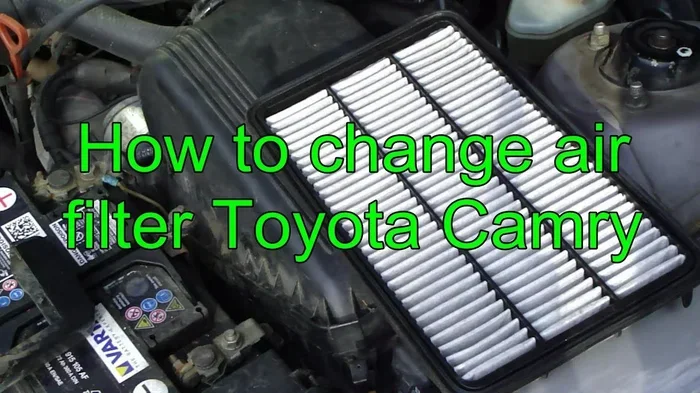
With the housing open, you will see the old air filter sitting inside. Carefully lift it out. Pay attention to how the filter sits in the housing so you can orient the new one correctly. Take a moment to inspect the old filter. Hold it up to a light source. If you cannot see light passing through, it is definitely time for a replacement. You can also tap the filter gently to release loose debris before disposing of it properly.
Step 5: Clean the Air Filter Housing
This is a step many people skip, but it is important. Use your clean cloth to wipe down the inside of the air filter housing. Remove any visible dirt, dust, or debris. Also, check the rubber gasket or seal around the housing lid. Make sure it is clean and free of cracks or damage. A proper seal ensures that unfiltered air does not bypass the new filter.
Step 6: Insert the New Air Filter
Take your new air filter out of the packaging. Make sure it matches the shape and size of the old one. Place it into the housing in the same orientation as the old filter. The filter should sit snugly without any gaps or bending. If the filter does not fit properly, double-check that you have the correct part number for your specific Camry model year.
Step 7: Close the Housing and Secure the Clips
Place the lid back onto the housing and press down firmly. Reattach all the clips or screws you removed earlier. Make sure everything clicks into place securely. A loose housing can allow unfiltered air to enter the engine, which defeats the entire purpose of having an air filter.
Step 8: Start the Engine and Test
Close the hood and start your Toyota Camry. Listen for any unusual sounds that might indicate something is not seated properly. Take the car for a short test drive and pay attention to how it responds. You should notice smoother acceleration and a more responsive feel. If anything sounds off, turn off the engine and double-check your work.
How Often Should You Change the Air Filter?
The general recommendation for Toyota Camry air filter replacement is every 15,000 to 30,000 miles. However, this can vary based on your driving conditions and habits. Here are some factors that can shorten the lifespan of your air filter:
- Driving in dusty or rural areas: More airborne particles mean the filter gets dirty faster.
- Stop-and-go city driving: Frequent idling and low speeds can cause more contaminants to accumulate in the filter.
- High pollen or pollution areas: Living near construction sites or in heavily polluted cities puts extra strain on the filter.
- Off-road driving: Dusty trails and unpaved roads expose the filter to significantly more debris.
A good rule of thumb is to inspect your air filter every time you get an oil change. If it looks dark, dirty, or clogged, go ahead and replace it. Do not wait for symptoms to appear. By the time you notice reduced performance, the filter has already been hurting your engine for a while.
For more information on how air filters affect your vehicle’s overall efficiency, you might find it helpful to read about whether a cabin air filter affects gas mileage. While this focuses on the cabin filter, the principles of airflow and filtration are very similar.
Engine Air Filter vs Cabin Air Filter
Many Toyota Camry owners confuse the engine air filter with the cabin air filter. These are two different components that serve two different purposes. Understanding the difference helps you maintain both properly.
The engine air filter cleans the air that enters the engine for combustion. It prevents dust and debris from damaging internal engine parts. The cabin air filter cleans the air that enters the passenger cabin through the ventilation system. It traps pollen, dust, and pollutants to keep the air inside your car clean and fresh.
Both filters need regular attention. A dirty engine air filter hurts performance and fuel economy. A dirty cabin air filter reduces air quality inside the car and can cause unpleasant odors. If you are unsure whether your cabin air filter needs replacing, check out this guide on signs your cabin air filter needs replacing. Keeping both filters in good shape ensures your Camry runs well and feels comfortable to drive.
Common Mistakes to Avoid When Changing the Air Filter
Even though this is a simple task, mistakes can happen. Here are some common errors to watch out for:
- Buying the wrong filter size: Always double-check the part number for your specific Camry model year. Using the wrong size can lead to poor filtration and airflow issues.
- Forcing the clips: Plastic clips can break if you use too much force. Be gentle and use the right tools.
- Forgetting to clean the housing: Dirt left inside the housing can contaminate the new filter almost immediately.
- Reusing the old filter: Some people think they can clean and reuse a paper air filter. Do not do this. Paper filters are designed for single use.
- Ignoring the rubber seal: A damaged or dirty seal can let unfiltered air bypass the filter entirely, making your replacement pointless.
- Waiting too long: Delaying air filter replacement leads to reduced performance, higher fuel costs, and potential engine damage over time.
Avoiding these mistakes ensures that your air filter change delivers the full benefits you expect. Take your time, follow each step carefully, and you will do the job right.
Expert Tips for Getting the Most Out of Your Air Filter
Want to go the extra mile for your Toyota Camry? Here are some expert tips that make a real difference:
- Keep spare filters in your trunk: Having a replacement filter on hand means you can change it immediately if it gets unexpectedly dirty during a road trip.
- Mark your calendar: Set a reminder on your phone for your next air filter inspection. Consistency is key to preventive maintenance.
- Consider a high-performance filter: Aftermarket filters like K&N offer improved airflow and are reusable after cleaning. They can be a great upgrade for enthusiasts.
- Inspect after dusty drives: If you have just driven through a construction zone or a dusty road, take a moment to check the filter when you get home.
- Pair it with other maintenance: Change your air filter at the same time as your oil change. It creates a routine and ensures you never forget either task.
These small habits add up over time. They keep your Camry running like new and help you avoid unexpected problems on the road.
When to Seek Professional Help
Changing the air filter in a Toyota Camry is straightforward for most models. However, there are situations where professional help makes sense. If you notice unusual noises after replacing the filter, it could indicate that something else is wrong with the intake system. Similarly, if you cannot locate the air filter housing or the clips are corroded and difficult to remove, a mechanic can handle the job quickly and safely. There is no shame in asking for help when needed. The important thing is that your Camry gets the care it deserves.
Regular maintenance goes beyond just the air filter. If you want to learn more about keeping your Toyota Camry in excellent condition for the long haul, check out whether a Toyota Camry can last 30 years for insights on long-term ownership and care strategies.
Conclusion
Changing the air filter in your Toyota Camry is one of the easiest and most rewarding maintenance tasks you can do yourself. It takes just minutes, costs very little, and delivers noticeable improvements in engine performance, fuel economy, and driving comfort. By following the steps in this guide, you can keep your Camry breathing clean and running strong for miles to come.
Do not underestimate the power of this simple habit. A clean air filter protects your engine, saves you money at the pump, and contributes to a better driving experience every single day. Grab your replacement filter, follow the steps above, and enjoy the satisfaction of taking care of your car with your own hands. Your Toyota Camry will thank you every time you turn the key.
Remember, maintenance is an investment. The small effort you put into changing your air filter pays off in the long run with a healthier, more efficient vehicle. Make it a regular part of your car care routine, and you will reap the benefits for years to come.
Frequently Asked Questions
How do I know if my Toyota Camry air filter needs replacing?
Common signs include reduced acceleration, lower fuel economy, a dirty-looking filter when you inspect it, and unusual engine sounds. If it has been more than 15,000 miles since your last replacement, it is a good idea to check the filter regardless of symptoms.
Can I wash and reuse my Toyota Camry air filter?
Most Toyota Camry air filters are paper-based and designed for single use. However, if you have a high-performance reusable filter like a K&N, you can wash and re-oil it following the manufacturer’s instructions. Always check your filter type before attempting to clean it.
How much does a Toyota Camry air filter cost?
A replacement air filter typically costs between $15 and $30 for most Toyota Camry models. This is a fraction of what a mechanic would charge, making it one of the most affordable DIY maintenance tasks available.
What happens if I drive with a dirty air filter?
A dirty air filter restricts airflow to the engine, causing reduced performance, lower fuel efficiency, and increased emissions. Over time, it can also lead to premature engine wear as dust and debris bypass the clogged filter and enter sensitive internal components.
Is changing the air filter the same as changing the cabin filter?
No, they are different. The engine air filter cleans air going into the engine, while the cabin air filter cleans air entering the passenger compartment. Both need regular replacement but serve entirely different purposes in your Toyota Camry.
Can a dirty air filter cause check engine light?
Yes, in some cases a severely clogged air filter can trigger the check engine light. Restricted airflow can upset the fuel-to-air ratio, causing the engine control module to detect an issue and illuminate the warning light on your dashboard.