Can I Drive My Car With Too Much Oil in the Engine
Driving with too much oil in the engine is risky and can cause serious damage over time. When oil levels exceed the maximum mark on the dipstick, it leads to oil foam, pressure problems, and potential engine failure. Understanding the signs of overfill and acting quickly can save you from costly repairs.
Have you ever topped off your engine oil and then wondered if you put in too much? It is a common concern for car owners. Can I drive my car with too much oil in it? The short answer is: it depends on how much is too much. A slight overfill may not cause immediate harm, but driving with significantly excess oil can lead to serious engine problems. In this guide, we will walk you through everything you need to know about overfilled engine oil, the risks involved, and how to fix the issue before it causes damage.
Oil is the lifeblood of your engine. It keeps all the moving parts lubricated, reduces friction, and helps regulate temperature. But like anything else, too much of a good thing can become a problem. When the oil level goes above the maximum mark on the dipstick, the entire lubrication system gets thrown off balance. Too much oil in the engine creates pressure issues, causes foaming, and can even push oil into places where it does not belong. Let us break down exactly what happens and what you should do about it.
Key Takeaways
- Overfilling oil causes foaming: Excess oil creates air bubbles that reduce lubrication and increase engine wear.
- Symptoms are easy to spot: Blue smoke, oil leaks, high pressure gauge readings, and unusual engine sounds all signal too much oil.
- Short distances may be okay: Driving a short distance with slightly overfilled oil is less risky, but you should still fix it promptly.
- DIY fix is simple: Draining excess oil or visiting a mechanic can resolve the issue quickly and affordably.
- Prevention is key: Always check the dipstick, add oil in small amounts, and follow your vehicle’s manual guidelines.
- Ignoring the problem is dangerous: Prolonged driving with too much oil can destroy the engine and lead to expensive repairs.
📑 Table of Contents
What Happens When You Overfill Engine Oil
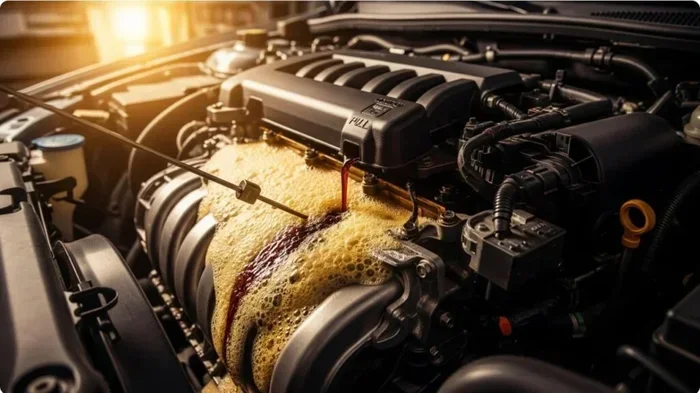
When you add more oil than your engine needs, the crankcase becomes overfull. The crankshaft, which spins rapidly inside the oil pan, starts churning through the excess oil. This creates a frothy, foamy mixture instead of the smooth, consistent lubrication your engine relies on. Oil aeration is the technical term for this, and it is the first step in a chain of problems.
Oil Foam and Reduced Lubrication
Foamy oil cannot lubricate engine parts properly. The air bubbles trapped in the oil reduce its ability to form a protective film between metal surfaces. This means increased friction, heat buildup, and accelerated wear on critical components like the crankshaft bearing and piston rings. Over time, this wear can lead to permanent engine damage.
Increased Oil Pressure
Excess oil takes up space that should be occupied by air. This reduces the volume available for oil to move freely, which increases pressure inside the oil system. High oil pressure can damage gaskets, seals, and even the oil filter. In extreme cases, it can cause the oil to find weak points and leak out of the engine.
Oil Leaking Past Seals and Gaskets
When internal pressure rises, oil gets pushed toward areas it should not reach. It can seep past valve cover gaskets, oil pan gaskets, and front or rear seals. This leads to oil seal leak problems, which are not only messy but also a sign that your engine is under undue stress.
Symptoms of Too Much Oil in Your Car
Detecting overfilled engine oil early can save you from expensive repairs. Here are the most common signs that your oil level is too high:
- Blue or white smoke from the exhaust: This happens when excess oil burns off on the cylinder walls or reaches the combustion chamber. If you see blue smoke from exhaust, check your oil level immediately.
- Oil smell inside or outside the car: Burning oil produces a distinct, unpleasant odor. If you notice this smell while driving or parked, do not ignore it.
- High oil pressure reading on the gauge: Some vehicles have an oil pressure gauge that will show elevated readings when there is too much oil.
- Oil leaks under the car: Excess pressure pushes oil past seals and gaskets, leading to visible drips or puddles on your driveway.
- Engine misfires or rough running: Oil fouling the spark plug can cause misfires, hesitation, or a rough idle.
- Unusual engine noises: Knocking or tapping sounds can indicate that foamy oil is not providing adequate lubrication.
Quick Tip
If you notice any of these symptoms, pull over safely and check your dipstick. Do not continue driving if the oil level is clearly above the maximum mark.
Can You Still Drive With Overfilled Oil
The answer to can I drive my car with too much oil in it depends on how far over the recommended level you are. A small overfill, say half a quart or less, is unlikely to cause immediate damage. However, anything more than that warrants attention before you start the engine.
When Short Drives Might Be Okay
If you accidentally added a little too much oil and need to drive a short distance to a repair shop, it is generally low risk. Keep the drive under a few miles and avoid high RPMs. The key is to get the problem fixed as soon as possible.
When You Should Not Drive At All
If the oil level is significantly above the max line, do not drive the vehicle. The risk of engine damage increases dramatically with the amount of excess oil. Foaming becomes severe, pressure builds rapidly, and oil can enter the combustion chamber in large quantities. This can lead to catalytic converter damage, which is an expensive repair.
Important: If you are unsure about your oil level, do not take chances. Have the vehicle towed to a mechanic or a quick-lube service.
Comparison: Slight Overfill vs. Significant Overfill
| Factor | Slight Overfill (Under 1/4 Qt) | Significant Overfill (Over 1/4 Qt) |
|---|---|---|
| Risk Level | Low | High |
| Engine Foaming | Minimal | Severe |
| Safe to Drive? | Short distances only | No |
| Likely Damage | None if fixed quickly | Possible engine and catalytic converter damage |
| Repair Cost | $20 – $50 (DIY drain) | $200 – $2,000+ |
How Too Much Oil Damages Your Engine
Understanding the damage mechanism helps you appreciate why too much oil in the engine is such a serious issue. Let us look at the specific components that are affected.
Crankshaft and Connecting Rod Damage
The crankshaft spins at thousands of revolutions per minute. When it sits in a pool of excess oil, it whips the oil into a froth. This aerated oil loses its lubricating properties. The connecting rod bearings, which depend on a steady oil film, start to wear. Over time, this wear leads to crankshaft bearing failure, which is one of the most expensive engine repairs.
Spark Plug Fouling
Excess oil can travel up past the piston rings and coat the spark plug electrodes. A fouled spark plug cannot ignite the fuel-air mixture properly. This leads to misfires, reduced engine performance, poor fuel economy, and rough idling. If left unchecked, it can cause carbon buildup that further damages the engine.
Catalytic Converter Failure
Oil that enters the combustion chamber burns along with fuel. This produces soot and residues that clog the catalytic converter. A clogged catalytic converter restricts exhaust flow, reduces engine power, and triggers the check engine light. Replacing a catalytic converter can cost anywhere from $500 to $2,500 or more, depending on your vehicle.
Gasket and Seal Failure
Constant high pressure from overfilled oil weakens gaskets and seals over time. Once these fail, oil leaks become a recurring problem. You may find oil spots on your garage floor, oil residue on engine components, or a persistent oil smell. Replacing gaskets and seals can range from a few hundred to over a thousand dollars.
Engine Misfire and Stalling
When oil interferes with the combustion process, it can cause the engine to misfire or stall. This is not just an inconvenience; it is a safety hazard. An engine that stalls unexpectedly at highway speeds can lead to accidents. If you experience engine misfire symptoms along with a high oil level, address the issue immediately.
How to Fix Overfilled Engine Oil
Good news: fixing overfilled engine oil is straightforward. You have two main options, and both are relatively simple.
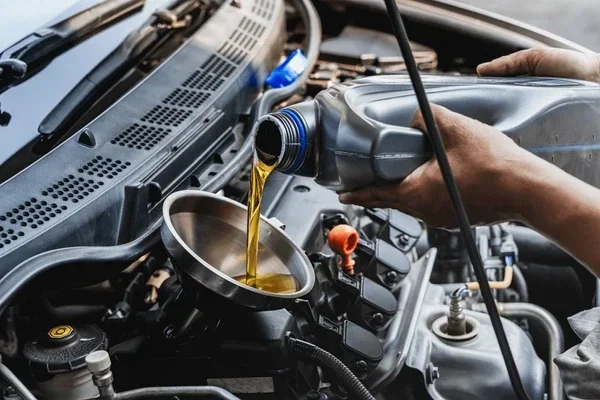
Option 1: Drain the Excess Oil Yourself
If you are comfortable working under your car, you can drain the excess oil yourself. Here is how:
- Park the car on a level surface and let the engine cool slightly.
- Locate the oil drain plug underneath the oil pan.
- Place a drain pan or container beneath the plug.
- Loosen the drain plug carefully and allow a small amount of oil to flow out.
- Check the level with the dipstick after draining a little at a time.
- Once the level is between the minimum and maximum marks, tighten the plug back up.
- Dispose of the excess oil properly at a recycling center or auto parts store.
Quick Tip: Add oil in small increments in the future. Use the dipstick after each addition to avoid overfilling.
Option 2: Visit a Mechanic or Quick-Lube Shop
If you prefer not to DIY, most mechanics and quick-lube shops can drain excess oil for a modest fee. Many places like Jiffy Lube or your local dealership will do this quickly, often for under $50. They have the proper equipment to suction out the excess oil without making a mess.
What to Do After Fixing the Oil Level
Once you have corrected the oil level, drive the car gently for a few minutes. This helps circulate the properly leveled oil through the engine. Check for any remaining symptoms like smoke or leaks. If the problem persists after draining the excess oil, you may have a deeper issue such as a piston ring problem or a faulty PCV valve. In that case, schedule a full inspection with a trusted mechanic.
Preventing Oil Overfill in the Future
Prevention is always better than cure. Here are practical steps to ensure you never deal with overfilled engine oil again:
- Always use the dipstick: Never add oil blindly. Pull the dipstick, wipe it clean, reinsert it, and check the reading before and after each addition.
- Add oil in small amounts: Pour in about a quarter at a time, then recheck the level. This gives you precise control.
- Follow your owner’s manual: Every vehicle has a specific oil capacity. Check your manual for the exact amount and type of oil your engine needs.
- Keep records: Note the date and amount of oil you add each time. This helps you track consumption and spot unusual patterns early.
- Use the right oil viscosity: Using oil that is too thick or too thin can affect how the level reads on the dipstick. Stick with the manufacturer’s recommendation.
- Check oil when the engine is cool: For the most accurate reading, check oil when the engine has been off for a few minutes. Hot oil expands and can give a false reading.
Expert Insight
Many experienced mechanics say that the most common cause of overfill is simply adding oil without checking in between. It is tempting to pour quickly and move on, but taking those extra 60 seconds to check the dipstick can save you hundreds of dollars in repairs. Oil viscosity and temperature also play a role in how the level reads, so consistency in how you check matters.
Common Mistakes to Avoid
- Topping off without checking: Never assume you need more oil without verifying the current level.
- Confusing the min and max marks: The max mark is your upper limit. Do not aim for it; aim for somewhere in the middle between min and max.
- Ignoring the oil change interval: Old oil breaks down and can affect level readings. Stick to your recommended oil change schedule.
- Using the wrong oil type: Different oils have different densities and expansion rates. Always use the oil type specified by your manufacturer.
Conclusion
So, can I drive my car with too much oil in it? The answer is nuanced. A tiny overfill is unlikely to cause immediate harm, but anything more than a small amount should be corrected before you drive. Too much oil in the engine leads to foaming, pressure buildup, leaks, and potentially catastrophic engine damage. The symptoms are clear, the fix is simple, and the prevention is easy.
The best approach is always to be proactive. Check your oil regularly, add it in small amounts, and never ignore warning signs like blue smoke or oil leaks. Your engine is a significant investment, and keeping the oil level in the right range is one of the simplest and most effective ways to protect it. Take a few minutes today to check your oil level, and you will save yourself from headaches and expensive repairs down the road.
Frequently Asked Questions
What happens if you drive with too much oil in your car?
Driving with too much oil causes the crankshaft to churn the excess oil into a froth. This foamy oil loses its lubricating ability, which increases friction and wear on engine parts. Over time, it can lead to oil leaks, engine misfires, and even catalytic converter damage.
How much oil overfill is dangerous?
Generally, an overfill of more than a quarter quart is considered dangerous. A slight excess of half a quart or less may not cause immediate issues, but anything beyond that increases the risk of foaming, high pressure, and oil leaks. Always drain excess oil promptly.
Can too much oil cause a car to stall?
Yes, excess oil can cause stalling. When oil enters the combustion chamber and fouls the spark plugs, the engine may misfire or stall. Oil foaming can also disrupt proper oil pressure, which may cause the engine to shut down unexpectedly.
How do you remove excess oil from an engine?
You can remove excess oil by draining it through the drain plug underneath the oil pan. Alternatively, many mechanics and quick-lube shops can suction out the excess oil using a pump. Both methods are quick and typically cost between $20 and $50.
Will a little too much oil burn off on its own?
A very slight overfill may burn off gradually through normal engine operation, but this is not recommended. The foaming and pressure issues can cause damage even with a small excess. It is always best to correct the oil level manually rather than waiting for it to burn off.
How often should you check your engine oil level?
You should check your engine oil level at least once a month and before any long trips. Checking it regularly helps you catch overfills, underfills, and leaks early. Always check the oil when the engine is cool and the car is parked on a level surface for the most accurate reading.