Can You Drive With a Bad Transmission and Why It Matters
Driving with a bad transmission is risky and can lead to costly damage or complete vehicle failure. A transmission problem affects gear shifting, power delivery, and overall safety on the road. Understanding the warning signs and knowing when to stop driving can save you thousands in transmission repair costs.
You are driving down the road, and your car starts acting strange. Maybe it hesitates when you shift gears. Perhaps you hear a weird grinding noise coming from underneath. Your mind races with one thought: Can you drive with a bad transmission?
The short answer is technically yes, but it is a very bad idea. Driving with a bad transmission puts you at risk and can turn a small repair into a massive expense. This article breaks down everything you need to know about transmission problems, the dangers of driving with one, and what you should do next.
Whether you drive an automatic transmission or a manual transmission, your gearbox is one of the most important parts of your vehicle. It controls how power flows from the engine to the wheels. When it starts to fail, your entire driving experience changes. Let us explore what that means for you and your wallet.
Key Takeaways
- Short-distance driving is possible: In some cases, you can drive a short distance with a failing transmission, but it is not recommended.
- Warning signs are clear: Slipping gears, delayed shifting, and strange noises all point to a transmission problem.
- Ignoring the issue makes it worse: Continuing to drive with a bad transmission can cause catastrophic drivetrain damage.
- Cost varies widely: Transmission repair costs range from a few hundred dollars for a simple fix to several thousand for a full transmission rebuild.
- Safety first: A failing transmission can cause sudden loss of power, making driving dangerous.
- Regular maintenance helps: Routine transmission fluid changes and transmission flushes can prevent many transmission problems.
- Know when to stop: If your check engine light is on and you notice grinding or shaking, pull over and get help immediately.
📑 Table of Contents
- What Does a Bad Transmission Feel Like?
- Can You Actually Drive With a Bad Transmission?
- How Much Does Transmission Repair Cost?
- What Happens If You Keep Driving?
- How to Prevent Transmission Problems
- When to See a Mechanic
- Transmission Repair vs. Replacement: Making the Decision
- Key Takeaways
- FAQ
- Conclusion
What Does a Bad Transmission Feel Like?
Before you decide to keep driving, you need to recognize the signs of a transmission problem. Many drivers ignore early warning signals because they seem minor. That is a big mistake.
Common Warning Signs
Your vehicle will tell you when something is wrong. You just need to listen. Here are the most common signs that your transmission is failing:
- Slipping gears: Your car unexpectedly changes gears on its own. This feels like the engine revs but the speed does not match.
- Delayed engagement: There is a long pause before the car moves when you shift from park to drive.
- Grinding or shaking: You feel vibrations or harsh grinding when shifting between gears.
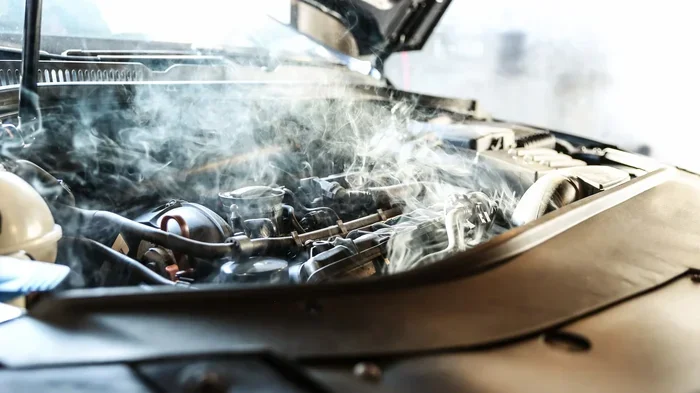
- Burning smell: A hot, burnt odor coming from under the hood often means your transmission fluid is overheating.
- Fluid leaks: Red or brown puddles under your parked car indicate a transmission leak.
- Check engine light: Your dashboard warning light may turn on when the transmission control module detects a problem.
- Unusual noises: Whining, buzzing, or clunking sounds that did not exist before.
Why These Signs Matter
Each of these symptoms points to a different type of transmission problem. Slipping gears, for example, might mean your transmission solenoid is failing. A burning smell could mean your transmission fluid levels are too low or the fluid is old and degraded. A transmission leak might seem small, but losing fluid leads to increased friction and heat inside the drivetrain.
The torque converter is another component to watch. In vehicles with an automatic transmission, the torque converter transfers power from the engine to the transmission. When it fails, you may feel shuddering or vibration at higher speeds. Ignoring this can lead to a full transmission failure.
Can You Actually Drive With a Bad Transmission?
Here is the honest truth. You might be able to drive a short distance with a bad transmission, but you should not. Let us look at why and what the risks are.
Short-Distance Driving
If you are stranded and need to get to a nearby mechanic, a short drive of a few blocks might be okay. But even then, you need to be careful. Drive slowly. Avoid hard acceleration. And pay close attention to how the car behaves. If things get worse, pull over safely and call for help.
Short-distance driving with a transmission problem is like walking on a sprained ankle. You can do it, but you are making the injury worse. The same logic applies to your vehicle.
Long-Distance Driving
Do not attempt long-distance trips with a bad transmission. Extended driving puts more stress on an already damaged drivetrain. The heat builds up, the transmission fluid breaks down faster, and internal components wear out even more quickly.
What could start as a simple transmission repair might turn into a full transmission rebuild or even a complete transmission replacement. That is a difference between a few hundred dollars and several thousand dollars.
The Risk of Sudden Failure
The scariest part of driving with a bad transmission is sudden failure. Imagine you are on a highway, and your car loses all power. You cannot shift gears. The engine revs but the wheels do not respond. This is not just inconvenient. It is dangerous.
Sudden transmission failure can happen without warning, especially if you have been ignoring the signs. Your vehicle could stall in traffic, on a highway merge, or at a busy intersection. That is a risk no one should take.
How Much Does Transmission Repair Cost?
Cost is one of the biggest concerns for drivers facing a bad transmission. The truth is, the price varies a lot depending on the type of problem and your vehicle.
Minor Repairs
Some transmission problems are easy and affordable to fix. For example:
- Transmission fluid change: A simple transmission flush or fluid replacement costs between $100 and $250. This can solve many early-stage issues.
- Sensor replacement: A faulty transmission solenoid or sensor might only cost $150 to $400 to replace.
- Gasket or seal repair: Fixing a transmission leak with a new gasket or seal typically runs $150 to $300.
Major Repairs
When the damage is more severe, costs go up significantly:
- Clutch replacement (manual transmission): This repair typically costs between $1,200 and $2,000.
- Torque converter replacement: Expect to pay $600 to $1,000 for parts and labor.
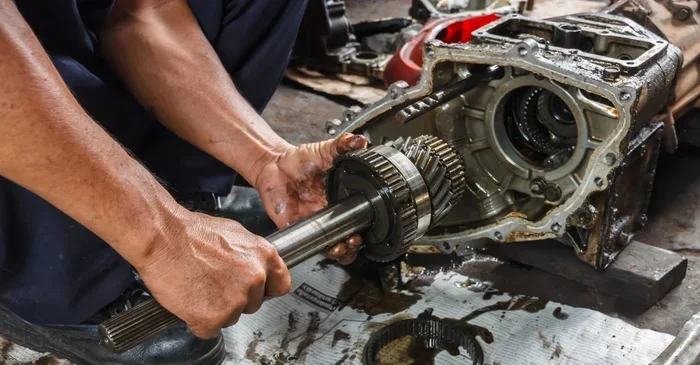
- Transmission rebuild: A full transmission rebuild can range from $2,500 to $4,500.
- Transmission replacement: A brand-new or remanufactured transmission can cost anywhere from $4,000 to $8,000 or more.
Comparison Table
| Repair Type | Average Cost | Severity |
|---|---|---|
| Transmission Fluid Change | $100 – $250 | Low |
| Solenoid Replacement | $150 – $400 | Low to Medium |
| Gasket/Seal Repair | $150 – $300 | Medium |
| Clutch Replacement | $1,200 – $2,000 | High |
| Torque Converter Replacement | $600 – $1,000 | Medium to High |
| Transmission Rebuild | $2,500 – $4,500 | Very High |
| Transmission Replacement | $4,000 – $8,000+ | Critical |
As you can see, the cost of transmission repair depends entirely on how early you catch the problem. A simple transmission flush is a fraction of the cost of a full transmission rebuild. This is why paying attention to warning signs matters so much.
What Happens If You Keep Driving?
This is the question every driver with a bad transmission should ask themselves. The answer is not pretty.
Progressive Damage
A transmission problem does not stay the same. It gets worse over time. What starts as a slight slip in third gear can become a complete failure that leaves you stranded. Every mile you drive with a damaged drivetrain causes more wear on internal components like gears, bearings, and clutch packs.
The transmission fluid also suffers. When the transmission is not working properly, the fluid heats up beyond normal temperatures. This breaks down the fluid faster and reduces its ability to lubricate and cool the internal parts. It becomes a vicious cycle of damage.
Impact on Other Vehicle Systems
A failing transmission does not just affect the gearbox itself. It can damage other parts of your vehicle too. The drivetrain, axles, and even the engine can suffer secondary damage. For example, if your automatic transmission slips frequently, the engine works harder to compensate. This leads to increased fuel consumption and potential engine strain over time.
In manual transmission vehicles, a worn clutch can damage the flywheel. Replacing a flywheel adds significant cost to an already expensive repair bill. So the damage spreads far beyond just the transmission itself.
Safety Hazards
Let us be very clear about this. Driving with a bad transmission is a safety hazard. You lose control over how your vehicle accelerates and decelerates. In an emergency situation, you need your car to respond immediately. A transmission problem can delay or prevent that response.
Imagine you need to merge onto a highway quickly. Your car hesitates or fails to shift into the right gear. Or worse, the transmission drops out of gear entirely. These scenarios are terrifying and very real for drivers who ignore transmission warning signs.
How to Prevent Transmission Problems
The best way to deal with a bad transmission is to prevent one from happening in the first place. Regular maintenance goes a long way toward keeping your drivetrain healthy and strong.
Regular Fluid Changes
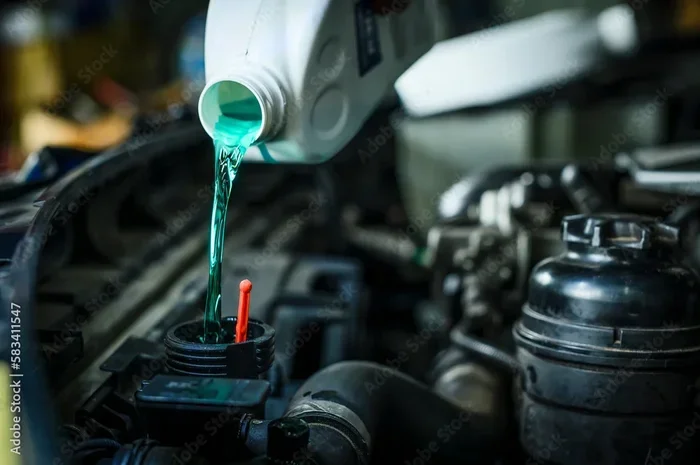
Your transmission fluid is the lifeblood of your gearbox. It lubricates moving parts, cools the system, and helps with smooth gear changes. Over time, this fluid breaks down and loses its effectiveness. Most manufacturers recommend changing your transmission fluid every 30,000 to 60,000 miles. Check your owner’s manual for the exact interval for your specific vehicle.
A routine transmission flush replaces old, contaminated fluid with fresh fluid. This simple maintenance task can prevent many common transmission problems and extend the life of your gearbox significantly.
Watch for Leaks
Check under your car regularly for any signs of fluid leaks. Transmission fluid is typically red or brown and has a slightly sweet smell. If you notice a puddle forming where you park, get it checked right away. A small transmission leak can become a major problem fast if the fluid level drops too low.
Drive Gently
Harsh driving habits put extra stress on your transmission. Avoid sudden acceleration and aggressive shifting. If you drive a manual transmission vehicle, do not ride the clutch. And never shift from reverse to drive while the car is still moving. These habits might seem harmless, but they add up over time and accelerate wear on your drivetrain.
Address Warning Signs Immediately
The moment you notice any transmission warning signs, take action. Do not wait and hope the problem goes away. Early intervention is the key to keeping transmission repair costs low. A quick visit to your mechanic can catch a small issue before it becomes a major repair job.
When to See a Mechanic
Knowing when to seek professional help is critical. Some transmission problems can wait a day or two. Others need immediate attention.
Urgent Situations
You should see a mechanic right away if you experience any of the following:
- Your car completely refuses to shift gears.
- You smell burning fluid while driving.
- Your vehicle shakes violently at any speed.
- The check engine light is flashing, not just steady.
- You hear loud clunking or grinding noises while driving.
- Your transmission fluid is completely dark or smells burnt.
Non-Urgent but Important Situations
Some signs are not emergencies, but they still need attention soon:
- Slight delays when shifting from park to drive.
- Minor slipping that happens occasionally.
- A small fluid leak that you have noticed.
- Slight hesitation during acceleration.
Even these less urgent signs should be checked within a few days. Catching a transmission problem early is always better and cheaper than dealing with the consequences of neglect.
Transmission Repair vs. Replacement: Making the Decision
When your mechanic tells you that your transmission needs major work, you face a tough decision. Should you repair it, rebuild it, or replace it entirely?
Factors to Consider
Several factors influence this decision:
- Vehicle age and mileage: If your car is older with high mileage, a full transmission replacement might not make financial sense.
- Overall vehicle condition: If the rest of the car is in great shape, investing in a transmission rebuild can make a lot of sense.
- Repair cost vs. replacement cost: Compare the estimated repair price against the cost of a replacement transmission. Sometimes the numbers speak for themselves.
- Your budget: Be realistic about what you can afford. A transmission rebuild is often the sweet spot between cost and reliability.
Expert Insight
Many experienced mechanics recommend a transmission rebuild over a full replacement when the damage is significant but the core transmission housing is still in good condition. A rebuild replaces only the worn parts, which saves money while still giving you a reliable gearbox. A full replacement, on the other hand, gives you a fresh start with a remanufactured or new unit.
Whatever you decide, get at least two or three quotes from trusted mechanics. Prices can vary widely, and you want to make sure you are getting fair value for the work being done.
Key Takeaways
- Short-distance driving is possible: In some cases, you can drive a short distance with a failing transmission, but it is not recommended.
- Warning signs are clear: Slipping gears, delayed shifting, and strange noises all point to a transmission problem.
- Ignoring the issue makes it worse: Continuing to drive with a bad transmission can cause catastrophic drivetrain damage.
- Cost varies widely: Transmission repair costs range from a few hundred dollars for a simple fix to several thousand for a full transmission rebuild.
- Safety first: A failing transmission can cause sudden loss of power, making driving dangerous.
- Regular maintenance helps: Routine transmission fluid changes and transmission flushes can prevent many transmission problems.
- Know when to stop: If your check engine light is on and you notice grinding or shaking, pull over and get help immediately.
FAQ
How far can you drive with a bad transmission?
It depends on the severity of the problem. In mild cases, you might be able to drive a few miles cautiously. But in serious cases, even a short drive can cause further damage. The safest approach is to have your vehicle towed to a mechanic if you suspect a transmission problem.
What are the first signs of transmission failure?
The earliest signs include slipping gears, delayed engagement, and unusual noises like whining or clunking. You might also notice a burning smell or see red fluid leaking under your car. Catching these transmission warning signs early can save you from expensive transmission repair costs later.
Is it safe to drive with a slipping transmission?
No, it is not safe. A slipping transmission means your vehicle can unexpectedly lose power or shift into the wrong gear. This creates a serious safety risk, especially at higher speeds or in heavy traffic. Stop driving and seek professional help immediately.
Can low transmission fluid cause a bad transmission?
Yes, absolutely. Low transmission fluid is one of the most common causes of transmission problems. Without enough fluid, the internal components cannot lubricate properly, leading to increased friction, heat, and eventual damage. Check your fluid level regularly and top it off as needed.
How much does it cost to fix a bad transmission?
The cost varies widely depending on the damage. A simple transmission fluid change might cost $100 to $250. A full transmission rebuild can range from $2,500 to $4,500. And a complete transmission replacement can exceed $5,000. Regular maintenance is the best way to avoid these high costs.
Can a transmission go from bad to completely dead overnight?
Yes, it can. A transmission that is already in poor condition can fail suddenly and completely, especially under stress. This often happens when drivers continue to push a failing drivetrain by driving long distances or hauling heavy loads. If your transmission is showing signs of trouble, do not wait for it to fail entirely.
Conclusion
The answer to the question Can you drive with a bad transmission? is a cautious no. While you might be able to limp to a nearby shop in some situations, driving with a bad transmission is risky, expensive, and potentially dangerous. Your transmission is the heart of your vehicle’s drivetrain, and ignoring problems only leads to bigger issues down the road.
Pay attention to the warning signs. Do not ignore slipping gears, strange noises, or fluid leaks. Keep up with regular transmission fluid changes and transmission flushes. And when something feels wrong, get it checked out quickly.
Taking care of your transmission now saves you from headaches, dangerous situations, and massive repair bills later. Your vehicle, your wallet, and your safety will all thank you for it.