Does Changing the Cabin Air Filter Make the Car Smell Better
Yes, changing the cabin air filter can make your car smell significantly better. A dirty cabin filter traps dust, pollen, and mold that cause musty odors inside your vehicle. Regular cabin air filter replacement removes trapped pollutants, restores proper airflow, and keeps your car interior smelling clean and fresh.
Key Takeaways
- A dirty cabin air filter is one of the top causes of bad smells inside your car. When the filter gets clogged with debris, mold and bacteria build up and push foul odors through your vents.
- Replacing the cabin filter removes trapped pollutants and eliminates musty odors at the source. A new filter restores clean airflow and significantly improves car air quality.
- Not all cabin filters are the same. Activated carbon filters and HEPA cabin filters offer superior odor control compared to standard particulate filters.
- Most drivers should replace their cabin filter every 12,000 to 15,000 miles. Driving in heavy traffic or polluted areas may require more frequent cabin air filter replacement.
- Signs your cabin filter needs changing include weak airflow, musty smells, and increased allergy symptoms. Catching these early prevents costly HVAC system repairs.
- Changing the cabin air filter is a simple DIY task. Most vehicles allow you to swap the filter in under 15 minutes with basic tools.
📑 Table of Contents
- What Is a Cabin Air Filter and Why Does It Matter?
- How a Dirty Cabin Air Filter Causes Bad Smells
- Does Changing the Cabin Air Filter Actually Eliminate Odors?
- Signs Your Cabin Air Filter Needs Replacement
- How to Choose the Right Cabin Air Filter for Odor Control
- Step-by-Step Guide to Changing Your Cabin Air Filter
- The Bigger Picture: How Cabin Filters Affect Your Health
- Conclusion
What Is a Cabin Air Filter and Why Does It Matter?
Your car has a cabin air filter. Most drivers never think about it until something smells wrong. This small filter sits behind your glove box or under your dashboard. It cleans the air that flows into your car interior. Every breath you take inside your vehicle passes through this filter.
The cabin air filter does a big job. It catches dust, pollen, mold spores, and pollution. Without it, your car air quality would be much worse. Think of it like the vacuum cleaner for your car’s breathing system.
There are different types of filters available. Standard particulate filters catch dust and pollen. Activated carbon cabin filters go a step further. They absorb odors, gases, and harmful fumes. Some filters even use HEPA cabin filter technology. These trap tiny particles that standard filters miss.
Here is something many car owners do not know. Your HVAC system relies on a clean filter to work properly. When the filter gets dirty, everything suffers. Airflow drops. The system works harder. And your car starts to smell bad.
The cabin filter cost is very low compared to the benefits. Most filters cost between 15 and 50 dollars. You can do the job yourself or visit a quick-service shop. Either way, the payoff is huge. Fresh air, better smells, and a healthier driving environment.
How a Dirty Cabin Air Filter Causes Bad Smells
So what happens when your cabin filter gets old? The answer is simple but kind of gross. The filter collects all kinds of debris over time. Dirt, leaves, moisture, and pollen build up inside the filter. This creates the perfect home for bacteria and mold.
The Mold and Bacteria Connection
When moisture gets trapped in the filter, mold starts to grow. This is especially common in humid climates. The mold spores then blow through your air vents every time you turn on the fan. That is where the musty smell in car comes from.
Bacteria thrive in the same conditions. They feed on organic matter trapped in the filter. As they multiply, they release gases that smell terrible. This is not just unpleasant. It can also affect your health.
Restricted Airflow Makes Odors Worse
A clogged filter blocks airflow through your AC system. When air cannot move freely, it gets trapped. Stale air sits in your dashboard vents. This makes the bad smell linger longer. You might notice the odor gets stronger when you first start driving.
Restricted airflow also means your air conditioning system works harder. The evaporator coil gets cold and damp. This adds even more moisture to the problem. Over time, the entire ventilation system becomes a breeding ground for bad smells.
Common Sources of Unpleasant Car Odor
Several things contribute to a dirty cabin filter causing bad smells:
- Dust and pollen buildup that decomposes inside the filter
- Moisture and condensation that promotes mold growth
- Road debris like leaves and dirt that collect in the filter
- Exhaust fumes that get trapped instead of being filtered out
- Animal droppings or nest materials that find their way into the filter housing
All of these combine to create that awful unpleasant car odor you cannot seem to get rid of. Many people spray air fresheners to cover the smell. But that just masks the real problem. The real fix is cabin air filter replacement.
Does Changing the Cabin Air Filter Actually Eliminate Odors?
This is the question most car owners want answered. The short answer is yes. A new cabin filter makes a real difference. But let us look at exactly how and why this works.
The Science Behind Fresh Air
When you install a new cabin air filter, you remove the source of the bad smell. The old filter is full of trapped pollutants. It is literally a sponge of dust, mold, and bacteria. Replacing it means all that gunk goes away with the old filter.
A fresh filter also restores proper airflow. Your ventilation system can breathe again. Air moves freely through the vents. This helps clear out stale air that has been sitting in your dashboard. You will notice the difference almost immediately.
What to Expect After Replacement
Most drivers notice a significant improvement right away. The musty car smell fades within a few hours of driving. Airflow feels stronger and more consistent. Your car interior smell becomes noticeably fresher.
Here are some real-world results people report after cabin filter replacement:
- The air vents smell clean instead of musty
- Allergy symptoms decrease, especially during pollen season
- The car feels less stuffy and more comfortable
- Air conditioning performance improves
- Windows fog up less because the system works efficiently
However, there is one important caveat. If the smell does not go away after replacing the filter, there may be another issue. Mold could be growing inside the AC evaporator. There could be a dead animal in the ventilation ducts. Or there might be a spill somewhere in the car that needs cleaning. In these cases, cabin air filter replacement helps but does not solve everything.
When a New Filter Is Not Enough
Sometimes the problem goes deeper than the filter. If mold has spread to the evaporator core, you need professional cleaning. If there is trapped moisture in the ductwork, that needs attention too. But here is the good news. In most cases, a simple dirty cabin filter is the culprit. And replacing it fixes the problem completely.
Signs Your Cabin Air Filter Needs Replacement
How do you know it is time for a change? Your car gives you clear signals. Watch for these warning signs of a clogged cabin air filter:
Weak or Reduced Airflow
This is the most obvious sign. When you turn on the fan, the air feels weak. It takes longer for the car to heat up or cool down. This happens because the dirty filter blocks air from passing through. Reduced airflow also puts extra strain on your HVAC blower motor.
Unusual Smells From the Vents
A musty, dusty, or stale smell coming from your vents is a red flag. If the smell gets worse when you first turn on the AC, the filter is likely the problem. Do not ignore this. Bad smells only get worse over time.
Increased Allergy Symptoms
If you notice more sneezing, itchy eyes, or congestion while driving, check your cabin filter. A dirty filter cannot trap allergens properly. Pollen, dust, and other particles blow directly into your car. This is especially problematic during allergy season.
Noisy blower motor
A clogged filter makes the blower motor work harder. You might hear unusual rattling or whining sounds. This is the motor struggling to push air through the dirty filter. Ignoring this can lead to expensive motor repairs.
Visible Dirt on the Filter
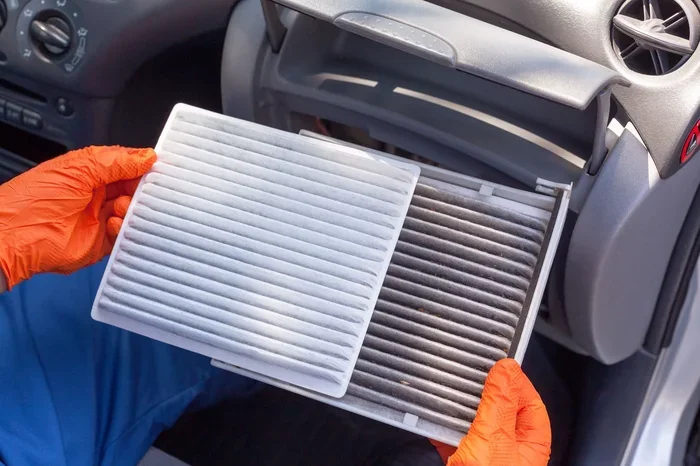
If you can access the filter, take a look at it. A clean filter looks white or light gray. A dirty filter looks dark brown or black. If you see visible debris, it is time for a change.
How Often Should You Replace It?
Most manufacturers recommend replacing the cabin filter every 12,000 to 15,000 miles. But your driving conditions matter. If you drive in heavy traffic often, replace it more frequently. Living near construction sites or dusty roads also means more frequent changes. City drivers should consider replacing the filter every 10,000 miles. Highway drivers can often stretch it to 20,000 miles.
How to Choose the Right Cabin Air Filter for Odor Control
Not all cabin filters are created equal. Choosing the right one makes a big difference in odor elimination and overall air quality.
Standard Particulate Filters
These are the basic, most affordable option. They catch dust, pollen, and large particles. They do a decent job but do not do much for odors. If you just need basic filtration, these work fine.
Activated Carbon Filters
These are the best choice for smell control. The activated carbon layer absorbs gases, fumes, and odors. They are excellent for people who live near highways or industrial areas. If bad smells are your main concern, go with activated carbon.
HEPA Cabin Filters
HEPA cabin filters trap the smallest particles. They are great for allergy sufferers and people with respiratory issues. They also help with odor control because they capture more pollutants overall. They cost a bit more but offer superior performance.
Combination Filters
Some filters combine activated carbon with HEPA technology. These offer the best of both worlds. They trap particles and absorb odors simultaneously. They are worth the extra cost if you want maximum fresh air inside car benefits.
Quick Tips for Choosing the Right Filter
- Check your owner manual for the recommended filter type
- Buy from reputable brands to ensure quality filtration
- Do not go too cheap. Very low-cost filters may not perform well
- Consider your driving environment when choosing
- Look for filters with antimicrobial coatings for extra protection
Step-by-Step Guide to Changing Your Cabin Air Filter
Good news. Changing your cabin air filter is one of the easiest DIY car maintenance tasks. Most people can do it in 10 to 15 minutes. No special tools are needed in most cases.
What You Will Need
- The correct cabin filter for your vehicle (check your owner manual or look up your car model)
- A Phillips head screwdriver or nut driver (sometimes needed)
- A vacuum cleaner (optional but helpful)
- A clean cloth or paper towel
Step 1: Find the Filter Housing
The filter location varies by car. In most vehicles, it is behind the glove box. In some cars, it is under the hood near the windshield. Check your owner manual to find the exact location for your vehicle.
Step 2: Remove the Old Filter
Open the glove box and push it all the way in. You will usually see clips or screws holding the filter cover in place. Remove the screws or release the clips. Pull out the old filter carefully. Notice which direction the airflow arrow points. You will need to match this with the new filter.
Step 3: Clean the Housing
Before inserting the new filter, vacuum out the housing. Use a damp cloth to wipe away any dust or debris. This helps the new filter work better and last longer.
Step 4: Insert the New Filter
Place the new cabin air filter in the housing. Make sure the airflow arrow points in the correct direction. Push it in firmly until it seats properly. Reattach the cover and secure all clips or screws.
Step 5: Test the System
Turn on your car and set the fan to high. Check for proper airflow from all vents. The air should feel stronger and cleaner than before. You may notice a slight paper smell from the new filter. This is normal and goes away after a few minutes of driving.
Common Mistakes to Avoid
- Installing the filter backwards. Always check the airflow direction arrow.
- Forgetting to clean the housing. Debris left behind can contaminate the new filter.
- Using the wrong filter size. A filter that is too small will not seal properly.
- Ignoring the replacement schedule. Set a reminder on your phone or calendar.
Following these steps keeps your car air quality high and your car interior smell fresh. It is one of the simplest things you can do for your vehicle.
The Bigger Picture: How Cabin Filters Affect Your Health
Fresh air inside your car is not just about pleasant smells. It is about your health. The air inside a car can be more polluted than the air outside. A clean cabin filter makes a huge difference in what you breathe.
People with asthma or allergies benefit the most from regular cabin filter replacement. Pollutants like exhaust fumes, particulate matter, and pollen can trigger serious reactions. A clean filter keeps these harmful particles out of your breathing space.
Children and elderly passengers are especially vulnerable. Their immune systems are more sensitive to poor air quality. Taking a few minutes to change the filter can protect everyone in the car.
Regular AC system maintenance goes hand in hand with filter replacement. Have your AC system inspected annually. Clean the evaporator coils if needed. Check for mold or bacterial growth in the ducts. Together, these steps ensure your ventilation system delivers the cleanest possible air.
The bottom line is simple. A clean cabin filter means better air quality. Better air quality means a healthier ride. It also means your car smells better. These are all connected. One simple maintenance task creates a ripple effect of benefits.
Conclusion
Does changing the cabin air filter make the car smell better? Absolutely. A new filter removes the source of bad odors and restores clean, fresh airflow into your car. It is one of the easiest and most affordable maintenance tasks you can do. The results are immediate and noticeable.
Do not wait until the smell becomes unbearable. Watch for the warning signs. Replace your cabin filter on schedule. Choose the right filter type for your needs. Your nose and your lungs will thank you.
Make cabin air filter replacement a regular part of your car care routine. It takes just minutes and costs very little. But the payoff is a car that smells great and breathes clean. That is a win for everyone.
Frequently Asked Questions
How long does it take to change a cabin air filter?
Most people can change their cabin air filter in 10 to 15 minutes. It is one of the quickest DIY car maintenance tasks you can do. The process is simple and requires minimal tools.
Can a dirty cabin air filter cause health problems?
Yes, a dirty cabin air filter can contribute to health issues. It allows allergens, dust, and mold spores to circulate inside your car. This can trigger allergies, asthma attacks, and respiratory irritation. Regular replacement keeps the air you breathe cleaner and safer.
How much does a cabin air filter cost?
Cabin air filters typically cost between 15 and 50 dollars. The price depends on the filter type and brand. Activated carbon and HEPA filters cost more than standard particulate filters. But the extra cost is worth the better odor control and air quality.
Can I wash and reuse my cabin air filter?
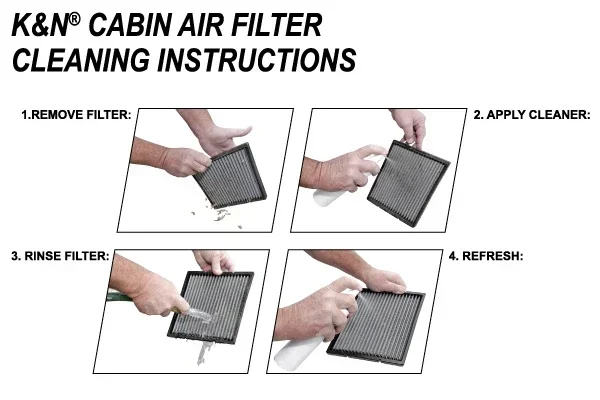
Most cabin air filters are not designed to be washed and reused. They are made of paper or fibrous materials that lose their filtering ability when wet. Always replace a dirty filter with a new one. Washing a cabin filter can also promote mold growth inside the filter housing.
Where is the cabin air filter located in my car?
The cabin air filter location varies by vehicle. In most cars, it is behind the glove box. Some models have it under the hood near the windshield. Check your owner manual for the exact location. The manual also provides step-by-step instructions for accessing and replacing the filter.
What happens if I never change my cabin air filter?
Skipping cabin air filter replacement leads to several problems. Airflow becomes weak, the car develops musty odors, and the HVAC system works harder. Over time, this can cause expensive repairs to the blower motor or AC compressor. It also means you breathe dirtier air inside your car. Regular replacement is an easy way to avoid all of these issues.