How Many Miles Per Gallon Does a 57L V8 Engine Really Get
A 5.7L V8 engine typically delivers between 15 and 25 miles per gallon depending on the vehicle, driving conditions, and maintenance habits. Real-world fuel economy varies widely because highway driving, towing, and engine tuning all play a role. Understanding what affects your 5.7L V8 MPG can help you save money at the pump and extend your engine’s life.
When you hear the rumble of a 5.7L V8 engine, you think of power. You think of muscle cars, heavy-duty trucks, and the raw thrill of acceleration. But there is another side to that story that every driver eventually faces. Fuel economy. How many miles per gallon does a 5.7L V8 engine actually get? The answer might surprise you.
Most people assume that a big V8 engine means terrible gas mileage. And yes, V8 engines generally use more fuel than smaller engines. But the real numbers are not as bad as you might think. A 5.7L V8 can deliver anywhere from 15 to 25 miles per gallon depending on several key factors. In this article, we will break down exactly what affects V8 fuel economy, share real-world MPG data, and give you practical tips to get the most out of every gallon.
Whether you own a truck with a 5.7L Hemi V8 or are shopping for a new vehicle, understanding your fuel economy numbers matters. Gas prices are not getting any cheaper. And knowing how to improve your V8 engine gas mileage can save you hundreds of dollars every year. So let us dive right in.
Key Takeaways
- A 5.7L V8 engine averages 15-25 MPG: Real-world numbers depend on driving style, vehicle weight, and conditions.
- Highway driving boosts V8 fuel economy: Steady speeds on open roads yield better MPG than stop-and-go city driving.
- Towing drastically reduces MPG: A 5.7L V8 pulling a trailer can drop fuel economy by 30-50%.
- Regular maintenance improves gas mileage: Clean air filters, fresh spark plugs, and proper tire pressure all help.
- Fuel type matters: Most 5.7L V8 engines require premium gasoline, which costs more but delivers better performance.
- Modern V8s are more efficient than older models: Technology like cylinder deactivation helps improve MPG significantly.
- Driving habits have the biggest impact: Smooth acceleration and steady cruising can noticeably improve your fuel economy.
📑 Table of Contents
- What Is a 5.7L V8 Engine?
- How Many MPG Does a 5.7L V8 Actually Get?
- Factors That Affect 5.7L V8 Fuel Economy
- 5.7L V8 MPG in Real-World Driving
- How to Improve Your 5.7L V8 MPG
- Is a 5.7L V8 Worth the Fuel Cost?
- Common Mistakes That Hurt Your 5.7L V8 MPG
- Expert Insights on V8 Fuel Economy
- Key Takeaways
What Is a 5.7L V8 Engine?
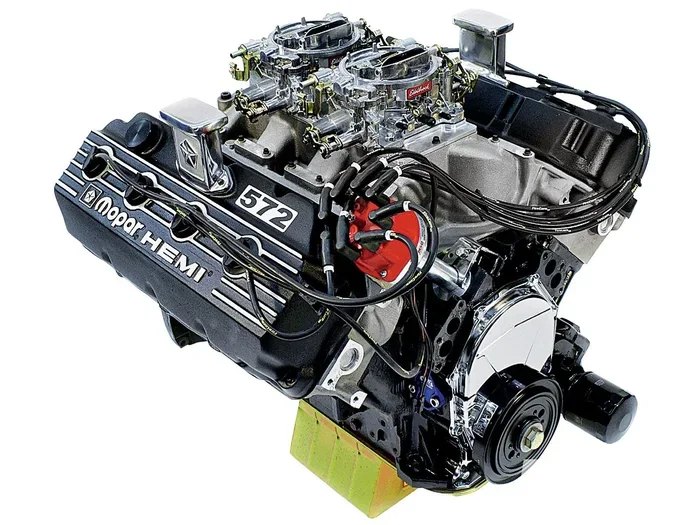
A 5.7L V8 engine means the engine has eight cylinders arranged in a V shape, with a total displacement of 5.7 liters. This is one of the most popular V8 engines in the American automotive market. You will find it in trucks, SUVs, and muscle cars from brands like Dodge, Chrysler, and Jeep.
The 5.7L V8 is often called the Hemi engine because of its hemispherical combustion chamber design. This shape allows for better airflow and more efficient combustion. The result is a strong balance between power output and fuel efficiency. A typical 5.7L V8 produces around 350 to 395 horsepower, depending on the vehicle and tuning.
These engines have been around for decades in various forms. The modern 5.7L Hemi V8 uses advanced technology like cylinder deactivation. This means four of the eight cylinders shut off during light driving. The result is better V8 fuel economy without sacrificing power when you need it. This is a big reason why modern V8 engines are more efficient than older models.
How Does a V8 Engine Work?
A V8 engine has eight cylinders firing in a specific sequence. Each cylinder takes in air and fuel, compresses it, ignites it, and pushes out exhaust. This cycle repeats thousands of times per minute. The V shape allows for a shorter engine length compared to a straight-eight design. This makes V8 engines fit better in pickup trucks and muscle cars.
The 5.7L displacement refers to the total volume of all eight cylinders combined. More displacement generally means more power. But it also means more fuel consumption. Engine displacement is a key factor in determining how many miles per gallon any engine can achieve.
How Many MPG Does a 5.7L V8 Actually Get?
The honest answer is that it depends. The EPA fuel economy ratings for a 5.7L V8 vary widely by vehicle type. A lightweight muscle car will get better numbers than a heavy-duty truck. Here is a general breakdown of what you can expect.
| Vehicle Type | City MPG | Highway MPG | Combined MPG |
|---|---|---|---|
| Muscle Car (e.g., Charger) | 16-19 | 25-28 | 19-22 |
| Full-Size Truck (e.g., Ram 1500) | 15-18 | 22-25 | 17-21 |
| SUV (e.g., Jeep Grand Cherokee) | 14-17 | 21-24 | 16-19 |
These numbers represent the EPA estimates for vehicles equipped with the 5.7L V8 engine. Your actual results may vary. Real-world V8 MPG often comes in a few miles per gallon lower than the EPA ratings. This is because testing conditions do not always match everyday driving.
For example, a Dodge Charger with a 5.7L V8 might get around 19 MPG combined in the city and highway mix. A Ram 1500 with the same engine might get closer to 17 MPG combined because of its heavier weight. These are not bad numbers for an engine with over 350 horsepower. But they are definitely higher than what you would see with a four-cylinder or V6 engine.
City vs Highway MPG for a 5.7L V8
City driving is generally tougher on fuel economy. Stop-and-go traffic, idling at lights, and frequent acceleration all burn more gas. A 5.7L V8 in city conditions might only return 14 to 18 MPG. The engine works harder at low speeds, and the heavy weight of the vehicle does not help.
Highway driving is where V8 engines shine a bit more. At steady speeds, the engine does not have to work as hard. A 5.7L V8 on the highway can achieve 22 to 28 MPG depending on the vehicle. Highway MPG V8 numbers are always better than city numbers because of the consistent speed and reduced idling time.
If you do a lot of highway commuting, a 5.7L V8 is more practical than you might think. But if your daily drive is mostly stop-and-go city traffic, you will feel the fuel cost more. V8 engine power comes at a price, and that price is measured at the pump.
Factors That Affect 5.7L V8 Fuel Economy
Many things influence how many miles per gallon your 5.7L V8 engine delivers. Some factors you can control. Others are simply part of the driving experience. Understanding these factors helps you make smarter choices about how you drive and maintain your vehicle.
Vehicle Weight and Aerodynamics
The heavier the vehicle, the more fuel it takes to move it. A 5.7L V8 in a lightweight Dodge Charger will get better MPG than the same engine in a heavy-duty Ram 2500 truck. This is basic physics. More weight means more energy needed to accelerate and maintain speed.
Aerodynamics also play a big role. A sleek muscle car cuts through the air more efficiently than a boxy truck. At highway speeds, aerodynamic drag is one of the biggest enemies of fuel economy. Roof racks, open windows, and poorly designed spoilers all increase drag and reduce your V8 gas mileage.
Driving Style and Habits
How you drive has a massive impact on your MPG. Aggressive driving with rapid acceleration and hard braking can slash your fuel economy by 20 to 30 percent. Smooth acceleration and gentle braking are the best ways to maximize your miles per gallon.
Speed matters too. Driving at 75 mph instead of 65 mph can reduce your fuel economy by 10 to 15 percent. Air resistance increases exponentially at higher speeds. So slowing down a bit can make a surprising difference in your V8 fuel economy.
Towing and Payload
If you use your 5.7L V8 truck for towing, expect your MPG to drop significantly. Towing fuel economy for a 5.7L V8 can be as low as 10 to 13 MPG when pulling a heavy trailer. The engine has to work much harder to move both the vehicle and the load.
Even without a trailer, carrying heavy payload in your truck bed or SUV cargo area affects fuel economy. Every extra 100 pounds can reduce your MPG by about 1 percent. So keeping your vehicle as light as possible helps your gas mileage.
Engine Maintenance and Tuning
A well-maintained engine always runs more efficiently. Dirty air filters, worn spark plugs, and old oil all force your engine to work harder. This means more fuel consumption and fewer miles per gallon. Regular V8 engine maintenance is one of the easiest ways to keep your MPG in check.
Here are the key maintenance items that directly affect fuel economy:
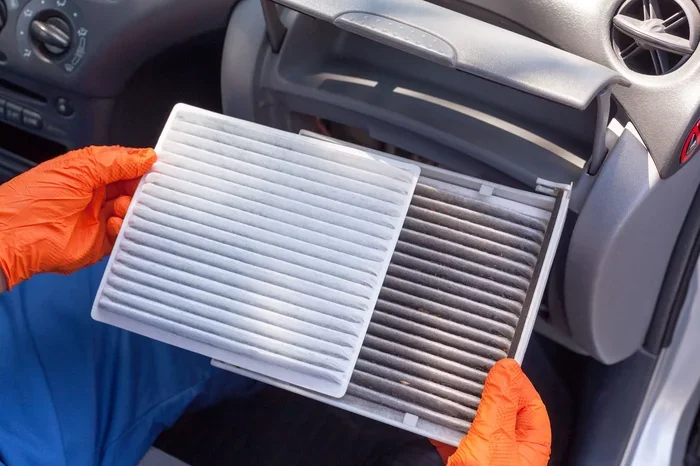
- Air filter: A clogged air filter restricts airflow and reduces combustion efficiency. Replace it every 15,000 to 30,000 miles.
- Spark plugs: Worn spark plugs cause incomplete combustion. Fresh plugs improve V8 MPG ratings and engine performance.
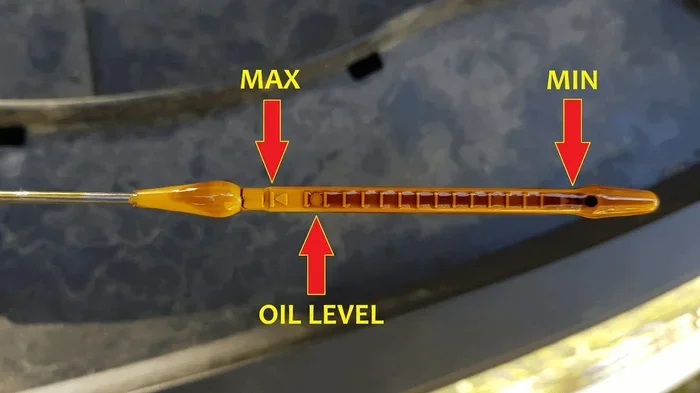
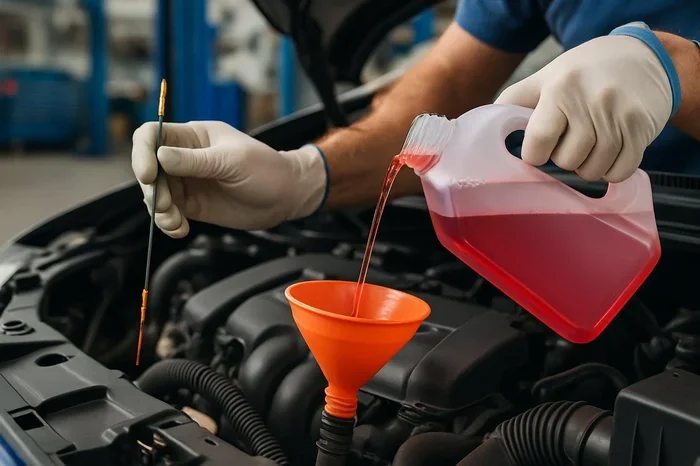
- Oil changes: Clean oil reduces engine friction. Use the manufacturer-recommended grade for best results.
- Fuel injectors: Dirty injectors deliver fuel unevenly. Clean them regularly to maintain optimal fuel economy.
- Oxygen sensors: Faulty sensors send wrong data to the engine computer. This can reduce MPG by up to 40 percent.
Fuel Type and Quality
The 5.7L V8 engine is designed to run on premium gasoline. Using the recommended fuel type ensures optimal combustion and performance. Some drivers try to save money by using regular gasoline, but this can actually hurt your fuel economy in the long run.
Premium fuel has a higher octane rating, which prevents engine knock and allows for more efficient combustion. While premium gas costs more per gallon, the improved fuel efficiency V8 gains can partially offset the price difference. Always check your owner manual for the recommended fuel type.
5.7L V8 MPG in Real-World Driving
EPA ratings give you a baseline, but real-world driving tells the full story. Thousands of owners have shared their actual MPG numbers online, and the results are interesting. Let us look at what real drivers experience with their 5.7L V8 vehicles.
Many Ram 1500 owners report getting between 14 and 18 MPG in mixed driving. The truck is heavy, and most drivers use it for work or towing. In pure highway conditions without a trailer, some owners report 22 to 25 MPG. These numbers align well with the EPA estimates.
Dodge Charger and Challenger owners with the 5.7L V8 typically report 16 to 20 MPG in mixed driving. The cars are lighter than trucks, so they get slightly better fuel economy. Drivers who keep their foot out of the throttle and use cruise control on the highway often see the best results.
Jeep Grand Cherokee owners with the 5.7L V8 report 13 to 17 MPG on average. The SUV is heavier and less aerodynamic than a truck or car. But the V8 engine power makes it a capable towing and off-road vehicle.
What Owners Say About Fuel Economy
Real-world feedback shows that driving habits matter more than the vehicle itself. Owners who drive gently and plan their routes report MPG numbers close to the EPA estimates. Those who drive aggressively or use their vehicles for heavy towing see significantly lower numbers.
One common theme among owners is that maintenance makes a real difference. Those who stay on top of oil changes, air filter replacements, and spark plug swaps consistently report better fuel economy. Neglected vehicles often see MPG drop by 10 to 15 percent over time.
How to Improve Your 5.7L V8 MPG
Want to get more miles out of every gallon? There are several proven strategies to improve your 5.7L V8 fuel economy. Some are free. Others require a small investment. Either way, the savings add up over time.
Drive Smarter
The easiest way to improve MPG is to change how you drive. Accelerate gently from stops. Coast to decelerate instead of braking hard. Use cruise control on highways to maintain a steady speed. These simple changes can improve your V8 engine gas mileage by 10 to 20 percent.
Keep Your Vehicle Light
Remove unnecessary items from your vehicle. Every extra pound costs you fuel. If you carry a roof rack, remove it when not in use. Close windows at highway speeds to reduce drag. These small changes add up to noticeable improvements in your miles per gallon V8 numbers.
Stay on Top of Maintenance
Follow the manufacturer’s maintenance schedule religiously. Change your oil on time. Replace air filters and spark plugs at recommended intervals. Check your tire pressure regularly. Underinflated tires can reduce MPG by 3 to 5 percent. All of these steps help your engine run at peak efficiency.
Use the Right Fuel
Always use the fuel type recommended by the manufacturer. For the 5.7L V8, that means premium gasoline. While it costs more upfront, the better combustion efficiency can improve your overall fuel economy. Some drivers also use fuel system cleaners periodically to keep injectors flowing properly.
Consider Engine Modifications
For enthusiasts who want to squeeze out more MPG, certain modifications can help. A cold air intake improves airflow to the engine. A performance exhaust reduces back pressure. A tune optimized for fuel economy can also make a difference. Just remember that many of these modifications are designed for performance, not efficiency. Always research before making changes.
Is a 5.7L V8 Worth the Fuel Cost?
This is the question every potential V8 buyer asks. The answer depends on your priorities. If you value raw power and driving excitement, a 5.7L V8 is hard to beat. The deep rumble, the instant torque, and the effortless passing power are experiences that smaller engines simply cannot replicate.
But if you are focused on keeping fuel costs low, a V8 might not be the best choice. A four-cylinder or V6 engine in the same vehicle can nearly double your fuel economy. Over several years, the difference at the pump can be significant.
That said, modern 5.7L V8 engines are more efficient than ever. Features like cylinder deactivation, variable valve timing, and direct injection have closed the gap between V8s and smaller engines. If you need the towing capability and the power, the fuel cost tradeoff is often worth it.
One thing to consider is vehicle longevity. A well-maintained 5.7L V8 engine can last well over 200,000 miles with proper care. Many owners report their vehicles reaching 300,000 miles or more. Regular maintenance is the key to unlocking that kind of lifespan. If you want to learn more about how long engines last, check out our guide on Can A Camry Last 500K Miles for insights on long-term engine durability.
Also, keep in mind that the fuel tank size affects how far you can go between fill-ups. A larger tank means fewer stops and more range. If you are curious about your specific vehicle’s tank capacity, our article on How Many Gallons Is My Car Tank covers this topic in detail.
The manufacturing process behind these powerful engines is also fascinating. It takes significant factory time and precision to build a V8 engine from start to finish. Understanding the effort that goes into producing these engines gives you a deeper appreciation for what is under your hood.
Common Mistakes That Hurt Your 5.7L V8 MPG
Avoid these common mistakes that can silently destroy your fuel economy:
- Ignoring the check engine light: A lit check engine light often signals an emissions or fuel system problem that directly reduces MPG. Learn the difference between a check engine light and maintenance required light to avoid unnecessary trips to the shop.
- Using the wrong oil: Thick or incorrect oil increases engine friction and reduces efficiency. Always use the grade recommended in your owner manual.
- Excessive idling: Letting your V8 idle for long periods wastes fuel. If you are parked for more than a minute, turn off the engine.
- Neglecting tire alignment: Misaligned wheels create drag and force the engine to work harder. Get your alignment checked at least once a year.
- Overloading the vehicle: Carrying heavy loads that you do not need increases fuel consumption. Clean out your vehicle regularly.
Expert Insights on V8 Fuel Economy
Automotive engineers have shared their thoughts on V8 efficiency, and the consensus is clear. Modern V8 engines are remarkably efficient for the power they produce. Technologies like cylinder deactivation, which shuts down half the cylinders during light driving, have been a game changer. This feature alone can improve V8 MPG ratings by 1 to 2 miles per gallon in mixed driving.
Engine designers also emphasize the importance of the driver. No matter how advanced the technology, a poorly driven V8 will always get terrible fuel economy. Smooth inputs, anticipation of traffic, and maintaining steady speeds are the foundations of good fuel economy in any vehicle, especially a powerful V8.
Experts also recommend using fuel additives sparingly. While some additives claim to improve MPG, most do not deliver measurable results. The best fuel additive is simply using the right fuel and keeping your engine well maintained. A clean engine with fresh consumables runs the most efficiently.
Key Takeaways
- A 5.7L V8 engine averages 15-25 MPG: Real-world numbers depend on driving style, vehicle weight, and conditions.
- Highway driving boosts V8 fuel economy: Steady speeds on open roads yield better MPG than stop-and-go city driving.
- Towing drastically reduces MPG: A 5.7L V8 pulling a trailer can drop fuel economy by 30-50%.
- Regular maintenance improves gas mileage: Clean air filters, fresh spark plugs, and proper tire pressure all help.
- Fuel type matters: Most 5.7L V8 engines require premium gasoline, which costs more but delivers better performance.
- Modern V8s are more efficient than older models: Technology like cylinder deactivation helps improve MPG significantly.
- Driving habits have the biggest impact: Smooth acceleration and steady cruising can noticeably improve your fuel economy.
Frequently Asked Questions
What is the average MPG for a 5.7L V8 engine?
The average combined MPG for a 5.7L V8 engine ranges from 15 to 25, depending on the vehicle type. Muscle cars tend to get better numbers than trucks or SUVs because they are lighter and more aerodynamic. Your actual MPG will vary based on driving habits, maintenance, and conditions.
Is a 5.7L V8 engine fuel efficient for its class?
Yes, a 5.7L V8 is considered reasonably fuel efficient for a V8 engine. Modern features like cylinder deactivation help improve fuel economy. When compared to older V8 engines, the 5.7L Hemi is significantly more efficient thanks to advanced technology and engineering.
Can I improve my 5.7L V8 MPG with driving habits?
Absolutely. Driving habits have one of the biggest impacts on fuel economy. Gentle acceleration, steady highway speeds, and avoiding hard braking can improve your MPG by 10 to 20 percent. Using cruise control and removing excess weight from your vehicle also help.
Why does my 5.7L V8 get worse MPG than the EPA rating?
EPA ratings are based on controlled testing conditions that do not always reflect real-world driving. Factors like traffic, weather, road conditions, and towing all reduce actual MPG. Aggressive driving and poor maintenance can also cause your fuel economy to fall below the EPA estimate.
Does towing affect 5.7L V8 fuel economy significantly?
Yes, towing has a major impact on V8 fuel economy. When pulling a trailer, a 5.7L V8 can drop from 17 MPG combined to as low as 10 MPG. The engine works much harder to move the additional weight, which dramatically increases fuel consumption.
How often should I maintain my 5.7L V8 for best fuel economy?
Follow the manufacturer’s maintenance schedule for best results. Change your oil every 5,000 to 7,500 miles, replace air filters every 15,000 to 30,000 miles, and swap spark plugs as recommended. Regular maintenance keeps your engine running efficiently and maximizes your MPG over time.
=== CONCLUSION ===
The 5.7L V8 engine offers a compelling blend of power and practicality. With real-world MPG numbers ranging from 15 to 25, it is not the most fuel-efficient engine on the market. But for the amount of V8 engine power it delivers, the fuel economy is respectable. Understanding what affects your MPG and taking steps to optimize it can make a real difference in your wallet.
Regular maintenance, smart driving habits, and using the right fuel are your best tools for improving fuel economy. Whether you drive a truck, SUV, or muscle car with a 5.7L V8, these tips apply. The more you know about your engine, the better equipped you are to get the most out of it.
So the next time you fill up at the pump, remember that every choice you make behind the wheel affects your miles per gallon. Drive smoothly, keep up with maintenance, and enjoy the incredible experience that a 5.7L V8 engine provides. Your wallet and your senses will both thank you.