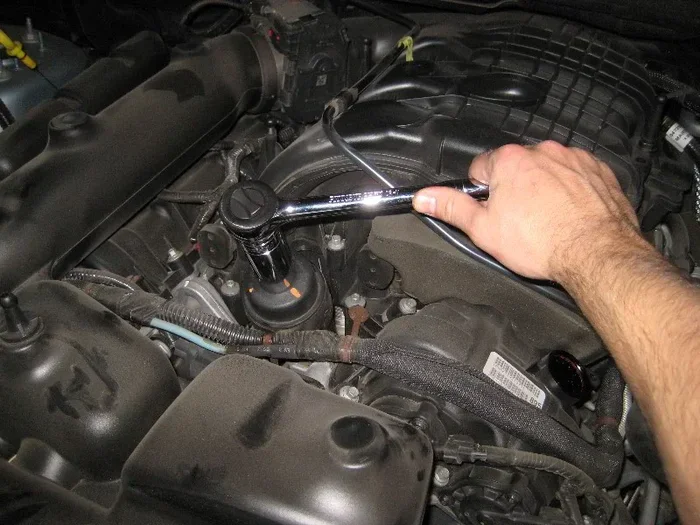
How Many Quarts of Oil Does a V6 Engine Actually Take
Most V6 engines take between 4 and 6 quarts of oil, but the exact amount depends on your specific engine model and whether you are replacing the filter too. Always check your owner’s manual for the precise V6 engine oil capacity. Using the wrong amount can lead to poor engine performance or serious damage over time.
Changing your engine oil is one of the simplest things you can do to keep your car running strong. But here is the question that trips up a lot of car owners: how many quarts of oil does a V6 engine actually take? The answer is not always the same across every vehicle. Different engines, different models, and different years all play a role in figuring out the right amount.
In this guide, we will walk you through everything you need to know. We will cover the standard V6 engine oil capacity, look at popular V6 models, explain why the oil filter matters, and give you practical tips to make your next oil change a breeze. Whether you are a DIYer or just want to understand what your mechanic is talking about, this article has you covered.
Key Takeaways
- Standard V6 Capacity: Most V6 engines hold between 4 and 6 quarts of oil, but always confirm with your specific model.
- Check Your Manual: Your owner’s manual is the most reliable source for exact oil capacity and recommended oil type.
- Oil Filter Matters: Replacing the oil filter during every change can affect the total fluid volume needed.
- Synthetic vs Conventional: Synthetic oil is often recommended for V6 engines but comes at a higher price point.
- Overfilling Is Dangerous: Too much oil can cause foaming, leaks, and engine damage.
- Regular Changes Save Money: Staying on top of oil changes prevents costly repairs down the road.
📑 Table of Contents
Understanding V6 Engine Oil Capacity
A V6 engine is one of the most popular engine configurations in cars today. It offers a great balance of power and efficiency. But knowing how much oil your specific V6 engine needs is essential for proper maintenance. The oil capacity of a V6 engine is measured in quarts, and it typically falls somewhere between 4 and 6 quarts for most passenger vehicles.
Why does this number vary so much? Several factors come into play. The size of the engine block, the design of the oil pan, and whether the engine uses a dry or wet sump system all affect how much oil the engine can hold. Smaller V6 engines, like those found in sedans, often need closer to 4 quarts. Larger V6 engines, such as those in trucks or performance vehicles, may require 6 quarts or even more.
What Affects Oil Capacity
Not all V6 engines are created equal. Here are some of the key factors that determine how many quarts your engine needs:
- Engine displacement: Larger displacement engines generally hold more oil.
- Oil pan design: Some pans hold more fluid than others based on shape and depth.
- Oil filter type: A cartridge-style filter may leave more oil in the system than a spin-on filter.
- Dry sump vs wet sump: Dry sump systems use external reservoirs and can hold significantly more oil.
- Engine modifications: Aftermarket parts can change the total volume needed.
For most everyday drivers, the standard V6 oil capacity falls in the 4.5 to 5.5 quart range. But never guess. Always double-check your vehicle’s specifications before pouring oil into your engine. If you are curious about how much work goes into building these engines, check out how many man hours it takes to build a car to understand the effort behind engine manufacturing.
Oil Capacity By Popular V6 Engines
Every engine is different. Below we break down the oil capacity for some of the most common V6 engines you will find on the road today. Keep in mind these numbers include the oil filter replacement.
Toyota V6 Engines
Toyota has used V6 engines in many of its popular models for decades. The Toyota 3.5L V6 found in the Camry and Highlander typically takes about 6.3 quarts of oil including the filter. The Toyota 3.3L V6 in older models like the Avalon holds around 6.4 quarts. Toyota generally recommends 0W-20 or 5W-30 synthetic or conventional oil depending on the model year.
Honda V6 Engines
Honda’s V6 engines are known for reliability and efficiency. The Honda 3.5L V6 in the Accord and Odyssey usually requires about 4.2 quarts of oil with a filter change. Honda often recommends 0W-20 full synthetic oil for its modern V6 engines. Always refer to the owner’s manual for the exact Honda V6 oil capacity for your specific year.
Ford V6 Engines
Ford uses V6 engines across its lineup from the F-150 to the Mustang. The Ford 3.5L EcoBoost V6 is a popular twin-turbo engine that takes approximately 6 quarts of oil. The Ford 3.7L V6 found in the Taurus and Explorer holds around 6.3 quarts. Ford generally recommends 5W-30 or 5W-20 depending on the application.
Chevrolet V6 Engines
Chevrolet has a long history of V6 engines. The Chevy 3.6L V6 found in the Camaro and Equinox typically needs about 5.3 quarts of oil with a filter. The Chevy 3.8L V6 in older models like the Malibu holds around 5.7 quarts. GM usually specifies 5W-30 or 0W-20 depending on the engine variant.
How to Check Your Oil Level
Once you know your V6 oil capacity, the next step is learning how to check your oil level properly. Checking your oil is something you should do at least once a month. It takes just a few minutes and can save you from expensive engine repairs.
Step-by-Step Oil Check Process
- Park your car on a level surface and turn off the engine.
- Wait at least 5 to 10 minutes for the oil to settle back into the oil pan.
- Open the hood and locate the dipstick. It usually has a brightly colored handle.
- Pull the dipstick out and wipe it clean with a paper towel or rag.
- Reinsert the dipstick fully, then pull it out again.
- Look at the oil level markings on the dipstick. The oil should fall between the minimum and maximum marks.
- Check the color and consistency of the oil. It should be amber or brown, not black and gritty.
If your oil level is low, add oil gradually. Never pour in a large amount all at once. Overfilling your engine is just as dangerous as running low on oil. If you are unsure about how much oil to add, this guide on fuel tank capacity can help you understand fluid measurements in your vehicle better.
Signs Your Oil Level Is Off
- Oil pressure warning light on the dashboard
- Unusual engine noises like knocking or ticking
- Decreased fuel efficiency
- Oil spots on your parking pad
- Burning smell coming from the engine bay
If you notice any of these signs, check your oil level right away. Running a V6 engine on low oil can cause catastrophic damage in a short amount of time.
Choosing the Right Oil for Your V6 Engine
Not all engine oils are the same. Choosing the right oil type for your V6 engine is just as important as knowing how many quarts to add. The wrong oil can reduce engine performance, increase wear, and even void your warranty.
Conventional vs Synthetic Oil
Conventional oil is made from crude oil and is the most affordable option. It works well for older engines and vehicles with simple driving patterns. Synthetic oil, on the other hand, is engineered in a lab to provide superior protection. It handles extreme temperatures better and lasts longer between changes.
Most modern V6 engines benefit from full synthetic oil. It provides better lubrication, reduces friction, and helps keep your engine clean. If you are unsure which type is right for your vehicle, check this guide on using 5W-30 oil in a Toyota Corolla for insights on oil viscosity and compatibility.
Understanding Viscosity Ratings
You will see numbers like 5W-30, 0W-20, and 10W-40 on oil bottles. These numbers tell you the oil’s viscosity, or how thick it is at different temperatures.
- The first number (with the W): Shows how the oil flows in cold temperatures. A lower number means better cold-weather performance.
- The second number: Shows the oil’s thickness at normal operating temperature. Higher numbers mean thicker oil at high temperatures.
Always use the viscosity grade recommended by your vehicle manufacturer. Using the wrong viscosity can affect oil flow, engine protection, and fuel economy.
Oil Change Intervals for V6 Engines
How often should you change your V6 engine oil? The answer depends on your driving habits and the type of oil you use. Here is a general guide:
- Conventional oil: Change every 3,000 to 5,000 miles
- Synthetic blend: Change every 5,000 to 7,500 miles
- Full synthetic oil: Change every 7,500 to 10,000 miles
These are general guidelines. Always follow the recommendations in your owner’s manual. If you drive in severe conditions like extreme heat, heavy traffic, or dusty roads, you may need to change your oil more frequently. Many drivers prefer to have their oil changes done professionally. If you are wondering about quick service options, you can read about whether Autozone does oil changes to explore convenient service options.
Common Oil Change Mistakes to Avoid
Even experienced car owners make mistakes when changing oil. Here are some common errors you should watch out for:
Overfilling the Engine
Adding too much oil is a common mistake. When you overfill the engine, the oil gets whipped up by the crankshaft, creating foam. Foamy oil does not lubricate properly and can lead to increased engine wear. It can also cause oil leaks and damage seals and gaskets.
Always add oil in small increments. Add about half a quart at a time and check the level with the dipstick before adding more.
Using the Wrong Oil Type
Using the wrong oil type can void your warranty and harm your engine. Always match the oil viscosity and specification to what your manufacturer recommends. If you are switching from conventional to synthetic oil, it is generally safe, but check your manual first.
Skipping the Oil Filter
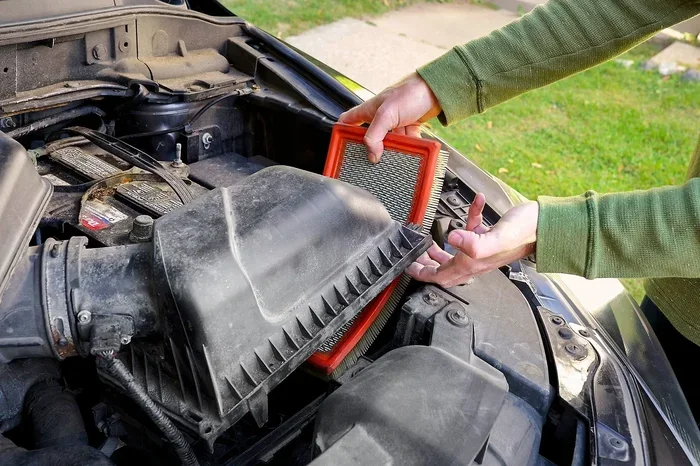
Some people change the oil but forget to replace the oil filter. The oil filter catches dirt, metal particles, and contaminants. A clogged or old filter will not do its job properly. Always replace the filter every time you change the oil.
Not Checking for Leaks
After an oil change, always check under your car for leaks. Look for fresh oil spots on the ground. Also, check the oil level again after driving for a few days to make sure everything is holding properly.
DIY Oil Change Tips for V6 Engines
Changing your own oil can save you money and give you a better understanding of your vehicle. Here are some tips to make the process smooth and successful.
What You Will Need
- The correct type and amount of oil for your V6 engine
- A new oil filter compatible with your vehicle
- An oil drain pan
- A socket wrench and the correct size socket
- A funnel for pouring oil
- Jack stands or ramps if needed
- Gloves and safety glasses
Step-by-Step Oil Change Process
- Warm up the engine for 2 to 3 minutes. This helps the oil flow more easily.
- Lift the vehicle safely using jack stands or ramps.
- Locate the oil drain plug underneath the engine.
- Place the drain pan beneath the plug and carefully remove it.
- Let the old oil drain completely. This may take 10 to 15 minutes.
- Remove the old oil filter and replace it with the new one. Apply a thin layer of new oil to the rubber gasket.
- Reinstall the drain plug and tighten it to the proper torque specification.
- Lower the vehicle and open the oil fill cap on top of the engine.
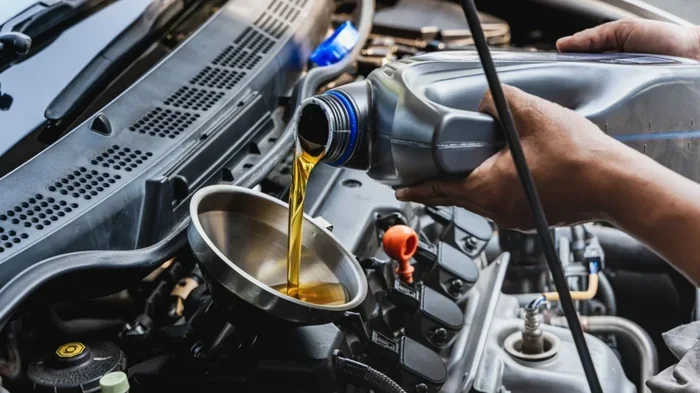
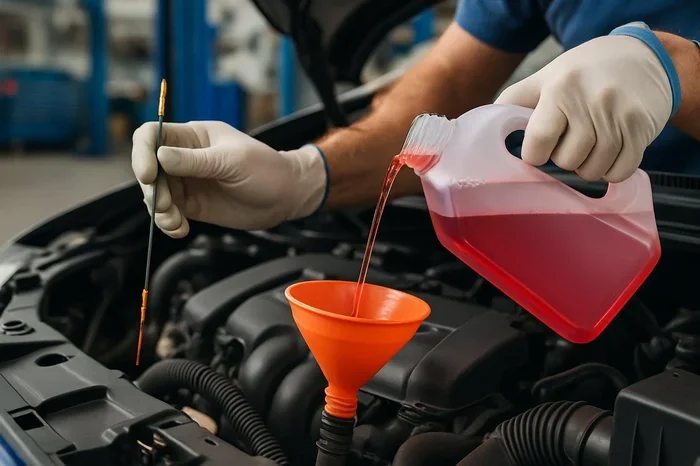
- Pour in the recommended amount of oil using a funnel.
- Wait a few minutes, then check the level with the dipstick.
- Start the engine and let it run for a minute. Check for leaks underneath.
- Turn off the engine, wait a few minutes, and check the oil level one more time.
Following these steps carefully will ensure a clean and effective oil change. Always dispose of your old oil properly at a recycling center. Never pour used oil down drains or into the ground.
When to See a Professional
While DIY oil changes are rewarding, there are times when you should let a professional handle the job. If your V6 engine has a hard-to-reach oil filter or drain plug, a professional mechanic can save you time and frustration. If you notice unusual oil consumption or persistent low oil levels, it is best to have a mechanic inspect the engine for potential leaks or internal issues.
Regular maintenance goes beyond just oil changes. Staying on top of your vehicle’s service schedule helps prevent bigger problems down the road. If you want to learn more about engine maintenance and what goes into keeping a car running, explore our article on man hours to build a car for a fascinating look at the complexity of modern automotive engineering.
Conclusion
So, how many quarts of oil does a V6 engine take? The answer is typically between 4 and 6 quarts, but your specific engine may be different. Always refer to your owner’s manual for the exact V6 engine oil capacity and the recommended oil type. Changing your oil on schedule and using the right product will keep your engine running smoothly for years to come.
Do not overlook the importance of regular oil changes. It is one of the simplest and most cost-effective ways to protect your investment. Whether you do it yourself or visit a professional, staying on top of your oil maintenance pays off in the long run. Your V6 engine works hard for you, and giving it the right amount of clean oil is the least you can do in return.
Frequently Asked Questions
Can I use 5W-30 oil in a V6 engine that calls for 5W-20?
Using 5W-30 instead of 5W-20 is generally not recommended. The slightly thicker oil may affect fuel economy and engine performance. Always follow the viscosity grade specified in your owner’s manual to ensure proper lubrication and protection.
How do I know if my V6 engine is consuming too much oil?
If you need to add oil between changes and the level drops significantly, your engine may be consuming too much oil. A common sign is blue exhaust smoke, especially on acceleration. If you notice this, have a mechanic inspect the engine for worn piston rings or valve seals.
Can I mix conventional and synthetic oil?
Yes, you can mix conventional and synthetic oil in an emergency. However, it is best to stick with one type consistently. Mixing oils dilutes the benefits of synthetic oil and may reduce its performance advantages over time.
How long does it take to change oil in a V6 engine?
A DIY oil change on a V6 engine typically takes 30 to 45 minutes for a first-timer. Experienced car owners can complete the job in about 20 minutes. The time depends on how accessible the drain plug and oil filter are on your specific vehicle.
What happens if I put too much oil in my V6 engine?
Overfilling causes the oil to foam, which reduces its ability to lubricate properly. It can also increase oil pressure and cause leaks from seals and gaskets. If you overfill, drain the excess oil to bring the level back to the proper range on the dipstick.
Is it better to change oil based on mileage or time?
Both matter. Most manufacturers recommend changing oil every 5,000 to 10,000 miles or every 6 months, whichever comes first. If you drive short distances or in stop-and-go traffic, time-based intervals are especially important since the oil can degrade even with low mileage.