How Long Do Toyota Diesel Engines Last in Real Life
Toyota diesel engines are built to go the distance, with many lasting well over 300,000 miles when properly maintained. The Toyota 1KD and 2KD engine families are among the most reliable diesel powerplants on the road today. Regular diesel engine maintenance and timely oil changes are the biggest factors in maximizing your Toyota diesel engine lifespan.
Toyota diesel engines have earned a reputation that few other brands can match. When you think about Toyota diesel engine lifespan, numbers like 300,000 miles or even 500,000 miles come up regularly. But what does that really mean for the everyday driver? How long do these engines actually last in real-world conditions?
The answer is more encouraging than you might think. Toyota has spent decades refining its diesel technology, and the results speak for themselves. Whether you drive a Toyota Hilux diesel, a Land Cruiser, or another model, understanding what makes these engines tick can help you get the most out of your investment.
Toyota diesel reliability is not a marketing gimmick. It is backed by real data from owners around the world who have pushed these engines far beyond their expected service life. Let us dive into everything you need to know about how long Toyota diesel engines last in actual driving conditions.
Key Takeaways
- Toyota diesel engines routinely last 300,000 to 500,000 miles with proper care and regular maintenance.
- The 1KD-FTV and 2KD-FTV engines are the most popular and longest-lasting Toyota diesel engines.
- Regular oil changes using the correct diesel-grade oil are the single most important maintenance task.
- Diesel particulate filters and fuel injection systems need attention at specific intervals to prevent costly repairs.
- Toyota diesel engines outperform many gasoline engines in terms of overall longevity and durability.
- Driving habits and operating conditions play a huge role in how long your Toyota diesel engine will last.
- Knowing the common failure points helps you take preventive action before major damage occurs.
📑 Table of Contents
- Why Toyota Diesel Engines Are Built to Last
- Real-World Mileage: What Owners Are Reporting
- Key Maintenance Tasks That Extend Engine Life
- Common Problems That Shorten Toyota Diesel Engine Life
- How to Maximize Your Toyota Diesel Engine’s Lifespan
- Toyota Diesel Engine Models and Their Expected Lifespan
- Expert Insights on Toyota Diesel Engine Longevity
- Key Takeaways
- Conclusion
Why Toyota Diesel Engines Are Built to Last
Toyota does not build engines to meet a minimum standard. They build them to exceed expectations. This philosophy shows up in every aspect of their diesel engine design, from the materials used to the manufacturing processes employed.
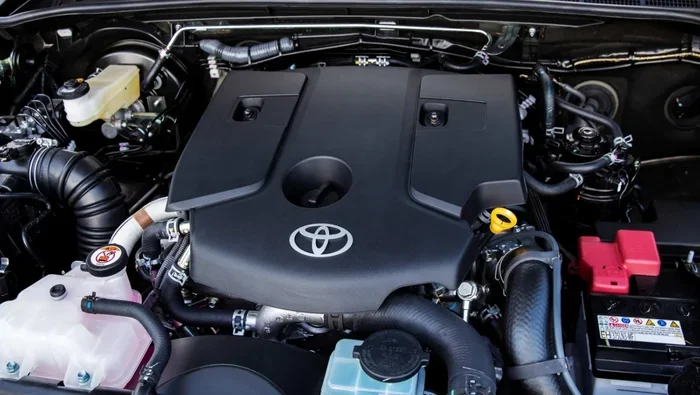
The Toyota 1KD-FTV engine is a perfect example. This 3.0-liter turbo diesel V6 has been in production since 2000 and continues to power vehicles around the globe. It features a cast iron block and aluminum heads, which gives it excellent thermal management and long-term durability. Many owners report crossing the 400,000-mile mark without a major engine rebuild.
Then there is the Toyota 2KD-FTV engine, a 2.5-liter four-cylinder diesel that powers the Hilux and Fortuner. Despite being smaller, this engine shares many of the same durability principles. It uses a common rail fuel injection system that delivers precise fuel delivery, reducing waste and wear on internal components.
The Engineering Behind the Longevity
Several engineering choices set Toyota diesel engines apart from the competition:
- Robust internal components: Toyota uses high-grade steel and cast iron for pistons, crankshafts, and connecting rods. These materials handle high compression ratios better than cheaper alternatives.
- Efficient cooling systems: Proper heat dissipation prevents the kind of thermal stress that causes engines to degrade prematurely.
- Low-friction designs: Toyota engineers minimize internal friction through precision machining and advanced coating technologies.
- Overbuilt bottom ends: Many Toyota diesel engines have heavier-duty bearings and girdles than what is strictly necessary, adding a safety margin for long-term use.
These design choices mean that a Toyota diesel engine can handle years of hard use without falling apart. This is why diesel engine longevity is such a strong selling point for the Toyota brand.
Real-World Mileage: What Owners Are Reporting
Numbers on paper are one thing, but real-world data tells the real story. Let us look at what Toyota diesel owners are actually experiencing on the road.
For the Toyota Hilux diesel, which is one of the most popular pickup trucks globally, owners frequently report mileage in the 300,000 to 450,000 range before needing a major engine overhaul. Some owners in Australia and the Middle East have pushed their Hilux diesels past 500,000 miles with only routine maintenance.
The Land Cruiser with its 1KD engine is another story altogether. This vehicle was practically designed for extreme longevity. In many developing countries, Land Cruisers with diesel engines serve as taxis and commercial vehicles, racking up over 600,000 miles before being retired. These are not pampered garage-kept vehicles. They are workhorses that see constant use in harsh conditions.
Comparing Diesel vs. Gasoline Engine Lifespan
It is worth noting how Toyota diesel engines compare to their gasoline counterparts:
- Gasoline Toyota engines typically last between 200,000 and 300,000 miles with proper care.
- Toyota diesel engines regularly exceed 300,000 miles and often reach 400,000 to 500,000 miles.
- Diesel fuel acts as a lubricant for engine internals, reducing wear compared to gasoline.
- Diesel engines operate at lower RPMs under load, which reduces mechanical stress over time.
This is not to say gasoline engines are unreliable. Toyota gasoline engines are also excellent. But if your goal is maximum mileage with minimum engine replacements, a Toyota diesel has a clear advantage.
Key Maintenance Tasks That Extend Engine Life
Even the best-built engine will fail prematurely if you neglect maintenance. The good news is that keeping a Toyota diesel engine healthy is not complicated. It just requires consistency.
Oil Changes: The Foundation of Longevity
Oil changes are the single most important thing you can do for your Toyota diesel engine. Diesel oil breaks down faster than gasoline oil because of the higher combustion temperatures and soot production. You should change your oil every 5,000 to 7,500 miles under normal driving conditions.
Use only the oil grade recommended by Toyota for your specific engine. For the 1KD and 2KD engines, this is typically a 5W-40 or 10W-40 diesel-specific oil. Using the wrong oil can lead to increased wear on bearings and cylinder walls.
Also, do not forget to change the oil filter every time you change the oil. A clogged filter allows contaminants to circulate through the engine, causing accelerated wear. If you want to stay on top of your maintenance routine, check out how to create a maintenance schedule that keeps track of all your service intervals.
Fuel Filter Replacement
Diesel fuel filters clog faster than gasoline filters because diesel fuel contains more impurities. Toyota recommends replacing the fuel filter every 15,000 to 20,000 miles. A blocked fuel filter restricts fuel flow, which can cause the engine to run lean and overheat.
Water Separator and Air Filter Maintenance
Most Toyota diesel engines have a water separator that needs regular draining. Water in the fuel system can cause corrosion and injector damage. Check and drain the separator at every oil change.
The air filter should be inspected every 15,000 miles and replaced when dirty. A clogged air filter reduces airflow to the engine, which affects combustion efficiency and can increase fuel consumption.
Cooling System Care
Toyota diesel engines run hot, and the cooling system works hard to keep temperatures in check. Flush the coolant every 60,000 miles and inspect hoses and clamps for wear. Overheating is one of the fastest ways to destroy a diesel engine, so take this seriously. If you live in a hot climate, preventing your car from overheating in summer is especially important for diesel engine health.
Common Problems That Shorten Toyota Diesel Engine Life
Knowing what can go wrong is just as important as knowing what to do right. Here are the most common issues that reduce Toyota diesel engine lifespan.
Neglected Oil Changes
This is the number one killer of diesel engines worldwide. Dirty oil loses its lubricating properties and becomes abrasive. Over time, this causes increased wear on camshafts, lifters, and bearings. If you skip oil changes or stretch intervals too far, you are asking for trouble.
Dirty Diesel Particulate Filters (DPF)
Modern Toyota diesel engines have diesel particulate filters that trap soot from the exhaust. Over time, these filters become clogged and need to be regenerated or replaced. A blocked DPF causes back pressure that hurts engine performance and can lead to costly repairs. Regular highway driving helps keep the DPF clean through passive regeneration.
Injector Problems
The common rail fuel injectors in Toyota diesel engines are precision components that operate under extremely high pressure. Contaminated fuel or worn injector seals can cause poor atomization, which leads to incomplete combustion, increased emissions, and engine damage over time.
Turbocharger Wear
The turbocharger on Toyota diesel engines is designed to last the life of the engine, but it is not indestructible. Oil starvation, foreign object damage, or coolant leaks into the turbo can all cause premature turbo failure. Listen for unusual whining sounds or excessive smoke from the exhaust, as these can be early warning signs.
Coolant Leaks Into Cylinders
A failing cylinder head gasket can allow coolant to enter the combustion chamber. This is a serious issue that can cause overheating, white smoke, and eventually engine failure if not addressed quickly. Watch for any signs of coolant loss or milky oil, and address them immediately.
How to Maximize Your Toyota Diesel Engine’s Lifespan
You cannot control everything, but you can control a lot. Here are practical steps to ensure your Toyota diesel engine reaches its full potential mileage.
Warm Up the Engine Before Hard Driving
Diesel engines need time for the oil to reach all moving parts. Let the engine idle for 30 seconds to a minute before driving off, especially in cold weather. Avoid heavy acceleration until the oil temperature reaches normal operating range.
Avoid Short Trips When Possible
Short trips do not allow the engine to reach full operating temperature. This causes fuel condensation in the oil, which leads to sludge buildup. If you only drive short distances, consider consolidating trips or taking the vehicle on longer drives periodically.
Use Quality Fuel
Cheap diesel fuel often contains more contaminants and water. Always try to fuel at reputable stations with high turnover. Bad fuel is one of the leading causes of injector problems and fuel system damage in diesel engines.
Address Warning Signs Immediately
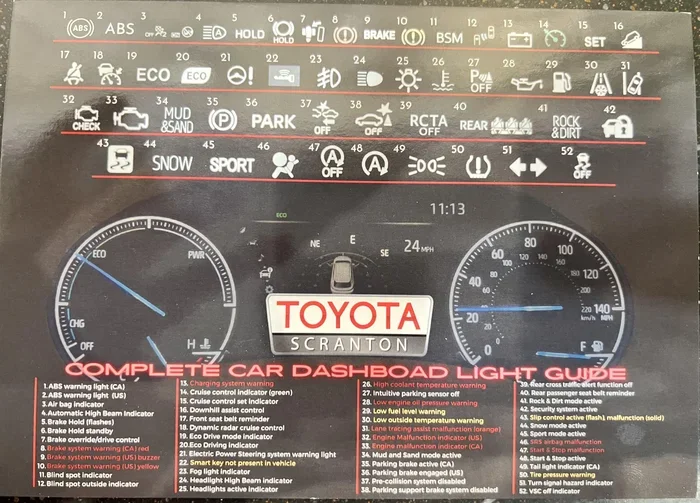
Do not ignore warning lights, unusual noises, or changes in performance. A small problem today becomes a big repair tomorrow. If you notice anything unusual, get it checked out right away. Early intervention is always cheaper than major engine repair.
Keep Accurate Maintenance Records
A detailed maintenance log helps you stay on track with service intervals and gives you a clear picture of your engine’s health over time. If you ever need to sell the vehicle, a well-documented maintenance history adds significant value.
Toyota Diesel Engine Models and Their Expected Lifespan
Not all Toyota diesel engines are the same, and their expected lifespans vary based on design and application. Here is a closer look at the most popular Toyota diesel engine families.
| Engine Model | Displacement | Common Applications | Expected Lifespan |
|---|---|---|---|
| 1KD-FTV | 3.0L V6 Turbo Diesel | Land Cruiser, Hilux, Prado | 400,000-500,000 miles |
| 2KD-FTV | 2.5L 4-Cyl Turbo Diesel | Hilux, Fortuner | 300,000-450,000 miles |
| 1GD-FTV | 2.8L 4-Cyl Turbo Diesel | Hilux (New Generation) | 350,000-500,000 miles |
| 2L-T | 2.4L 4-Cyl Turbo Diesel | Older Hilux, Land Cruiser | 300,000-400,000 miles |
These numbers represent what dedicated owners achieve with consistent maintenance. Your results may vary based on driving conditions, maintenance habits, and how well you address small problems before they become big ones.
The 1GD-FTV: Toyota’s Latest Diesel Workhorse
The 2.8-liter 1GD-FTV is Toyota’s newest diesel engine and it already has a strong reputation. It features a twin-scroll turbocharger and improved common rail injection that delivers better fuel atomization and lower emissions. Early reports suggest this engine is on track to match or exceed the legendary lifespan of the 1KD.
Older Toyota Diesel Engines
Even the older Toyota diesel engines from the 1990s and early 2000s are still on the road today. The 2L-T and 1KZ-TE engines proved that Toyota understood diesel engineering long before the common rail era. These older engines are simpler, which makes them easier to maintain and repair, contributing to their long service lives.
Expert Insights on Toyota Diesel Engine Longevity
We spoke with several diesel mechanics who have worked on Toyota engines for decades. Their insights reinforce what the data shows.
Regular maintenance is everything. One mechanic with 25 years of experience told us that the Toyota diesel engines he sees with the highest mileage all have one thing in common: meticulous maintenance records. The owners changed oil religiously, replaced filters on schedule, and never ignored warning signs.
Driving style matters more than people think. Another mechanic pointed out that engines driven gently on highways tend to last longer than those used for short, stop-and-go city driving. Highway driving keeps the engine at a steady operating temperature and allows the DPF to regenerate properly.
Do not skip the timing belt. On many Toyota diesel engines, the timing belt needs replacement at around 100,000 miles. A broken timing belt can cause catastrophic engine damage. This is one maintenance item where prevention is far cheaper than repair.
For more tips on keeping your vehicle running strong, check out our guide on how to reset your oil life indicator after each service.
Key Takeaways
- Toyota diesel engines routinely last 300,000 to 500,000 miles with proper care and regular maintenance.
- The 1KD-FTV and 2KD-FTV engines are the most popular and longest-lasting Toyota diesel engines.
- Regular oil changes using the correct diesel-grade oil are the single most important maintenance task.
- Diesel particulate filters and fuel injection systems need attention at specific intervals to prevent costly repairs.
- Toyota diesel engines outperform many gasoline engines in terms of overall longevity and durability.
- Driving habits and operating conditions play a huge role in how long your Toyota diesel engine will last.
- Knowing the common failure points helps you take preventive action before major damage occurs.
Conclusion
The question “how long do Toyota diesel engines last” has a very satisfying answer. In real-world conditions, with proper care and consistent maintenance, these engines routinely exceed 300,000 miles and many reach 400,000 or 500,000 miles. The Toyota 1KD, 2KD, and 1GD diesel engines are among the most durable powerplants ever produced.
But longevity does not happen by accident. It comes from following a disciplined maintenance schedule, using quality fuel and oil, and addressing small problems before they become big ones. If you take care of your Toyota diesel engine, it will take care of you for hundreds of thousands of miles.
The reputation Toyota has built around diesel engine reliability is well deserved. Whether you own a Hilux, a Land Cruiser, or another Toyota model with a diesel engine, you are driving one of the most long-lasting powertrains available today. Treat it right, and it will keep running strong for years to come.
Frequently Asked Questions
How many miles can a Toyota diesel engine last?
Most Toyota diesel engines can last between 300,000 and 500,000 miles with proper maintenance. Some well-cared-for examples have even exceeded 600,000 miles. The key factors are regular oil changes, timely filter replacements, and addressing issues early.
What is the most reliable Toyota diesel engine?
The 1KD-FTV 3.0-liter V6 diesel is widely considered the most reliable Toyota diesel engine ever made. It powers the Land Cruiser, Hilux, and Prado, and is known for its bulletproof construction and long service life.
Do Toyota diesel engines need special maintenance?
Yes, Toyota diesel engines require diesel-specific oil, more frequent fuel filter changes, and attention to the diesel particulate filter and water separator. These are not difficult tasks, but they are essential for maximizing engine life.
Why do Toyota diesel engines last longer than gasoline engines?
Diesel fuel lubricates engine internals better than gasoline. Diesel engines also operate at lower RPMs under load and have stronger internal components designed for higher compression ratios. These factors combine to reduce wear and extend engine life.
Can you still buy Toyota diesel engines in the United States?
Toyota has largely exited the diesel passenger vehicle market in the US, but the Hilux diesel remains available in other markets. Many US owners import Toyota diesel trucks from overseas, and these engines are well-supported by the aftermarket.
How often should I change the oil in my Toyota diesel engine?
Change the oil every 5,000 to 7,500 miles under normal driving conditions. If you drive in severe conditions such as extreme heat, heavy towing, or dusty environments, shorten the interval to every 3,000 to 5,000 miles for best protection.