How Many Quarts of Oil Does Your Toyota Corolla Need
Your Toyota Corolla typically needs between 4 and 5 quarts of oil, depending on the engine and model year. Using the right oil type and capacity keeps your engine running smoothly and extends its lifespan. This guide covers everything you need to know about Toyota Corolla oil capacity, from checking your level to scheduling your next oil change.
Owning a Toyota Corolla means enjoying one of the most reliable cars on the road. But even the best engines need proper care, and that starts with the right amount of oil. Whether you are checking your dipstick for the first time or planning your next oil change, knowing your Toyota Corolla oil capacity is essential.
So, how many quarts of oil does a Toyota Corolla actually need? The answer depends on a few factors, including your model year, engine size, and whether you are topping off or doing a full drain and refill. In this guide, we break it all down in simple terms. You will learn the exact oil capacity for different Corolla generations, the best oil type to use, and practical tips to keep your engine in top shape.
Let us dive in and make sure your Corolla has exactly what it needs to run strong for years to come.
Key Takeaways
- Standard Capacity: Most Toyota Corollas require 4 to 5 quarts of engine oil, depending on the engine size and model year.
- Correct Oil Type Matters: Using the recommended oil viscosity like 0W-20 or 5W-30 protects your engine best.
- Regular Checks Are Essential: Checking your oil level monthly helps catch problems early and prevents engine damage.
- Oil Changes Keep Engines Healthy: Sticking to the recommended oil change interval maximizes engine life and performance.
- DIY Oil Changes Save Money: With basic tools and a little know-how, you can change your Corolla’s oil at home in under 30 minutes.
- Reset Your Oil Life Monitor: After an oil change, don’t forget to reset your oil life system to stay on track.
📑 Table of Contents
- Toyota Corolla Oil Capacity By Model Year
- What Type of Oil Does a Toyota Corolla Need
- How to Check Your Toyota Corolla Oil Level
- How Often Should You Change Your Toyota Corolla Oil
- How to Change Your Toyota Corolla Oil at Home
- Common Oil Mistakes Toyota Corolla Owners Make
- Expert Insights on Toyota Corolla Oil Maintenance
- How to Know If Your Oil Tank Is Running Low
- Conclusion
Toyota Corolla Oil Capacity By Model Year
The oil capacity of a Toyota Corolla varies by generation and engine type. Most modern Corollas use a 2.0-liter or 1.8-liter engine, and each has a slightly different quarts requirement. Understanding your specific model helps you buy the right amount of oil the first time.
2014 to 2019 Toyota Corolla (1.8L Engine)
The 2014 to 2019 Toyota Corolla with the 1.8-liter engine holds approximately 4.2 quarts of oil with the filter installed. This is one of the most common Corolla generations, so if your car falls in this range, 4.2 quarts is your target number. Always double-check your owner manual, but this figure covers the vast majority of these models.
2020 to 2024 Toyota Corolla (2.0L Engine)
The newer Corollas starting in 2020 come with a 2.0-liter engine that holds about 4.6 quarts of oil. The slightly larger engine means a bit more oil is needed. If you are doing a full oil change on one of these models, plan on having 5 quarts on hand to be safe.
Older Generations (2009 to 2013 and Earlier)
Older Corollas with the 1.8-liter engine generally need around 4.0 to 4.3 quarts. If you own a classic Corolla, the number may vary slightly depending on whether the engine has been modified or rebuilt. When in doubt, err on the side of having a little extra oil available.
For comparison, a related Toyota sports car like the GR86 has a different oil capacity altogether. You can read about how many quarts the GR86 takes if you are curious about other Toyota models.
What Type of Oil Does a Toyota Corolla Need
Choosing the right oil type is just as important as using the correct number of quarts. Toyota specifies certain oil viscosity grades for the Corolla, and using the wrong one can affect engine performance and longevity.
Understanding Oil Viscosity Ratings
You will see numbers like 0W-20 or 5W-30 on oil bottles. The first number (with the W for winter) tells you how the oil flows in cold temperatures. The second number shows how it performs at engine operating temperature. Lower numbers mean thinner oil, which flows more easily in cold weather.
Recommended Oil for Modern Corollas
Most recent Toyota Corolla models require 0W-20 synthetic oil. This lightweight formula helps improve fuel economy and provides excellent engine protection. Toyota recommends using their genuine Toyota Genuine Motor Oil, but high-quality synthetic oils from brands like Mobil 1, Castrol, and Valvoline also work well.
If you are wondering whether you can use 5W-30 instead, check out our detailed guide on whether you can use 5W-30 oil in a Toyota Corolla. The short answer is that 0W-20 is the preferred choice, but 5W-30 may be acceptable in certain older models.
Synthetic vs. Conventional Oil
Synthetic oil offers superior protection and lasts longer than conventional oil. It resists breakdown at high temperatures and flows better in cold weather. For a Toyota Corolla, synthetic oil is the best choice. It costs a bit more upfront but can extend your oil change interval and protect your engine better over time.
Conventional oil is a more budget-friendly option and works fine for older Corolla models with simpler engines. However, most modern Corollas benefit from the superior performance of full synthetic formulations.
How to Check Your Toyota Corolla Oil Level
Checking your oil level regularly is one of the easiest ways to prevent engine damage. A simple monthly check takes only a few minutes and can save you from costly repairs down the road.
Step-by-Step Oil Check Process
First, park your Corolla on a level surface and turn off the engine. Wait at least five minutes for the oil to settle back into the oil pan. Pop the hood and locate the dipstick, which usually has a bright yellow or orange handle on Corolla models.
Pull the dipstick out, wipe it clean with a rag or paper towel, then reinsert it fully. Pull it out again and look at the oil level. You should see marks or holes on the dipstick indicating the minimum and maximum levels. Your oil should fall between these two marks.
If you want a more detailed walkthrough of checking your oil, read our article on how to check the oil level in your oil tank for additional tips and visuals.
What to Look for When Checking Oil
- Color: Fresh oil is amber or golden. Dark brown or black oil means it is time for a change.
- Consistency: Oil should feel smooth and thin. If it feels gritty or thick, contaminants have built up.
- Level: Oil below the minimum mark means you need to add more soon. Running low can damage your engine.
- Smell: Burnt oil smell may indicate an overheating engine or internal leak.
How Often Should You Change Your Toyota Corolla Oil
Staying on top of your oil change schedule is critical for engine health. Toyota provides clear guidelines, but your driving habits can also influence how often you need to change your oil.
Toyota Recommended Oil Change Intervals
For most Toyota Corolla models, the manufacturer recommends an oil change every 10,000 miles or 12 months, whichever comes first. This is with synthetic oil, which is what modern Corollas use. Older models that use conventional oil may need changes every 5,000 to 7,500 miles.
These intervals are based on normal driving conditions. If you frequently drive in severe conditions, such as heavy traffic, extreme heat, or dusty roads, you may want to shorten the interval to every 7,500 miles.
Signs Your Corolla Needs an Oil Change
Your car will give you warning signs when the oil is due for a change. Watch for these common indicators:
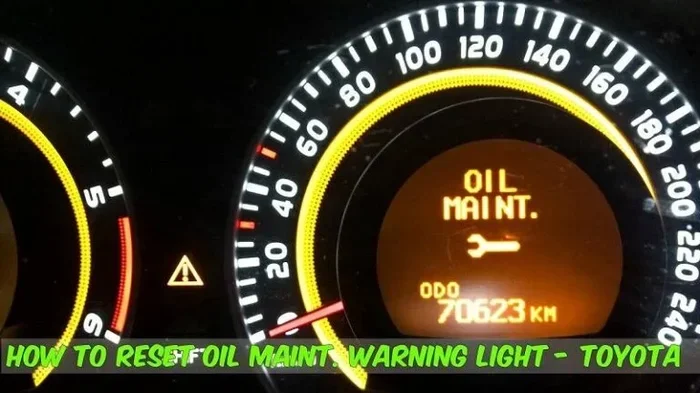
- The oil change light on your dashboard illuminates.
- The oil looks dark and dirty on the dipstick.
- You hear unusual engine noises, such as ticking or knocking.
- You notice a burning oil smell inside or outside the car.
- Your fuel economy has dropped noticeably.
After completing an oil change, remember to reset your oil life monitor so the system accurately tracks your next service interval.
How to Change Your Toyota Corolla Oil at Home
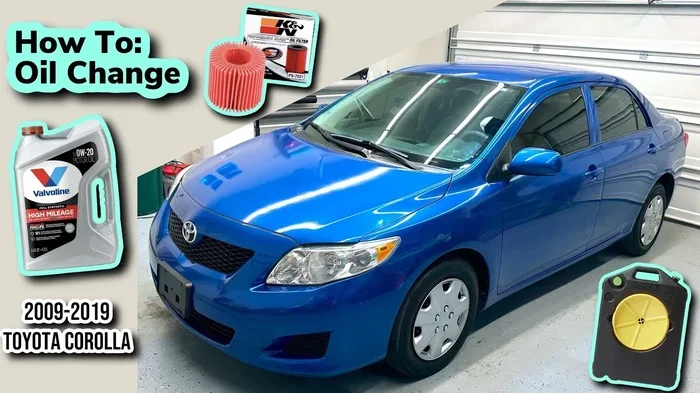
Changing your Corolla’s oil at home is easier than most people think. With the right tools and a little patience, you can complete the job in about 30 minutes. Here is a practical guide to walk you through the process.
Tools and Materials You Will Need
- 4 to 5 quarts of the correct oil type (0W-20 synthetic for modern models)
- New oil filter (check your owner manual for the correct part number)
- Oil filter wrench
- Socket wrench and drain plug socket
- Jack and jack stands or ramps
- Drain pan
- Rags and paper towels
- Funnel
Step-by-Step Oil Change Process
- Warm up the engine for about 2 to 3 minutes. Warm oil flows more easily and drains better.
- Lift the car using a jack and secure it with jack stands, or drive onto ramps.
- Locate the drain plug underneath the engine and place your drain pan beneath it.
- Remove the drain plug with your socket wrench and let the old oil drain completely.
- Remove the old oil filter using an oil filter wrench. Before installing the new one, lightly coat the gasket with a little fresh oil.
- Install the new oil filter by hand and tighten it snugly. Do not overtighten.
- Replace the drain plug and tighten it to the manufacturer’s torque specification.
- Lower the car and open the oil fill cap on top of the engine.
- Pour in the new oil using a funnel. Add about 4 quarts first, then check the dipstick.
- Start the engine and let it run for a minute. Check for leaks underneath and recheck the oil level.
Quick Tips for a Clean Oil Change
- Always dispose of your old oil properly. Take it to a recycling center or auto parts store.
- Keep a rag handy to wipe up any spills quickly.
- Take a photo of your dipstick before draining so you know exactly how low the oil was.
- Record the date and mileage of your oil change in your phone or a notebook.
Common Oil Mistakes Toyota Corolla Owners Make
Even well-meaning car owners sometimes make mistakes when it comes to engine oil. Avoiding these common errors can save you time, money, and headaches.
Overfilling the Oil
Adding too much oil can cause foaming and reduced lubrication. It can also put excess pressure on engine seals and gaskets. Always add oil gradually and check the dipstick after each addition. If you accidentally overfill, have the excess drained at a repair shop.
Using the Wrong Oil Type
Using the wrong oil viscosity or switching from synthetic to conventional without reason can reduce engine protection. Always follow Toyota’s recommendations in your owner manual. If you are unsure, our article on using 5W-30 oil in a Toyota Corolla can help clarify what is acceptable.
Skipping Oil Changes
It is tempting to push off an oil change when you are busy, but old oil loses its protective properties over time. Sludge builds up, and metal particles circulate through your engine. Staying on schedule is one of the cheapest and most effective ways to protect your investment.
Ignoring the Oil Change Light
When the oil change light comes on, do not ignore it. This warning is based on your driving patterns and engine conditions. Delaying service can lead to decreased performance and potential engine damage.
Expert Insights on Toyota Corolla Oil Maintenance
We spoke with certified Toyota technicians about the best practices for keeping your Corolla’s engine healthy. Here are their top recommendations.
Tip 1: Check oil when the engine is cool. While some experts say to check oil after the engine has warmed up, checking it on a cool engine gives you a more accurate reading of the total oil level in the system.
Tip 2: Replace the oil filter every time. A clean oil filter ensures that fresh oil circulates properly. Skipping the filter replacement can contaminate your new oil almost immediately.
Tip 3: Keep a maintenance log. Writing down each oil change date and mileage helps you stay on track and provides a record if you ever sell the car.
Tip 4: Do not mix oil brands unnecessarily. While it is generally safe to top off with a different brand, sticking with one brand and type ensures consistent performance and chemistry.
Tip 5: Monitor for leaks between changes. If you notice your oil level dropping faster than usual between scheduled changes, inspect for leaks around the drain plug, oil filter, and valve cover gasket.
How to Know If Your Oil Tank Is Running Low
Sometimes your car gives you clues that the oil is running low before the dipstick even comes out. Paying attention to these signs can prevent serious engine damage.
Look for dashboard warning lights, especially the red oil pressure light. If this light comes on, pull over safely and turn off the engine immediately. Continuing to drive with low oil pressure can cause catastrophic engine failure.
You might also notice decreased engine performance, unusual noises, or a lit service light on your dashboard. If you are dealing with a persistent service light, check out our guide on how to get rid of the service light on your dashboard for helpful troubleshooting steps.
For a quick check of your remaining oil, you can also refer to our article on how to know how much oil is left in your tank for additional methods and tips.
Conclusion
Knowing exactly how many quarts of oil your Toyota Corolla needs is one of the simplest yet most important pieces of car maintenance knowledge. Most Corollas require between 4 and 5 quarts, depending on the engine and model year. Using the correct oil type, sticking to a regular oil change schedule, and checking your oil level monthly will keep your engine running smoothly for hundreds of thousands of miles.
Whether you prefer to handle oil changes yourself or visit a service center, the information in this guide gives you the confidence to make the right decisions for your vehicle. Remember to use the recommended oil viscosity, replace your filter with every change, and reset your oil life monitor after servicing.
Your Toyota Corolla is built to last, and proper oil maintenance is one of the best ways to ensure it stays reliable for decades to come. Take a few minutes today to check your oil level and make sure everything is where it should be. Your engine will thank you tomorrow.
Frequently Asked Questions
How many quarts of oil does a Toyota Corolla take?
Most Toyota Corollas require between 4 and 5 quarts of oil, depending on the engine size and model year. The 1.8-liter engine models typically need about 4.2 quarts, while the newer 2.0-liter engine models require approximately 4.6 quarts with the filter installed.
What type of oil is best for a Toyota Corolla?
Toyota recommends 0W-20 full synthetic oil for most modern Corolla models. This viscosity provides excellent engine protection, improves fuel economy, and flows well in both cold and hot temperatures. Always check your owner manual for the specific recommendation for your model year.
How often should I change the oil in my Toyota Corolla?
Toyota recommends changing the oil every 10,000 miles or 12 months for Corollas using synthetic oil, whichever comes first. If you drive in severe conditions like heavy traffic or extreme heat, consider shortening the interval to every 7,500 miles for optimal engine protection.
Can I use 5W-30 oil in my Toyota Corolla?
While 0W-20 is the preferred oil for most modern Corollas, some older models may accept 5W-30. It is best to consult your owner manual or check our detailed guide on using 5W-30 oil in a Toyota Corolla before switching from the recommended viscosity.
How do I reset the oil life monitor on my Toyota Corolla?
After completing an oil change, you should reset the oil life monitor so the system accurately tracks your next service. The process varies by model year but usually involves navigating through the steering wheel controls on the instrument cluster. For a step-by-step guide, check our article on how to reset your oil life.
What happens if I overfill my Toyota Corolla with oil?
Overfilling can cause oil foaming, which reduces lubrication and can lead to increased engine wear. Excess oil pressure may also damage seals and gaskets. If you overfill, have the excess oil drained promptly to avoid potential engine damage.