How Much Does It Cost to Replace a Tire Pressure Sensor
Replacing a tire pressure sensor typically costs between $50 and $250 per sensor, depending on whether you choose an OEM or aftermarket part and whether you handle the tire pressure sensor replacement yourself or visit a mechanic. Most vehicles have four sensors, so total costs can range from $200 to $1,000. Understanding the TPMS sensor replacement process helps you make informed decisions and avoid unnecessary expenses.
Your car has a lot of little parts that keep it running safely. One of those parts is the tire pressure sensor. You might not think about it until that little light pops up on your dashboard. Then suddenly you are Googling “how much does it cost to replace a tire pressure sensor” at 10 PM wondering if it is going to drain your wallet.
The good news is that replacing a TPMS sensor does not have to break the bank. In most cases, you can expect to pay somewhere between $50 and $250 per sensor. The exact price depends on a few factors that we will break down in this guide. Whether you want to go the DIY route or hire a professional, you will find everything you need to know right here.
Let us talk about what a tire pressure monitoring system actually does, why sensors fail, and what you can expect to pay for the replacement. By the end of this article, you will feel confident making the right choice for your vehicle and your budget.
Key Takeaways
- OEM sensors cost more: Dealer-grade tire pressure sensors range from $50 to $100 per unit, while aftermarket options run $25 to $60 each.
- Labor adds up: Professional installation typically costs $50 to $100 per sensor, making the total bill significantly higher than DIY.
- DIY is possible: If you have basic tools and follow the right steps, you can replace a TPMS sensor yourself and save on labor charges.
- Sensor battery life matters: Most tire pressure monitoring system sensors last 5 to 10 years before the internal battery dies.
- Reset is essential: After replacement, you must reset the tire pressure light to clear the warning on your dashboard.
📑 Table of Contents
- What Is a Tire Pressure Sensor and Why Does It Matter?
- How Much Does It Cost to Replace a Tire Pressure Sensor?
- Signs That Your Tire Pressure Sensor Needs Replacement
- Can You Replace a Tire Pressure Sensor Yourself?
- Common Mistakes to Avoid When Replacing a Tire Pressure Sensor
- How Long Does a Tire Pressure Sensor Last?
- Final Thoughts on Tire Pressure Sensor Replacement Cost
What Is a Tire Pressure Sensor and Why Does It Matter?
Every modern car comes equipped with a tire pressure monitoring system, commonly known as TPMS. This system uses small sensors inside each tire to monitor the air pressure in real time. When the pressure drops below or rises above the recommended level, the system triggers a warning light on your dashboard.
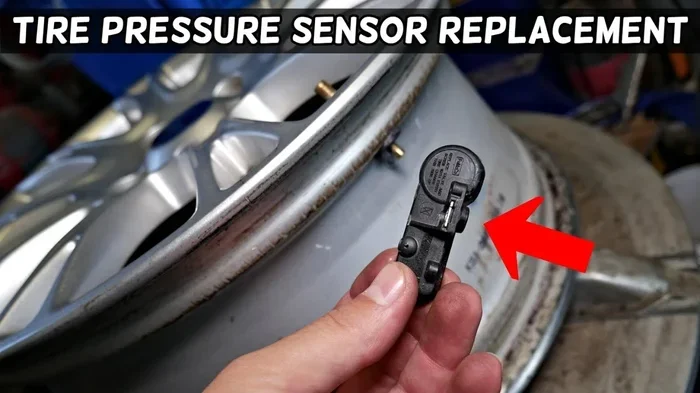
The sensor itself is a small electronic device. It sits inside the tire, usually attached to the valve stem. It measures the air pressure and sends a wireless signal to your car’s computer. If the pressure is off, your car lets you know. This is a safety feature. Driving on underinflated tires can reduce fuel efficiency, cause uneven tire wear, and even lead to blowouts.
How Does the TPMS Sensor Work?
Each TPMS sensor has a tiny battery and a pressure transducer. The battery powers the sensor, which takes pressure readings and transmits them to the car’s onboard computer. Most sensors use a direct measurement method, meaning they sit inside the tire and measure pressure directly. Some older systems use an indirect method, relying on wheel speed sensors instead. Direct sensors are more accurate and more common in newer vehicles.
The sensor battery typically lasts between 5 and 10 years. When the battery dies, the sensor stops working. At that point, you need a full sensor replacement. You cannot simply replace the battery in most designs because the sensor is sealed inside a small housing.
How Much Does It Cost to Replace a Tire Pressure Sensor?
This is the big question, and the answer depends on several factors. Let us break down the costs so you know what to expect.
OEM vs Aftermarket Sensors
The biggest factor in cost is whether you choose an OEM (Original Equipment Manufacturer) sensor or an aftermarket one. OEM sensors are made by the same company that supplied your vehicle when it was new. They are designed to match your car exactly. Aftermarket sensors are made by third-party manufacturers and work with most vehicles.
Here is a quick comparison:
- OEM sensors: $50 to $100 per unit. These come with a warranty and are programmed specifically for your vehicle.
- Aftermarket sensors: $25 to $60 per unit. These are more affordable and widely available online and at auto parts stores.
- Sensor kits (all four): $100 to $400 for a full set of aftermarket sensors. OEM full sets can run $200 to $400.
Aftermarket sensors have come a long way in recent years. Many now offer universal compatibility and easy programming. However, some vehicles require specific sensor IDs to be registered with the car’s computer. In those cases, OEM sensors may be your only option unless you find a compatible aftermarket alternative.
Labor Costs for Professional Installation
If you choose to have a mechanic or dealership handle the replacement, labor costs will add to your total bill. Most shops charge between $50 and $100 per sensor for labor. This includes removing the old sensor, installing the new one, and programming it into the car’s system.
For all four sensors, you could be looking at $200 to $400 in labor alone. That is why many car owners choose to do the replacement themselves. It is not as difficult as it sounds, and it can save you a significant amount of money.
Keep in mind that dealerships tend to charge more than independent shops. If you go the dealership route, expect to pay closer to the higher end of these ranges. You can also check if your local dealership offers competitive rates for this type of service.
Total Cost Breakdown by Vehicle Type
The type of vehicle you drive also affects the cost. Here is a rough breakdown:
- Compact cars and sedans: $150 to $400 total for all four sensors (parts and labor).
- SUVs and trucks: $200 to $600 total, depending on the sensor type and labor rates.
- Luxury vehicles: $300 to $1,000 total. High-end vehicles often use more expensive sensors that are harder to source.
These numbers are estimates. Your actual cost will depend on your location, the shop you choose, and the specific sensor your vehicle requires.
Signs That Your Tire Pressure Sensor Needs Replacement
How do you know it is time to replace the sensor? There are a few clear signs to watch for. Catching these early can help you avoid more serious tire problems down the road.
- The TPMS warning light stays on: If the light on your dashboard stays illuminated after you check your tire pressure, the sensor itself may be faulty.
- Intermittent warnings: If the light comes and goes randomly, the sensor battery might be dying or the sensor could be malfunctioning.
- Inaccurate readings: If your tire pressure gauge shows correct levels but the car still shows a warning, the sensor is likely giving false readings.
- Sensor age: If your vehicle is more than 8 years old and you have never replaced the sensors, the battery is probably nearing the end of its life.
If you notice any of these signs, it is worth getting the sensors checked. Sometimes the issue is as simple as a dead sensor battery. Other times, the sensor has been damaged by road debris or corrosion. A quick inspection can help you determine the exact cause.
Can You Replace a Tire Pressure Sensor Yourself?
The short answer is yes. Replacing a TPMS sensor is one of the more manageable DIY car maintenance tasks. You do not need advanced mechanical skills or a garage full of tools. However, there are a few things you should know before you get started.
Tools You Will Need
- A new TPMS sensor compatible with your vehicle
- A tire pressure gauge
- A tire iron or lug wrench
- Tire sealant or lubricant (for the valve stem)
You will also need a way to program the new sensor to your car’s computer. Some aftermarket sensors come with a programming tool or a smartphone app that makes this process easy. OEM sensors from the dealership usually require a scan tool, which you may need to borrow or rent.
Step-by-Step Replacement Process
- Check tire pressure: Use a tire pressure gauge to confirm the pressure in all tires. Inflate them to the recommended level before starting.
- Remove the tire: Use a jack and lug wrench to remove the wheel with the faulty sensor. This gives you access to the sensor inside the tire.
- Remove the old sensor: The sensor is attached to the valve stem. Use a valve core tool to remove the valve core and pull the sensor free.
- Install the new sensor: Place the new sensor on the valve stem and tighten it securely. Replace the valve core and inflate the tire.
- Program the sensor: Follow the instructions that come with your sensor to register it with your car’s computer system.
- Reset the TPMS light: Use the reset button or your car’s menu system to clear the warning light.
The entire process takes about 15 to 30 minutes per tire. Most people can handle all four tires in an afternoon. If you are not comfortable with any of these steps, it is perfectly fine to take your car to a professional.
Common Mistakes to Avoid When Replacing a Tire Pressure Sensor
Replacing a tire pressure sensor sounds straightforward, but there are a few common mistakes that can cause problems. Avoiding these pitfalls will save you time and frustration.
- Forgetting to reset the TPMS light: After installing a new sensor, you must reset the system. If you skip this step, the warning light will stay on even though the new sensor is working correctly.
- Using the wrong sensor: Not all sensors are compatible with every vehicle. Make sure you buy the right sensor for your make and model. Check your owner’s manual or consult a parts specialist before purchasing.
- Over-tightening the sensor: The sensor threads are small and can strip easily. Hand-tighten first, then use a wrench for just a quarter turn. Do not over-tighten.
- Ignoring the valve stem: The valve stem can wear out over time. If you notice cracks or leaks around the stem, replace it along with the sensor. A leaking stem can cause the same symptoms as a bad sensor.
- Skipping the tire pressure check: Always verify your tire pressure with a gauge before and after the replacement. This ensures the sensor readings are accurate and the system resets properly.
One thing many people overlook is that driving habits can affect sensor life. If you frequently drive on rough roads or hit potholes, your sensors may wear out faster. Keeping your tires properly inflated and avoiding harsh road conditions can help extend the life of your tire pressure monitoring system.
How Long Does a Tire Pressure Sensor Last?
Most TPMS sensors last between 5 and 10 years. The limiting factor is usually the internal battery. Once the battery dies, the sensor cannot transmit data, and the system triggers a warning light.
Some sensors last longer if you maintain proper tire pressure and keep your tires in good condition. Underinflated tires cause the sensor to work harder, which can drain the battery faster. This is another reason to check your tire pressure regularly. A well-maintained tire not only lasts longer but also helps your sensors stay healthy.
If you are unsure about the age of your sensors, a mechanic can check them with a diagnostic tool. This is a quick and inexpensive way to determine if your sensors are still functioning properly or if it is time for a replacement.
Final Thoughts on Tire Pressure Sensor Replacement Cost
The cost to replace a tire pressure sensor varies, but it is generally a manageable expense. Whether you choose an OEM or aftermarket sensor, and whether you DIY or hire a professional, the total cost usually falls between $200 and $1,000 for all four sensors. The key is to act quickly when the TPMS light comes on. Ignoring it can lead to poor fuel economy, uneven tire wear, and unsafe driving conditions.
Take the time to understand your options. Compare prices from different parts suppliers. Check if your vehicle requires a specific sensor type. And do not hesitate to ask a mechanic for a detailed estimate before committing to the work. A little research goes a long way in keeping your costs down.
If you are dealing with a warning light and are not sure what it means, it might be worth checking whether a bad battery could be causing the wrench light to come on, as some TPMS issues can be confused with other electrical problems. Also, keeping your tires properly maintained, including knowing how to check your tire pressure regularly, can help prevent sensor issues before they start.
Your car’s tire pressure monitoring system is there to keep you safe. Taking care of it when something goes wrong is one of the simplest and most important things you can do as a car owner. Do not let the cost scare you off. With the right information and a clear plan, you can handle this repair confidently and keep your vehicle running smoothly.
Remember that proper tire care extends beyond just the sensors. Regular maintenance, including checking for tire pressure with basic tools and keeping your tires clean and properly inflated, goes a long way. And if you ever need to replace other maintenance items, understanding the cost of things like cabin air filter replacement can help you budget for routine car care more effectively.
Stay proactive about your vehicle’s health. The more you know about how your car works and what things cost, the better equipped you are to make smart decisions. Your wallet and your safety will both thank you.
Frequently Asked Questions
How much does it cost to replace one tire pressure sensor?
On average, replacing a single TPMS sensor costs between $50 and $250, depending on whether you choose an OEM or aftermarket part and whether you pay for professional installation. Aftermarket sensors typically cost $25 to $60, while OEM sensors range from $50 to $100 per unit.
Can I drive my car with a broken tire pressure sensor?
Yes, you can still drive your car with a faulty tire pressure sensor. However, you should manually check your tire pressure regularly with a gauge. The sensor is a warning system, and without it working properly, you will not get alerts about low or high pressure. Visit a mechanic to replace the sensor as soon as possible.
How long does it take to replace a tire pressure sensor?
A professional mechanic can replace a single TPMS sensor in about 15 to 30 minutes. If you are replacing all four sensors, the process may take an hour or more. DIY replacement takes a similar amount of time if you have the right tools and some experience with tire maintenance.
Do I need to reset the TPMS light after replacing the sensor?
Yes, absolutely. After installing a new tire pressure sensor, you must reset the TPMS system to clear the warning light. Most vehicles have a reset button located in the driver’s side footwell or on the steering column. Check your owner’s manual for the exact reset procedure for your specific model.
How often should tire pressure sensors be replaced?
Most TPMS sensors last between 5 and 10 years, depending on driving conditions and battery life. If your vehicle is older than 8 years and you have never replaced the sensors, it is a good idea to have them checked. When the battery dies, the entire sensor must be replaced since it cannot be repaired.
Is it cheaper to replace tire pressure sensors yourself or at a shop?
DIY replacement is almost always cheaper because you only pay for the parts and not the labor. A set of four aftermarket sensors can cost $100 to $240, while professional installation adds $200 to $400 on top of that. If you are comfortable with basic car maintenance, replacing the sensors yourself can save you a significant amount of money.