When Should You Get Your Windshield Replaced Today
Your windshield protects you on every trip. When Should You Get Your Windshield Replaced depends on crack size, location, and safety. This guide gives you clear signs, repair vs replace rules, and insurance tips so you can decide fast.
Every driver has seen it. A tiny rock chip appears on the windshield after a highway drive. It’s easy to ignore. But that little crack can grow fast. When Should You Get Your Windshield Replaced is a question every driver should know the answer to.
Temperature changes, bumps, and wind can make it spread. A damaged windshield is not just an eyesore. It can weaken your car’s roof support and block your view. So when does a chip become a full replacement job? The answer matters for your safety and your wallet. I’ll show you exactly when you need to act.
Key Takeaways
- Small cracks under 6 inches: Often repairable if outside the driver’s sightline.
- Cracks in the driver’s line of sight: Always require full replacement for safety.
- Comprehensive insurance: May cover replacement with no deductible.
- OEM vs aftermarket glass: OEM offers the best fit and clarity.
- Same-day service: Most shops can replace your windshield in under an hour.
- Safe drive-away time: Wait at least 1 hour before driving after installation.
- Ignoring damage: A small chip can spread and weaken the whole structure.
📑 Table of Contents
- When Should You Get Your Windshield Replaced: The Clear Signs
- Can You Repair a Windshield or Must You Replace It?
- How Insurance Plays a Role in Windshield Replacement
- Step-by-Step: What Happens During a Windshield Replacement
- How Long Does a Windshield Replacement Take?
- Common Mistakes That Shorten Your Windshield’s Life
- Conclusion
When Should You Get Your Windshield Replaced: The Clear Signs
You don’t need to be a mechanic to spot trouble. Your windshield tells you when it’s in trouble. Here are the clear signs that replacement is the right move.
The 3 Types of Windshield Damage
Not all damage looks the same. Each type has its own risk level.
- Stone chip: A small nick from a flying rock. It looks like a tiny star or dot.
- Crack: A line that splits the glass. It can start short and grow long.
- Bullseye: A circular damage pattern with a dark center. It often happens from round objects.
Any of these can become a safety issue if they spread.
Crack Size Matters
Size is the first thing a technician checks. A crack under 6 inches often qualifies for a rock chip repair. Anything longer usually needs a full swap. If the crack is longer than a dollar bill, don’t wait. The glass loses strength fast. A quick windshield damage assessment can save you money.
Location, Location, Location
Where the damage sits matters just as much as size. A chip right in front of your eyes blocks your view. That’s an instant replacement situation. Edge cracks are also risky. They can weaken the glass bond to the car frame. A crack near the edge can spread in cold weather. Even a small nick in the driver’s sightline can cause glare at night.
Can You Repair a Windshield or Must You Replace It?
Many drivers assume any crack means a new glass. That’s not always true. A skilled tech can fix small damage without a full replacement.
Repair vs Replace Decision Tree
Ask yourself these three questions:
- Is the damage smaller than a quarter?
- Is it outside the driver’s direct line of sight?
- Is it a single point of damage, not a web of cracks?
If you said yes to all three, a repair might be enough. If any answer is no, go with replacement.
When Repair Is Enough
A simple chip repair takes about 30 minutes. The tech injects a clear resin into the damage. It fills the void and stops the spread. This works best for:
- Stone chips smaller than 1 inch
- Bullseye damage without edge cracks
- Surface-level scratches that don’t touch the inner glass layer
Repair saves money and keeps your original factory seal intact.
How Insurance Plays a Role in Windshield Replacement
Cost is a big worry for most people. The good news is that your auto policy may help. Many drivers don’t know their coverage pays for glass work.
Comprehensive Coverage Details
Comprehensive coverage handles non-collision damage. A flying rock on the highway counts. If you have this coverage, your policy may pay for the full replacement. Some plans cover OEM windshield glass at no extra cost. Others allow aftermarket windshield options to lower your deductible. Check your policy for glass-specific clauses.
Wondering if your policy covers this? Check out does car insurance cover windshield replacement for a full breakdown of what to expect.
What to Expect at the Shop
Most glass shops handle the insurance paperwork for you. They’ll verify your coverage and confirm the deductible. You might pay nothing out of pocket. The shop will also confirm whether your policy allows OEM or aftermarket glass. This step is crucial for maintaining your factory specifications.
Step-by-Step: What Happens During a Windshield Replacement
A replacement is a precise process. It’s not just swapping glass. The bond between the glass and the car frame matters for safety.
Preparing Your Vehicle
The tech starts by protecting your car’s interior. They lay down blankets to catch any debris. Then they remove the old windshield carefully. This step requires patience to avoid damaging the pinch weld. The old urethane adhesive is scraped clean from the frame. A clean surface ensures a strong bond for the new glass.
The Installation Process
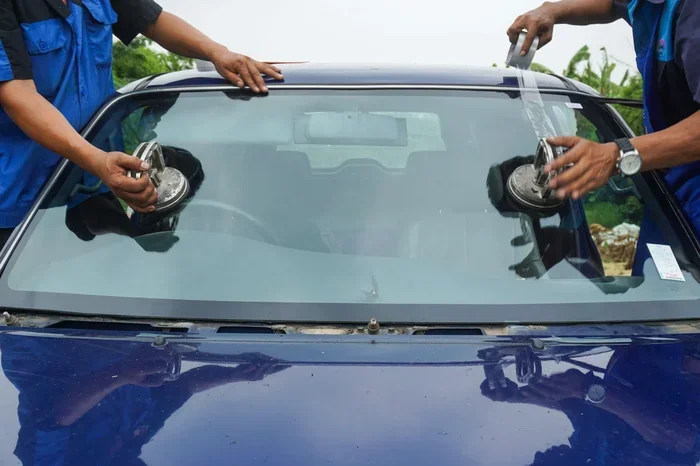
Once the frame is clean, the tech applies fresh adhesive. They set the new laminated glass into place. Laminated glass has a plastic layer that holds it together if it breaks. This is why modern windshields offer great structural support. The adhesive needs time to cure. Most shops use a fast-bond urethane that sets in about an hour.
After the glass is seated, the tech checks for leaks. They run a water test around the edges. Then they reinstall any removed sensors or cameras. Many modern cars have rain sensors or camera systems mounted near the glass. Calibration is often required after a replacement.
How Long Does a Windshield Replacement Take?
Speed matters when you’re without a car. The good news is that most replacements are fast.
Cure Time and Aftercare
The adhesive needs time to reach full strength. Most technicians advise a safe drive-away time of at least 1 hour. Some fast-cure formulas allow driving after 30 minutes. Always follow the shop’s specific advice. During the cure period, avoid pressing on the glass. Don’t slam doors or drive on rough roads. These actions can shift the glass before the bond sets.
After the cure, your new windshield is ready for normal use. You can wash your car, but avoid high-pressure sprays near the edges for 24 hours. This gives the adhesive extra time to bond fully.
Driving Safety After Installation
Your visibility should be perfect right away. If you notice any warping or distortion, tell the shop immediately. A proper installation feels seamless. You shouldn’t feel any wind noise or rattles at highway speeds. If something feels off, get it checked. A loose windshield is a serious safety risk in a rollover.
When you’re checking your wipers, you might wonder if you need a tool to change windshield wipers. The answer is usually no—just a simple lift and slide. You can also go up a size in windshield wipers if you want better coverage for the new windshield. Just make sure the new blades match your vehicle’s specifications.
Common Mistakes That Shorten Your Windshield’s Life
Even after a replacement, bad habits can cause early failure. Avoid these common pitfalls to protect your investment.
Ignoring Small Chips
That tiny rock chip seems harmless. But it’s a starting point for a crack. Temperature changes expand the damage. A small chip can turn into a long crack overnight. Fix small chips quickly to avoid a full replacement later.
Wrong DIY Fixes
DIY repair kits are tempting. They can work for very small chips. But a poor-quality resin or wrong application can distort your view. It can also void your insurance glass claim. Leave complex repairs to the professionals. They use vacuum tools that remove air bubbles properly.
Skipping Calibration
Modern cars rely on cameras near the windshield. A new glass must be aligned perfectly. Skipping calibration can cause lane-departure warnings to fail. It can also affect automatic emergency braking. Always choose a shop that offers calibration services.
Conclusion
So when should you get your windshield replaced today? If you see a crack in your line of sight, a chip larger than a quarter, or any damage that spreads, don’t wait. When Should You Get Your Windshield Replaced is a decision based on safety, not luck. A damaged windshield weakens your car’s structure and puts you at risk. Check your insurance coverage, choose quality glass, and act quickly. A clear view means a safer drive for everyone on the road.
Frequently Asked Questions
How much does windshield replacement cost?
Cost varies by vehicle and glass type. A standard replacement ranges from $200 to $400. Premium OEM glass can cost more. Your insurance may cover the full amount if you have comprehensive coverage.
Can I drive immediately after replacement?
Most shops advise waiting at least 1 hour. This allows the urethane adhesive to set. Driving too soon can compromise the bond and safety.
Does full coverage pay for a new windshield?
Yes, comprehensive coverage typically handles glass damage from rocks, storms, or vandalism. Check your policy for deductible details and glass options.
What’s the difference between OEM and aftermarket glass?
OEM glass is made by the original manufacturer and matches your car exactly. Aftermarket glass is a compatible alternative. OEM usually offers better optical clarity and fit.
Can a cracked windshield cause inspection failure?
In many states, a cracked windshield that blocks the driver’s view will fail inspection. Even small cracks in the sightline can be a reason for rejection.
How long does a windshield last?
A properly installed windshield can last the life of the vehicle. However, damage from rocks or accidents can shorten its lifespan. Regular inspections help catch problems early.