Why Do I Have to Keep Changing My Key Fob Battery So Often
A key fob battery dying too often is frustrating and costly. The main reasons include signal interference, weak remote transmitters, cold weather, and worn-out fob circuitry. Understanding why your key fob battery keeps dying helps you take simple steps to make it last longer and avoid unnecessary replacements.
You just replaced your key fob battery last month. Now it is dead again. Sound familiar? You are not alone. Thousands of car owners face the same annoying problem every year. The question on everyone’s mind is simple: why do I have to keep changing my key fob battery so often?
The truth is, there are many reasons your key fob battery keeps dying faster than it should. Some are easy to fix. Others need a closer look at your remote or your car. In this guide, we will walk through every common cause and give you practical solutions. By the end, you will know exactly what is draining your fob and how to stop it.
Whether you drive a Toyota, Honda, Ford, or any other brand, this article covers it all. We will talk about battery types, signal problems, weather effects, and even when it is time to buy a new fob. Let us get into it.
Key Takeaways
- Weak signal strength forces the key fob to use more power, draining the battery faster.
- Cold weather and extreme temperatures significantly reduce key fob battery life.
- A damaged or worn key fob draws more power than a healthy one, even with a new battery.
- Replacing the battery yourself is easy, cheap, and saves you a trip to the dealer.
- Pushing buttons too often or holding them too long wastes battery power quickly.
- Old key fob circuitry naturally degrades over time, causing more frequent battery changes.
- Smart key fobs with more features use more power than basic remotes.
📑 Table of Contents
How Key Fob Batteries Actually Work
Before we dive into the reasons, it helps to understand the basics. A key fob is a small remote transmitter. It sends a radio signal to your car. That signal tells the car to lock, unlock, or start. All of this happens wirelessly.
To send that signal, the fob needs power. That power comes from a small coin-shaped battery. Most key fobs use a CR2032 battery. These batteries are small, cheap, and widely available. They typically last between one and three years under normal conditions.
Here is how it works in simple terms:
- You press a button on the fob.
- The fob sends a coded radio signal.
- The car receives the signal and responds.
- The battery powers this entire process.
Every time you press a button, a tiny amount of battery power is used. Most of the time, this is barely noticeable. But over weeks and months, it adds up. If something causes the fob to use more power than normal, the battery dies faster.
Why Do Key Fob Batteries Die Faster Than Expected?
Several factors can shorten the life of your key fob battery. Let us look at the most common ones.
Signal Interference
Electronic devices around you can interfere with your fob’s signal. Things like laptops, phones, and even other key fobs can cause problems. When the signal gets blocked or confused, the fob sends the signal again and again. This uses extra battery power.
For example, if you keep your fob in a crowded pocket with other electronics, it may struggle to connect. The fob works harder. The battery drains faster. Simple fix? Keep your fob in a separate pocket or a small pouch.
Weak or Dying Fob Circuitry
Over time, the internal parts of a key fob wear out. Old circuitry does not work as efficiently as new circuitry. A fob with worn parts may need more power to send the same signal. This means the battery dies sooner, even if the battery itself is still good.
Cold Weather
Cold temperatures are a big enemy of batteries. When it gets really cold, the chemical reaction inside the battery slows down. This reduces the voltage output. Your fob may not work as well in winter, and the battery may seem to die faster than it should.
People who live in cold climates often notice their fob batteries need replacing more often during winter months. This is completely normal.
Frequently Pressing Buttons
This one is obvious but often overlooked. If you press your fob buttons many times a day, the battery will drain faster. Some people lock and unlock their car out of habit. Others press the panic button by accident. Every press uses a little power. Over time, all those extra presses add up.
Smart Fobs With More Features
Modern cars often come with smart key fobs. These fobs do more than just lock and unlock. They may support push-button start, remote start, and hands-free entry. All of these features require more power. A smart fob naturally uses more battery than a basic remote.
How Often Should You Replace Your Key Fob Battery?
Most key fob batteries last between one and three years. But this range is wide because usage varies so much. A fob used lightly may last three years or more. A fob used heavily may need a new battery every eight months.
Here are some general guidelines:
- Basic fobs (lock/unlock only): 2 to 3 years
- Smart fobs (with push-start and remote features): 1 to 2 years
- Fobs in cold climates: 1 to 1.5 years
- Fobs with old circuitry: 6 months to 1.5 years
If your battery dies faster than these ranges, something is likely wrong. It is worth investigating before you keep buying batteries every few months.
Signs Your Key Fob Battery Is About to Die
You do not always get a warning. But many fobs give you clues. Watch for these signs:
- The fob works only when you are very close to the car.
- You need to press buttons harder or multiple times.
- The car does not respond right away.
- The fob feels warm to the touch.
- The remote range seems shorter than usual.
If you notice any of these, it is probably time for a key fob battery replacement. Do not wait until the fob stops working completely.
Tips to Make Your Key Fob Battery Last Longer
Want to stretch out the life of your fob battery? Try these simple tips. They cost nothing and take almost no effort.
1. Keep Your Fob Away From Other Electronics
Store your fob in a dedicated spot. A small pouch or a separate pocket works great. This reduces signal interference and stops the fob from working harder than it needs to.
2. Do Not Press Buttons Unnecessarily
Be mindful of how often you use the fob. If your car has a physical key slot, use it sometimes instead of pressing the fob. Avoid pressing the panic button unless you really need it.
3. Store the Fob in a Cool Place
Heat and cold both harm batteries. Do not leave your fob in a hot car or a freezing glove box. Room temperature storage is best for battery longevity.
4. Replace the Battery With a Quality Brand
Not all batteries are the same. Cheap off-brand batteries may not last as long. Stick with trusted brands like Energizer, Duracell, or Panasonic for the best results.
5. Check the Fob for Damage
Inspect your fob regularly. If it is cracked, dropped, or exposed to moisture, the internal parts may be damaged. A damaged fob draws more power. Sometimes replacing the fob itself is the real solution.
6. Keep the Battery Contacts Clean
Dust or corrosion on the battery contacts can cause poor connection. Use a dry cloth to gently clean the contacts before inserting a new battery. This ensures a strong connection and efficient power use.
Quick Tips Section
- Tip: Always carry a spare battery in your glove box.
- Tip: Write the date of replacement on the new battery with a marker.
- Tip: If the fob still does not work after a battery swap, the problem may be the fob itself, not the battery.
- Tip: Some fobs have a backup physical key. Use it to reduce fob usage when possible.
When a New Battery Is Not Enough: Fob Repair vs Replacement
Sometimes you replace the battery and the fob still does not work. This is a clear sign that the problem is bigger than a dead battery. In these cases, you need to decide between repairing the fob or replacing it entirely.
When to Repair
If your fob is only a few years old and the buttons still work intermittently, a repair may be enough. Common repairs include:
- Replacing the battery contacts
- Resoldering loose internal connections
- Replacing the circuit board
- Reprogramming the fob to the car
Repairs are usually cheaper than a full replacement. But they are not always available for older fob models.
When to Replace
If the fob is more than five years old, has physical damage, or the repair cost is close to the price of a new one, replacement makes more sense. You can visit a dealership to get a factory-matched fob. Alternatively, you can buy aftermarket fobs online or at auto parts stores.
If you are wondering whether dealerships replace key fobs, the answer is yes. Most dealerships offer fob replacement services. They can also program the new fob to your car. However, this service can be expensive. Expect to pay anywhere from $100 to $400 depending on your car brand and model.
For a more affordable option, you can buy a replacement fob and program it yourself. Many modern fobs come with simple programming instructions in the owner’s manual. If you are not comfortable doing it yourself, a local locksmith can often help at a lower cost.
Can You Replace a Key Fob Battery Yourself?
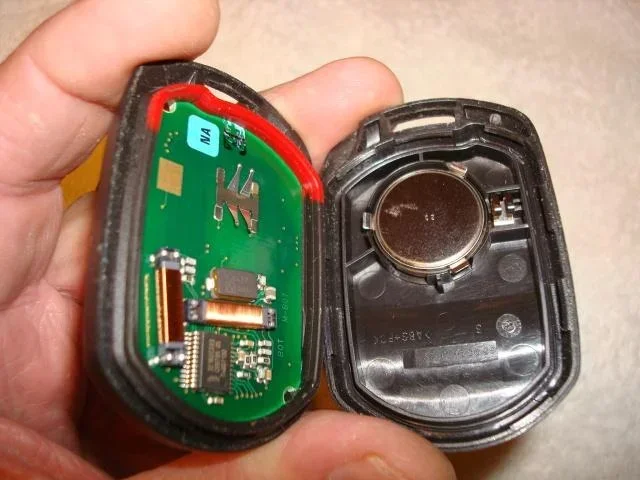
Yes, you absolutely can. Most key fobs are designed to be user-friendly. You do not need special tools or technical skills. To replace a car key fob battery yourself, follow these simple steps:
- Find the small seam or notch on the fob.
- Use a flathead screwdriver or a coin to pry it open.
- Remove the old battery and note its orientation.
- Insert the new battery in the same orientation.
- Snap the fob back together.
- Test the fob by pressing a button near your car.
It really is that simple. This small DIY task can save you time and money. If you want a detailed walkthrough, check out our guide on Can You Replace A Car Key Fob Battery Yourself for step-by-step instructions.
Can a Bad Key Fob Drain Your Car Battery?
Yes, it can. A faulty or constantly transmitting key fob can actually drain your car battery too. If your fob is left too close to the car overnight, it may keep sending signals. This slowly drains both the fob battery and the car battery.
If you notice your car battery is weak and your fob is acting strange, both problems may be connected. A bad key fob drain your car battery more often than you might think. Keeping your fob at least a few feet away from the car when parked can help prevent this issue.
For more details on this connection, read our article Can A Bad Key Fob Drain Your Car Battery. It covers the topic in depth and offers practical solutions.
The Link Between Fob Health and Car Health
It is easy to think of the key fob and the car as separate systems. But they are deeply connected. A struggling fob puts extra stress on the car’s receiver module. Over time, this can lead to bigger electrical issues. Keeping your fob in good shape helps protect your car’s electronics too.
Regular maintenance of both your fob and your car is the best approach. Replace fob batteries on schedule. Keep the fob clean and dry. And if the fob starts acting up, address it quickly before small problems become big ones.
Common Mistakes That Shorten Key Fob Battery Life
Many of us unknowingly do things that kill our fob batteries faster. Here are the most common mistakes:
- Dropping the fob frequently. Even small drops can damage internal components and increase power draw.
- Storing the fob near strong magnets. Magnets can interfere with the fob’s circuitry and signal.
- Using the fob as a keychain. Heavy keychains put pressure on the buttons and can cause accidental signal sends.
- Ignoring low battery warnings. Many fobs beep or flash when the battery is low. Ignoring these warnings forces the fob to work harder.
- Buying cheap batteries. Low-quality batteries may seem cheaper but die much faster than reputable brands.
- Leaving the fob near electronic devices. Phones, tablets, and laptops all emit signals that can interfere with the fob.
Avoiding these simple mistakes can add months or even years to your fob battery life.
Expert Insights
According to automotive technicians, most fob battery issues come down to three things: age of the fob, environmental conditions, and usage habits. A certified auto electrician once told us, “I see customers replacing fob batteries every few months, and nine times out of ten, the fob itself is the problem. The battery is fine. The old circuitry just cannot hold a proper signal anymore.”
This is an important insight. If you are constantly replacing batteries and the problem keeps coming back, the fob is likely the root cause. No amount of fresh batteries will fix a dying fob.
Another expert tip: always keep your fob firmware updated if your car model supports it. Some manufacturers release updates that improve power efficiency. Check with your dealer or look up your car model online to see if updates are available.
Conclusion
So why do you have to keep changing your key fob battery so often? The answer is usually a combination of factors. Signal interference, cold weather, old fob circuitry, and heavy usage all play a role. The good news is that most of these causes are easy to address.
Start by following the simple tips in this article. Store your fob properly. Use quality batteries. Avoid unnecessary button presses. And if the battery keeps dying despite your best efforts, it may be time to replace the fob itself.
Remember, a healthy fob means a smoother driving experience. It also saves you money in the long run. Take care of your key fob, and it will take care of you.
If you are dealing with fob issues right now, do not wait. Replace the battery today and test the range. If it still does not work well, consider a repair or a full replacement. Your future self will thank you every time you walk up to your car and it unlocks on the first try.
Frequently Asked Questions
Why does my key fob battery keep dying every few months?
The most common reason is that your fob is old and the internal circuitry is wearing out. Other causes include signal interference, cold weather, and frequent button use. If you have replaced the battery multiple times and it keeps dying, the fob itself likely needs to be replaced or repaired.
How long should a key fob battery last?
Most key fob batteries last between one and three years. Basic fobs with fewer features tend to last longer, while smart fobs with push-start and remote features drain faster. Cold weather and heavy usage can shorten this lifespan significantly.
Can I use any battery to replace my key fob battery?
Most key fobs use a CR2032 battery, but always check your owner’s manual first. Using the wrong battery type can damage the fob or cause it to malfunction. Stick with the recommended battery size and brand for best results.
Does removing the key fob battery when not in use help it last longer?
Yes, removing the battery when the fob is not used for extended periods can help preserve battery life. However, this also means you will need to reprogram the fob when you put the battery back in. This is a good strategy if you have a spare fob that sits unused for long stretches.
What should I do if my new key fob battery dies within weeks?
If a new battery dies quickly, the problem is likely the fob itself, not the battery. Old circuitry, damaged components, or water exposure can all cause excessive battery drain. Consider taking the fob to a dealership or locksmith for inspection. You can also check our guide on Do Dealerships Replace Key Fobs for more options.
Is it cheaper to replace a key fob battery or buy a new fob?
A battery replacement costs only a few dollars and takes minutes. A new fob can cost anywhere from $50 to $400 depending on your car. Always try a battery replacement first. If the fob still does not work after a fresh battery, then investing in a new fob makes more sense financially.