Why Is My Tire Pressure Light Still On After Filling Tires
If your tire pressure light won’t turn off after you fill up, it can be frustrating. This guide answers Why Is My Tire Pressure Light Still On After Filling Tires and gives you simple fixes. You’ll learn about TPMS resets, sensor issues, and when a mechanic is needed. We also cover common mistakes and quick tips to keep your tire pressure monitoring system working right.
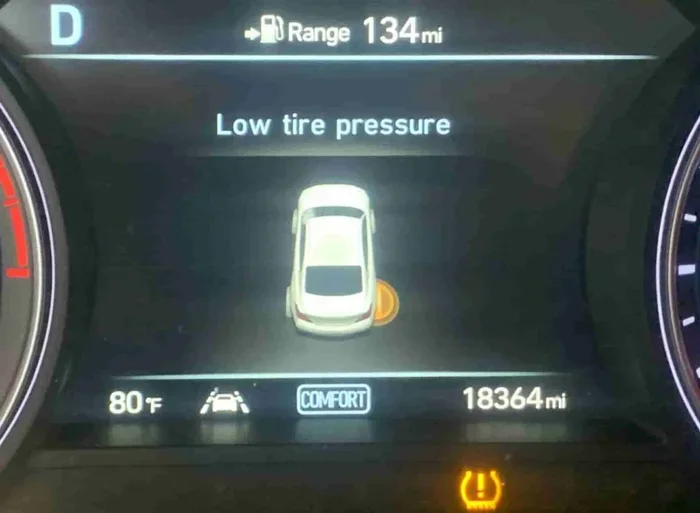
If you just filled your tires and the tire pressure light is still glowing, you’re not alone. This is a very common situation that trips up many drivers. The warning is part of your car’s tire pressure monitoring system (TPMS). Its job is to keep you safe by alerting you when pressure is too low or too high. Sometimes the light stays on even after you’ve added air. That doesn’t always mean something is broken. It often means the system just needs a reset or a small adjustment.
Understanding why the light stays on helps you avoid unnecessary trips to the shop. It also saves you time and money. In this article, we’ll walk through every possible reason. We’ll give you clear steps to fix the problem yourself. You’ll also learn when it’s smart to call a professional. By the end, you’ll know exactly how to handle a tire pressure light that won’t turn off.
Key Takeaways
- TPMS Reset Needed: The system often requires a manual reset after checking pressure.
- Cold Weather Effect: Temperature drops can cause pressure to fall, triggering the light even after filling.
- Slow Leak or Damaged Valve: A small puncture or faulty valve stem can cause continuous pressure loss.
- Sensor Battery Failure: The TPMS sensor battery may be dead, causing a persistent warning.
- Overinflation or Underinflation: Filling to the wrong PSI keeps the light on.
- System Calibration: Some vehicles need a drive cycle to recalibrate after pressure adjustment.
📑 Table of Contents
Why Is My Tire Pressure Light Still On After Filling Tires? (The Real Reasons)
The tire pressure light is a simple warning, but the reasons behind it can vary. Here are the most common causes. Each one is easy to check and fix.
The TPMS System Needs a Manual Reset
Most cars don’t automatically recognize new air. After you check or fill your tires, the system needs a reset. This tells the computer that the pressure is now correct. Without a reset, the light stays on. The process is different for every vehicle. Some cars have a reset button under the steering wheel. Others require you to hold a button in the infotainment menu. If you’ve ever reset an oil change light, the idea is similar. You can find the exact steps in your owner’s manual. Many drivers also search for how to reset the TPMS light online. A quick reset often solves the problem in minutes.
Cold Weather and Pressure Fluctuations
Air pressure inside a tire changes with temperature. When the weather gets cold, the air inside the tire contracts. This can drop the pressure by 1 PSI for every 10-degree drop in temperature. So if you filled your tires on a warm afternoon and then drove into a cold night, the light might come on. The low tire pressure warning is simply reacting to the natural drop. This is a very common reason the light stays on after filling. It’s not a leak. It’s just physics. Driving the car for a while warms up the tires and the pressure rises again. The light often turns off on its own after a few miles.
A Slow Leak or Damaged Valve Stem
Even a tiny puncture can cause the light to stay on. A slow leak might not be visible to the naked eye. The tire loses air so gradually that you don’t notice it. The valve stem is another common culprit. The small rubber or metal piece that holds the air can crack or become loose. Dirt or corrosion around the valve can also let air seep out. If you’ve filled the tires but the light returns a few days later, a slow leak is likely. You can check this by applying soapy water to the tire and valve. Bubbles will form where air is escaping. A damaged valve stem is an easy and cheap fix at any tire shop.
TPMS Sensor Battery Failure
Each tire has a small sensor that sends pressure data to your car’s computer. These sensors run on a battery. The battery typically lasts 5 to 10 years. When it dies, the sensor can’t send a signal. The car then shows a TPMS warning that looks like a flat tire. This light will stay on no matter how much air you add. A dead sensor battery is a common reason the tire pressure light stays on after filling. You’ll need to replace the sensor battery or the whole sensor unit. A mechanic can do this quickly. Some sensors are also affected by cold or dead batteries in the key fob, which can interfere with the signal.
Incorrect PSI When Filling
Every car has a recommended tire pressure. You’ll find this number on a sticker inside the driver’s door or in the owner’s manual. It’s not the number printed on the tire itself. That number is the maximum pressure the tire can handle. If you overinflate or underinflate, the TPMS light will stay on. Overinflation makes the tire ride hard and wear unevenly. Underinflation reduces fuel economy and can cause overheating. Always use a reliable tire pressure gauge to check the exact PSI. An air pump at a gas station often has a gauge, but it’s not always accurate. Checking with your own gauge before and after filling is a smart habit.
The System Needs a Drive Cycle to Recalibrate
Some vehicles require a drive cycle after you adjust tire pressure. This means you need to drive at a steady speed for a few miles. The computer then learns the new pressure levels and turns off the light. If you just filled the tires and parked the car, the system might still be in a learning mode. A short drive of 10 to 15 minutes often does the trick. This is especially true for newer models with advanced tire pressure monitoring systems. If the light doesn’t go off after driving, a reset is usually the next step.
How to Reset Your Tire Pressure Light
Resetting the light is straightforward once you know the steps. The process is similar to resetting other car warnings like the oil change light. You can often do it yourself without any tools. Here’s a general guide that works for most vehicles.
- Make sure all tires are at the correct PSI. Use a tire pressure gauge to check each one.
- Locate the TPMS reset button. It’s usually under the steering wheel or on the dashboard.
- Turn the ignition to the “on” position without starting the engine.
- Press and hold the reset button until the warning light blinks three times.
- Start the car and drive at or above 50 mph for 10 to 20 minutes.
- The light should turn off. If it doesn’t, the system may need a professional scan tool.
Some newer cars let you reset the system through the infotainment screen. You’ll go to the vehicle settings menu, find the TPMS option, and select “reset.” If you’re unsure, you can also check the difference between a check engine light and maintenance required light to understand what your specific warning means. The tire pressure light is usually a maintenance reminder, not a serious engine problem.
You can also reset the system by inflating the tires to the correct pressure and then driving for a while. The car’s computer often relearns the pressure automatically. If you’ve recently replaced a key fob battery, make sure the fob is working properly. A weak fob battery can sometimes interfere with TPMS communication. For more details on sensor resets, you might read about can I reset my own TPMS sensor for step-by-step instructions.
When to See a Mechanic
Most of the time, the tire pressure light is easy to fix at home. But there are moments when professional help is the right choice. You should see a mechanic if:
- The light stays on even after you reset the system and check the PSI.
- You notice a hissing sound or visible damage to the tire.
- The TPMS warning flashes instead of staying solid. A flashing light often signals a sensor malfunction.
- Multiple warning lights appear at the same time, like the check engine light and the tire pressure light.
- You’ve replaced the valve stem or sensor but the light still won’t go off.
A mechanic has a diagnostic scanner that can read the exact TPMS code. They can tell you if a sensor needs replacement or if there’s a deeper wiring issue. Ignoring a persistent light can lead to uneven tire wear or a blowout. It’s always better to get a quick inspection than to risk safety.
Preventing the Tire Pressure Light from Coming Back
Once you’ve fixed the issue, you can take steps to stop it from returning. Regular maintenance is the best defense. Here are a few habits that keep your tire pressure monitoring system happy.
- Check pressure monthly. Tires naturally lose about 1 PSI per month. A quick check keeps you ahead of problems.
- Inspect valve stems. Look for cracks or dirt around the valve. Replace the valve cap if it’s missing.
- Use a quality tire gauge. The built-in gauges at gas stations can be off by several PSI. A digital or dial gauge is more reliable.
- Adjust for temperature changes. In cold weather, add a little extra air to compensate for the drop in pressure.
- Reset after every fill. Make it a habit to reset the TPMS light whenever you check or add air.
These simple steps take only a few minutes each month. They extend the life of your tires and improve fuel economy. They also give you peace of mind every time you get behind the wheel.
Quick Tips and Common Mistakes
Quick Tips
- Keep a tire pressure gauge in your glove box. It’s one of the most useful tools you can own.
- Check tire pressure when the tires are cold. Driving heats up the air and gives a false high reading.
- Don’t rely on the TPMS light alone. It only warns you when pressure is already significantly low.
- Reset the system after every rotation or fill-up to keep the computer up to date.
- If you’ve just installed new tires, make sure the TPMS sensors are properly seated.
Common Mistakes
- Using the tire sidewall PSI as the target. That’s the maximum, not the recommended pressure.
- Ignoring a flashing TPMS light. A solid light means low pressure. A flashing light means a sensor fault.
- Overinflating to “be safe.” Too much air is just as dangerous as too little.
- Skipping the reset after filling. The computer won’t clear the warning on its own in most cars.
- Assuming the light means a flat tire. It could be a sensor battery or a temperature change.
Avoiding these mistakes saves you time and prevents unnecessary trips to the dealer. It also keeps your tire pressure light from becoming a constant annoyance.
Expert Insight
Many drivers worry when the tire pressure light comes on. They think it means a serious mechanical failure. In most cases, it’s a simple issue that a few minutes of work can fix. The tire pressure monitoring system is designed to be sensitive. It catches even small drops in pressure. That sensitivity is a safety feature, not a sign of trouble. If you’ve filled your tires and the light stays on, don’t panic. Follow the reset steps, check for slow leaks, and make sure the PSI is correct. If the light still won’t go off, a quick visit to a tire shop will solve it. Keeping your tires properly inflated is one of the easiest ways to improve safety, handling, and fuel economy.
Remember that the TPMS is just one part of your car’s overall health. If you’ve ever wondered about other dashboard lights, you can read about the difference between a check engine light and maintenance required light to understand what each warning means. You can also learn about do you have to reset the light after an oil change to see how similar the reset process is across different systems. These small bits of knowledge make you a more confident driver.
Conclusion
The question Why Is My Tire Pressure Light Still On After Filling Tires has a clear answer in most cases. The light usually stays on because the system needs a reset, the pressure is slightly off, or a sensor battery is weak. With the right tools and a little patience, you can fix it yourself. Check the PSI, reset the system, and drive for a few miles. If the light still won’t turn off, a mechanic can scan the sensors and find the real problem. Regular tire maintenance keeps your car safe and your tires lasting longer. Don’t ignore the warning, but also don’t fear it. You now have the knowledge to handle it like a pro.
Frequently Asked Questions
Can I drive with the tire pressure light on?
You can drive a short distance if the light is solid, but it’s not recommended. The light means your tire pressure is outside the safe range. Driving on underinflated tires can cause overheating and a blowout. If the light flashes, pull over safely and check the tires right away. It’s always best to add air and reset the system before driving far.
How do I know if my TPMS sensor battery is dead?
A dead sensor battery usually triggers a flashing TPMS light or a message on the dashboard. You may also see the light come and go randomly. The only way to confirm is to have a mechanic scan the sensor with a diagnostic tool. Most sensor batteries last 5 to 10 years and need replacement when they die.
Why does my tire pressure light come on in cold weather?
Cold air causes the pressure inside your tires to drop. The TPMS system detects this drop and turns on the light. This is normal and not a sign of a leak. Driving for a few minutes warms the tires and the pressure rises. The light often turns off on its own. If it doesn’t, you may need to add a little extra air to compensate.
What happens if I ignore the tire pressure light?
Ignoring the light can lead to uneven tire wear, reduced fuel economy, and unsafe driving conditions. Underinflated tires overheat and are more prone to blowouts. Overinflated tires have a smaller contact patch and wear out the center of the tread faster. It’s best to address the light as soon as it appears.
Can I reset the TPMS light myself?
Yes, most vehicles allow you to reset the TPMS light with a button or through the infotainment menu. You’ll find the exact steps in your owner’s manual. The process is similar to resetting the oil change light or other maintenance reminders. If you’re unsure, you can also search for a guide specific to your car model.
How much does it cost to replace a TPMS sensor?
A single TPMS sensor costs between $50 and $100 for the part. Labor adds another $20 to $50 per sensor. Some shops offer a bundle price for replacing all four sensors at once. If the sensor battery is dead, you may only need to replace the battery, which is cheaper. A mechanic can tell you the exact cost after a quick inspection.