How Do Hybrid Cars Work Toyota Explained For Beginners
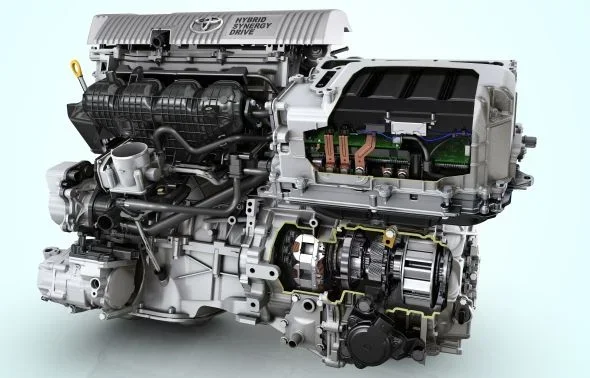
Toyota hybrid cars combine a gasoline engine and electric motor to deliver exceptional fuel efficiency and lower emissions. The Toyota Hybrid Synergy Drive system uses a power-split device, regenerative braking, and a hybrid battery pack to seamlessly switch between power sources. This guide breaks down every component so beginners can understand exactly how Toyota hybrids work under the hood.
Have you ever wondered what makes a Toyota hybrid car different from a regular gasoline vehicle? The answer lies in a clever combination of two power sources working together behind the scenes. How do hybrid cars work Toyota style? It is simpler than most people think.
Toyota has been perfecting its hybrid technology for over 25 years. The company introduced the original Toyota Prius in 1997 and changed the automotive world forever. Today, Toyota offers hybrid versions of nearly every model in its lineup. From compact sedans to spacious SUVs, the Toyota hybrid system delivers outstanding fuel efficiency without sacrificing performance.
But here is the real question most beginners ask: what is actually happening inside the car when you drive it? This guide will walk you through every part of the process. You will learn about the gasoline engine, the electric motor, the battery pack, and how all of these pieces work together. By the end, you will understand Toyota hybrid technology better than most car owners do.
Key Takeaways
- Dual Power Sources: Toyota hybrids use both a gasoline engine and electric motor working together for optimal performance.
- Regenerative Braking Recycles Energy: When you brake, the system captures energy and stores it back in the hybrid battery pack.
- No Plug-In Required: Standard Toyota hybrids self-charge while driving, making them convenient for everyday use.
- Toyota Hybrid Synergy Drive: This is the core technology that manages power distribution between the engine and motor seamlessly.
- Exceptional Fuel Economy: Hybrid vehicles deliver significantly better miles per gallon compared to traditional gasoline-only cars.
- Low Maintenance Costs: Fewer brake replacements and efficient engine use reduce long-term ownership expenses.
📑 Table of Contents
What Makes a Toyota Hybrid Different
A traditional car relies on one power source: a gasoline engine. A Toyota hybrid uses two. The car has a gasoline engine and an electric motor. These two work together to move the vehicle forward. Sometimes one handles the work alone. Sometimes both share the load.
The magic happens in how the system decides which power source to use. The Toyota Hybrid Synergy Drive acts like a brain. It constantly monitors driving conditions and分配 power where it is needed most. This is what makes Toyota hybrids so efficient.
The Two Power Sources
The gasoline engine in a Toyota hybrid is smaller than the one in a regular car. It is designed to work alongside the electric motor, not carry all the work alone. The electric motor fills in the gaps. It provides extra power when you accelerate hard or climb hills.
The electric motor also handles low-speed driving. When you pull out of a parking spot or crawl through traffic, the electric motor does all the work. This means the gasoline engine stays off during those moments. No fuel gets wasted. No extra emissions get created.
The hybrid battery pack stores energy for the electric motor. Unlike most people think, you do not need to plug in a standard Toyota hybrid. The car charges itself while you drive. This is one of the biggest advantages of the Toyota hybrid system.
How the Toyota Hybrid Powertrain Works
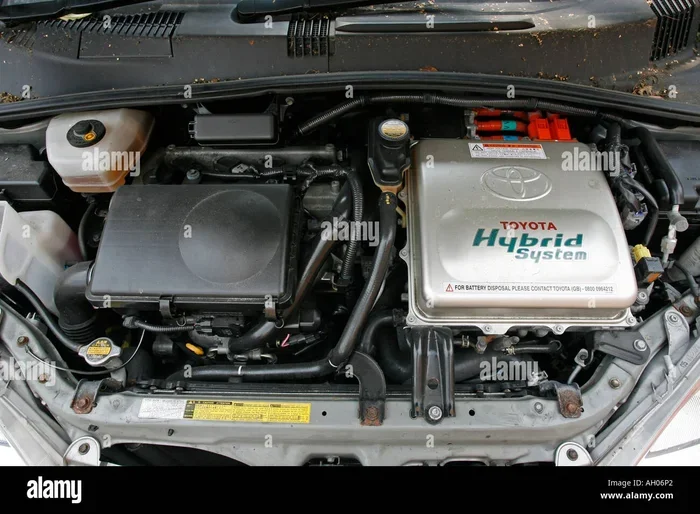
The powertrain is the heart of any hybrid vehicle. In a Toyota hybrid, the powertrain includes the gasoline engine, electric motor, transmission, and battery pack. All of these components communicate with each other constantly. The result is a driving experience that feels smooth and natural.
The Power Split Device
Toyota uses a special device called a power splitter. It is also known as a planetary gear set. This clever mechanism splits power between the gasoline engine and electric motor. It also combines power from both sources when extra speed is needed.
Here is how it works in simple terms. When you start driving, the power splitter decides the best mix of energy. At low speeds, the electric motor takes over. At highway speeds, the gasoline engine kicks in. During hard acceleration, both sources work together. The driver never has to think about any of this. The system handles everything automatically.
This is what sets Toyota hybrid technology apart from other systems. The transitions between electric and gasoline power happen seamlessly. You barely notice when one source hands off to the other.
Electric-Only Driving Mode
One of the coolest features of a Toyota hybrid is electric-only mode. At low speeds or when cruising gently, the car runs entirely on electricity. The gasoline engine shuts off completely. This means zero fuel consumption and zero tailpipe emissions during those moments.
Electric-only mode works best in city driving. Stop-and-go traffic is where Toyota hybrids shine. The electric motor handles the slow movements, and the gasoline engine stays silent. When you need more power, the system switches back to the engine automatically.
Regenerative Braking: The Secret Sauce
Regenerative braking is what makes Toyota hybrids truly special. Traditional cars waste energy every time you hit the brakes. All that kinetic energy turns into heat and disappears. Toyota hybrids capture that energy and put it to good use.
How Regenerative Braking Works
When you take your foot off the accelerator or press the brake pedal, the electric motor reverses its role. Instead of using electricity to move the car, it now uses the motion of the car to generate electricity. This electricity flows back into the hybrid battery pack for later use.
Think of it like catching rainwater in a barrel. Instead of letting the water run off and disappear, you collect it for a dry day. Every time you slow down or brake, you are refueling your hybrid battery. This is why Toyota hybrids get such impressive fuel economy numbers.
Benefits of Regenerative Braking
- Longer brake pad life: Because the electric motor handles most slowing down, your brake pads last much longer.
- Free energy recovery: You never waste kinetic energy again. It all gets stored for later use.
- Smoother driving experience: The transition between regenerative and traditional braking feels seamless.
- Better overall efficiency: More energy in the system means less fuel consumed over time.
If you want to learn more about maintaining your hybrid, check out how to reset your oil life to keep your Toyota running in top shape.
The Toyota Hybrid Battery: What You Need to Know
The battery in a Toyota hybrid is different from the battery in a regular car. A standard car battery provides a quick burst of energy to start the engine. A Toyota hybrid battery stores energy over longer periods and powers the electric motor continuously.
Types of Hybrid Batteries
Toyota uses two main types of batteries in its hybrid vehicles. Nickel-metal hydride batteries were used in earlier models. They are durable and reliable. Most newer Toyota hybrids use lithium-ion batteries. These are lighter, more compact, and hold more energy per pound.
Both battery types are designed to last the lifetime of the vehicle. Toyota engineers built these batteries to handle thousands of charge and discharge cycles. They are also sealed and maintenance-free. You never need to add water or clean terminals.
Battery Placement and Safety
Toyota places the hybrid battery pack in a safe location. In most models, it sits under the rear seats or in the trunk area. The battery is protected by a sturdy metal enclosure. Toyota also designed the system with multiple safety layers.
If the car detects a problem, it automatically shuts down the high-voltage system. The battery pack is also designed to withstand extreme temperatures. Whether you live in freezing winters or scorching summers, the battery performs reliably.
Battery Longevity and Replacement
Most Toyota hybrid batteries last 150,000 to 200,000 miles or more. Many owners never need a replacement during their ownership period. When replacement does become necessary, the cost has dropped significantly over the years. Toyota also offers extended warranties on hybrid batteries in many markets.
Wondering if a hybrid battery affects your ability to jump-start the car? You can jump start a Toyota hybrid battery using the standard 12-volt auxiliary battery. The process is straightforward and safe when done correctly.
Toyota Hybrid Models and Their Capabilities
Toyota offers hybrid versions across its entire vehicle lineup. Each model uses the same core Toyota hybrid technology but is tuned for different needs. Here is a look at some popular Toyota hybrid models and what makes each one special.
Toyota Prius
The Prius is the original hybrid car that started it all. It remains one of the most fuel-efficient vehicles on the road. The latest Prius delivers over 50 miles per gallon in combined driving. Its sleek design and aerodynamic shape help maximize efficiency.
The Prius is perfect for city commuters and daily drivers. The electric-only mode works beautifully in stop-and-go traffic. The Toyota Hybrid Synergy Drive system in the Prius has been refined over multiple generations to deliver the best possible performance.
Toyota RAV4 Hybrid
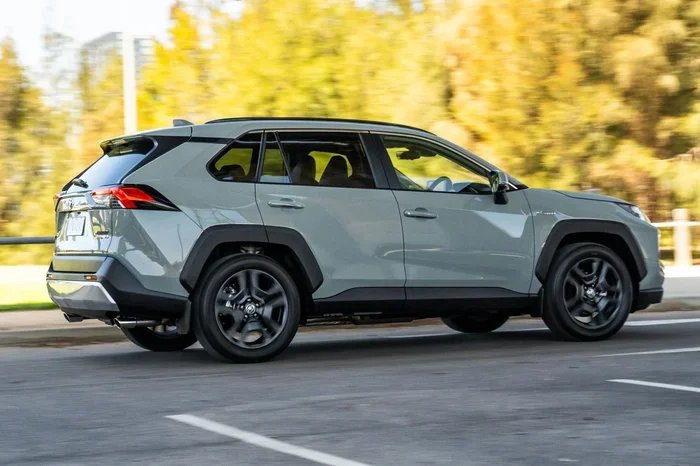
The RAV4 Hybrid brings Toyota hybrid technology to the SUV segment. It combines the efficiency of a hybrid system with the versatility of a compact SUV. The RAV4 Hybrid delivers around 40 miles per gallon while still providing confident highway passing power.
For families who need space and efficiency, the RAV4 Hybrid hits the sweet spot. It offers all-wheel drive capability and ample cargo room. The hybrid crossover SUV category has become one of the fastest-growing segments in the auto industry.
Toyota Camry Hybrid
The Camry Hybrid proves that efficiency does not mean sacrificing comfort. This midsize sedan delivers smooth, quiet electric driving alongside a powerful gasoline engine. The combined system output provides spirited acceleration when needed.
The Camry Hybrid is an excellent choice for long highway commutes. Its fuel efficiency numbers rival smaller cars. The ride quality remains comfortable and refined throughout. Many drivers report that the Camry Hybrid feels just as capable as its gasoline-only counterpart.
Common Hybrid Maintenance Tips
Toyota hybrids are known for being low-maintenance vehicles. The hybrid system requires less upkeep than a traditional drivetrain. However, there are still things you should do to keep your hybrid running at its best.
Regular Maintenance Items
- Engine oil: Even though the electric motor handles much of the driving, the gasoline engine still needs regular oil changes.
- Tire rotations: Hybrids are heavier than their gasoline counterparts due to the battery pack. Proper tire care ensures even wear.
- Coolant checks: The hybrid battery pack has its own cooling system. Keeping coolant levels correct protects the battery.
- Cabin air filter: If you notice reduced airflow from your vents, check whether your cabin air filter needs replacing. This is a simple fix that improves comfort.
What to Avoid
Toyota hybrids are designed for daily driving and regular use. One common misconception is that hybrids can sit unused for long periods. In reality, leaving a hybrid parked for weeks or months can drain the battery. If you need to store your vehicle, make sure to drive it at least once a week.
For guidance on how long a hybrid can sit without being driven, check out this helpful resource on how long a hybrid can sit without being driven.
Resetting Your Maintenance Indicators
After completing an oil change or other service, you will want to reset the maintenance light on your dashboard. This keeps your service schedule accurate. If you are unsure how to do this, consult your owner manual or search for a model-specific guide. Keeping up with your maintenance schedule helps the hybrid system perform at peak efficiency for years to come.
Is a Toyota Hybrid Right for You
Deciding whether to buy a Toyota hybrid depends on your driving habits and priorities. Hybrids offer clear advantages for certain types of drivers. They also have a few considerations worth thinking about before making the purchase.
Who Benefits Most from a Toyota Hybrid
- City drivers: Stop-and-go traffic is where hybrids save the most fuel. The electric-only mode handles low-speed driving perfectly.
- Long commuters: If you drive 30 or more miles daily, the fuel savings add up quickly over months and years.
- Environmentally conscious buyers: Hybrids produce significantly fewer emissions than gasoline-only vehicles.
- Budget-conscious families: Better fuel economy means spending less at the pump every single week.
Things to Consider
Hybrids typically cost more upfront than their gasoline-only versions. The price difference has narrowed over the years, but it is still there. However, most drivers recoup this cost through fuel savings within a few years of ownership.
Another consideration is that hybrids use both a gasoline engine and a high-voltage electric system. While Toyota has made these systems extremely safe, it is worth understanding the basics. For example, if you ever need assistance, it is generally okay to jump start a hybrid car using the 12-volt battery, not the high-voltage hybrid system.
Overall, Toyota hybrids offer an excellent balance of efficiency, reliability, and practicality. They work well for nearly every driving scenario. Whether you commute through busy city streets or cruise open highways, the Toyota hybrid system adapts to your needs effortlessly.
Conclusion
Understanding how do hybrid cars work Toyota style is easier than most people expect. The system combines a gasoline engine and electric motor seamlessly. The power splitter manages energy distribution automatically. Regenerative braking captures wasted energy and stores it for later use. The hybrid battery pack provides reliable power for the electric motor without ever needing a plug.
Toyota has spent decades refining its hybrid technology. The result is a driving experience that is efficient, smooth, and practical. Whether you choose a Prius, RAV4 Hybrid, Camry Hybrid, or any other Toyota hybrid model, you are getting a vehicle that is designed to go further on less fuel.
The beauty of the Toyota hybrid system is its simplicity. You do not need to understand every technical detail to enjoy the benefits. Just drive the car, and the system handles the rest. With proper maintenance and regular use, your Toyota hybrid will deliver reliable, efficient transportation for many years to come.
Take some time to explore your vehicle’s features. Learn how the hybrid system responds to your driving style. And remember, the more you understand about your car, the better you can care for it. Toyota hybrid technology is here to stay, and it continues to evolve with each new model year.
Frequently Asked Questions
How does a Toyota hybrid car charge its battery?
Toyota hybrids use regenerative braking and the gasoline engine to charge the battery. When you brake or coast, the electric motor acts as a generator and sends electricity back to the battery. You never need to plug in a standard Toyota hybrid. The system charges itself while you drive.
Can you drive a Toyota hybrid on electricity alone?
Yes, Toyota hybrids can drive in electric-only mode at low speeds and light throttle. The gasoline engine automatically shuts off during these conditions. However, the electric-only range is limited and the gasoline engine kicks in when more power is needed.
How long does a Toyota hybrid battery last?
Most Toyota hybrid batteries last between 150,000 and 200,000 miles. Many owners never need a replacement during normal ownership. Toyota also provides extended warranties on hybrid batteries in many regions, giving owners extra peace of mind.
Is it safe to jump start a Toyota hybrid?
Yes, it is safe to jump start a Toyota hybrid using the 12-volt auxiliary battery. You should never attempt to jump the high-voltage hybrid battery directly. Always follow the jump-start procedures outlined in your owner manual for safety.
What is the Toyota Hybrid Synergy Drive?
The Toyota Hybrid Synergy Drive is the system that manages power between the gasoline engine and electric motor. It uses a power-split device to determine the best energy mix for any driving condition. This system is the core technology that makes Toyota hybrids so efficient and seamless.
Do Toyota hybrids require special maintenance?
Toyota hybrids require the same basic maintenance as regular cars, including oil changes and tire rotations. The hybrid system itself is mostly maintenance-free. The regenerative braking system also reduces wear on brake components, lowering overall maintenance costs over time.