Find Out How Many Toyota Plants Are in the US Today
Toyota operates six major manufacturing plants across the United States, spanning states from Kentucky to Alabama. These Toyota plants produce millions of vehicles and engines every year, supporting thousands of American jobs. If you have ever wondered about the scale of Toyota’s US manufacturing footprint, this guide breaks it all down.
Toyota is one of the biggest names in the auto industry. The company has been building cars in America for decades. But how many Toyota plants are actually in the US today? The answer might surprise you.
Toyota operates six major manufacturing plants across the United States. Each facility plays a unique role in producing vehicles, engines, and components. From the rolling hills of Kentucky to the plains of Texas, these plants form a powerful manufacturing network. Together, they help Toyota meet the huge demand for reliable vehicles in North America.
In this article, we will walk through every Toyota plant in the US. We will cover where they are located, what they produce, and why they matter. Whether you are a car enthusiast, a job seeker, or just curious about American manufacturing, this guide has you covered.
Key Takeaways
- Six Major Plants: Toyota runs six manufacturing facilities across the United States, each with a specific production focus.
- Kentucky Leads: The Georgetown, Kentucky plant is the largest and produces the most vehicles of any Toyota facility in the US.
- Diverse Production: Toyota plants build sedans, SUVs, trucks, engines, and transmissions across multiple states.
- Economic Impact: Toyota’s US operations create tens of thousands of direct and indirect jobs nationwide.
- Future Growth: Toyota continues investing in US manufacturing, including new technologies and expanded production lines.
- Quality Standards: Every Toyota plant follows strict quality and safety protocols that set industry benchmarks.
📑 Table of Contents
- How Many Toyota Plants Are in the US?
- A Closer Look at Each Toyota Plant in the US
- What Makes Toyota Plants Stand Out?
- Toyota’s Manufacturing Footprint Beyond the US
- How Toyota Plants Impact Local Economies
- The Future of Toyota Manufacturing in the US
- Common Mistakes People Make About Toyota Plants
- Quick Tips If You Are Considering a Toyota Vehicle
- Final Thoughts
How Many Toyota Plants Are in the US?
Toyota currently operates six manufacturing plants on US soil. These facilities are spread across six different states. Each plant focuses on specific vehicles or components. This division of labor helps Toyota keep production efficient and costs manageable.
The six Toyota plants are located in Kentucky, Indiana, Texas, Alabama, Mississippi, and West Virginia. Combined, these facilities employ over 30,000 workers directly. When you add indirect jobs in the supply chain, the number grows even larger. Toyota’s US manufacturing footprint is massive and continues to expand.
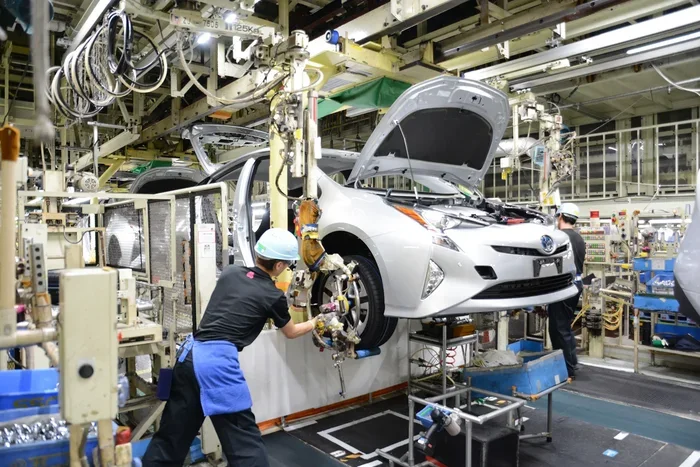
What makes these plants special? They are not just assembly lines. Many Toyota facilities handle everything from stamping and welding to painting and final assembly. This vertical integration gives Toyota better control over quality. It also allows for faster production timelines.
For comparison, when you think about how many cars a car factory makes in a day, Toyota plants are among the most productive in the world. A single plant can produce thousands of vehicles every week. That is a lot of cars rolling off the line.
Why Does the Number of Toyota Plants Matter?
The number of Toyota plants in the US reflects the company’s commitment to American manufacturing. Building vehicles domestically means shorter supply chains. It also means fewer shipping costs and faster delivery times for customers. These benefits trickle down to buyers and local communities alike.
Toyota’s decision to build plants in the US also supports the economy. Workers earn competitive wages. Local businesses benefit from spending by employees. Tax revenue from these facilities helps fund schools, roads, and public services. The ripple effect is enormous.
A Closer Look at Each Toyota Plant in the US
Let us take a detailed tour of every Toyota manufacturing plant in the United States. Each facility has its own story, its own strengths, and its own contribution to the brand.
1. Toyota Motor Manufacturing Kentucky (Georgetown, KY)
This is the crown jewel of Toyota’s US operations. Located in Georgetown, Kentucky, this plant is the largest Toyota manufacturing facility in the country. It opened in 1988 and has been expanding ever since.
The Georgetown plant produces several popular models. The Toyota Camry and Toyota RAV4 are built here. The Lexus ES also rolls off the same line. This plant alone can produce over 500,000 vehicles per year. That is an incredible number.
Georgetown also manufactures engines and transmissions. The plant has multiple assembly lines running simultaneously. It employs thousands of workers and is one of the largest employers in the state of Kentucky. The economic impact on the local community is enormous.
One interesting fact: Georgetown is also home to a massive solar farm. Toyota installed over 20,000 solar panels on site. This helps power the plant with clean energy. It shows that Toyota cares about sustainability even at its biggest facility.
2. Toyota Motor Manufacturing Indiana (Princeton, IN)
The Princeton, Indiana plant focuses on SUV production. This facility builds the Toyota Highlander and the Toyota Sienna minivan. It also produces the Toyota Grand Highlander, which has become very popular in recent years.
Indiana is a hub for auto manufacturing. The state has a long history of producing vehicles. Toyota’s presence there has only strengthened that tradition. The plant employs several thousand workers and operates multiple shifts around the clock.
Princeton also produces engines for several Toyota and Lexus models. The integration of engine production with vehicle assembly is a smart move. It reduces logistics costs and keeps quality control tight. When you compare this to how many man hours it takes to build a car, you can see the efficiency of having everything under one roof.
3. Toyota Motor Manufacturing Texas (San Antonio, TX)
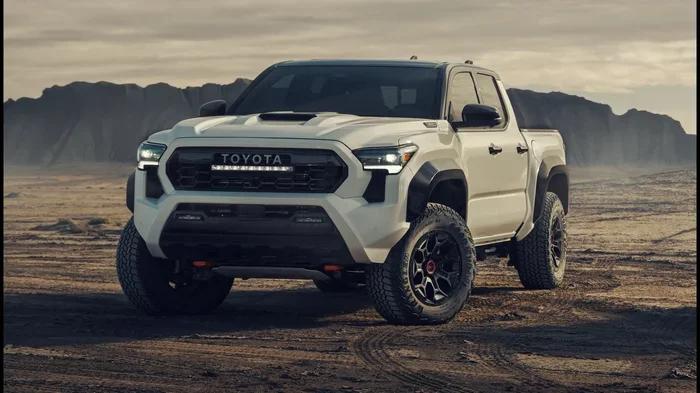
The San Antonio plant is where Toyota builds its full-size pickup trucks. The Toyota Tundra and the Toyota Sequoia are assembled here. Texas has a strong truck culture, so this location makes perfect sense.
This facility opened in 2003 and has grown significantly. It currently produces around 200,000 vehicles per year. The plant also builds the Tacoma pickup in recent years, adding to its portfolio.
San Antonio benefits from a skilled workforce and favorable business conditions. Texas offers tax incentives for manufacturers, which helps Toyota keep operations competitive. The plant also supports a large network of local suppliers.
4. Toyota Motor Manufacturing Alabama (Huntsville, AL)
Alabama is home to Toyota’s engine and transmission plant in Huntsville. This facility does not build complete vehicles. Instead, it focuses on powerplants. The plant makes V6 and V8 engines, transmissions, and hybrid components.
These engines go into many Toyota and Lexus vehicles built across the country. The Huntsville plant is a critical part of Toyota’s supply chain. Without it, other plants would face delays in getting the engines they need.
Alabama’s plant employs several hundred workers. It has invested heavily in advanced manufacturing technology. The facility uses robots and automation to improve precision and efficiency. This is a great example of how Toyota blends human skill with modern technology.
5. Toyota Motor Manufacturing Mississippi (Blue Springs, MS)
The Blue Springs, Mississippi plant produces the Toyota Corolla. This compact sedan is one of the best-selling cars in the world. Having a dedicated plant for the Corolla allows Toyota to meet massive global demand.
The Mississippi facility opened in 2011 and has been a success story ever since. It employs over 2,000 workers and produces around 150,000 vehicles per year. The plant also builds engines for the Corolla and other Toyota models.
Blue Springs has brought significant economic growth to the region. Local schools and training programs have partnered with Toyota to develop a skilled workforce. This kind of investment in community development is a hallmark of Toyota’s approach to manufacturing.
6. Toyota Motor Manufacturing West Virginia (Buffalo, WV)
The Buffalo, West Virginia plant is a smaller but important facility. It focuses on building transmissions and engines for Toyota vehicles. This plant does not assemble complete cars or trucks.
West Virginia’s plant specializes in automatic transmissions. These components go into vehicles built at other Toyota facilities. The Buffalo plant also produces hybrid transaxles, which support Toyota’s push toward electrification.
Buffalo employs several hundred workers. The facility has adapted over the years to produce new types of powertrains. This flexibility shows how Toyota keeps its plants relevant as automotive technology evolves.
What Makes Toyota Plants Stand Out?
Toyota plants are known for a few key things. They set the standard for quality, efficiency, and worker safety. Let us look at what makes these facilities special.
The Toyota Production System
Every Toyota plant follows the Toyota Production System (TPS). This is a management philosophy that focuses on eliminating waste and improving efficiency. TPS has been copied by manufacturers around the world, but Toyota perfected it.
The system emphasizes continuous improvement. Workers at every level are encouraged to suggest improvements. If something is not working, the team fixes it immediately. This approach keeps production running smoothly and reduces defects.
Quality Control at Every Step
Toyota does not leave quality to chance. Every vehicle goes through rigorous inspections at multiple stages. Robots and humans both play a role in checking for defects. The goal is zero defects at the point of delivery.
This attention to detail is why Toyota vehicles are known for lasting a long time. Many owners wonder how many miles a truck can last, but Toyota vehicles often match or exceed those numbers with proper maintenance.
Worker Safety and Training
Toyota takes worker safety seriously. Every plant has comprehensive safety programs. Workers receive extensive training before they operate any machinery. The company invests heavily in creating a safe and supportive work environment.
Training programs also help workers advance their careers. Toyota offers opportunities for skill development and leadership growth. Many employees stay with the company for decades. This stability benefits both the workers and the company.
Toyota’s Manufacturing Footprint Beyond the US
While this article focuses on US plants, it helps to understand Toyota’s global picture. Toyota operates manufacturing facilities in over 25 countries worldwide. The US plants are just one part of a massive global network.
Toyota’s global strategy involves building vehicles close to where they are sold. This reduces shipping costs and helps the company respond quickly to market changes. The US plants serve the North American market, while facilities in Japan, Thailand, and other countries serve other regions.
When you compare Toyota’s global output to competitors, the scale is impressive. In fact, Toyota’s total global sales often surpass those of brands like Tesla. When you look at how many Teslas were sold in 2023, Toyota’s total vehicle sales dwarf that number many times over.
However, Toyota is also investing heavily in electrification. The company is building new battery plants and converting existing facilities to support hybrid and electric vehicles. The US plants are part of this transition. Expect to see new products and new technologies coming from these facilities in the years ahead.
How Toyota Plants Impact Local Economies
Toyota plants do more than build vehicles. They are economic engines for their local communities. Let us look at the broader impact of these facilities.
Job Creation
Each Toyota plant creates thousands of direct jobs. Workers earn competitive wages with benefits. These jobs support families and strengthen local economies. But the impact goes beyond direct employment.
Toyota plants also create indirect jobs. Suppliers, logistics companies, and service providers all benefit from Toyota’s presence. Local restaurants, shops, and housing markets feel the effect too. One plant can support tens of thousands of jobs in a region.
Community Investment
Toyota invests in the communities where its plants are located. The company funds education programs, infrastructure projects, and charitable initiatives. Many Toyota plants partner with local schools to create training programs for students.
These investments pay off in the long run. A well-educated workforce attracts more businesses to the area. Economic growth becomes self-reinforcing. Toyota understands this and plays an active role in community development.
Environmental Responsibility
Toyota has made significant efforts to reduce the environmental impact of its plants. Many facilities use renewable energy sources. Water recycling programs reduce waste. The company has set ambitious goals for reducing carbon emissions across its manufacturing operations.
The Georgetown plant’s solar farm is just one example. Other plants have implemented similar green initiatives. Toyota recognizes that manufacturing must be sustainable to thrive in the long term.
The Future of Toyota Manufacturing in the US
What does the future hold for Toyota plants in the US? The company has several exciting plans in the works.
Electrification and New Models
Toyota is investing billions in electrification. New battery technology and hybrid powertrains are coming to US plants. The company plans to introduce more electric vehicles built in America. This will create new jobs and require new skills from workers.
Technology and Automation
Toyota plants are becoming more advanced every year. Robotics and artificial intelligence are being integrated into production lines. These technologies improve efficiency and quality. However, Toyota believes in keeping humans at the center of manufacturing. Automation assists workers, it does not replace them.
Expansion Plans
Toyota has hinted at potential new facilities or expansions in the US. Growing demand for Toyota vehicles could drive the need for additional capacity. The company is also exploring partnerships with other manufacturers to share resources and expertise.
The bottom line is that Toyota’s commitment to US manufacturing is strong. The company sees America as a key market for the long term. The six existing plants will continue to evolve and grow. New technologies and new models will keep these facilities busy for decades to come.
Common Mistakes People Make About Toyota Plants
There are a few misconceptions about Toyota manufacturing in the US. Let us clear some of them up.
- Mistake 1: Thinking all Toyota plants build cars. Some facilities only make engines or transmissions. Each plant has a specific role.
- Mistake 2: Believing Toyota only builds trucks in the US. Toyota builds sedans, SUVs, minivans, and trucks across its US plants.
- Mistake 3: Assuming all vehicles sold in the US are imported. A large portion of Toyota vehicles sold in America are built right here.
- Mistake 4: Overlooking the supply chain. Toyota plants rely on a vast network of suppliers. The manufacturing ecosystem is much bigger than the plants themselves.
Understanding these points helps you appreciate the full picture of Toyota’s US operations. It is not just about assembly lines. It is about a complex, interconnected system that delivers quality vehicles to millions of Americans.
Quick Tips If You Are Considering a Toyota Vehicle
- Check where your vehicle was built. The window sticker or build sheet will tell you the assembly plant location.
- Visit a plant if possible. Some Toyota facilities offer factory tours. It is a great way to see the manufacturing process up close.
- Consider the model range. Toyota builds vehicles for many needs. From compact cars to full-size trucks, there is a US-built Toyota for most buyers.
- Think about long-term ownership. Toyota vehicles built at these plants are known for reliability and low maintenance costs.
- Compare with competitors. Understanding where your vehicle is made can help you make a more informed buying decision.
Final Thoughts
Toyota’s presence in the United States is a remarkable story of manufacturing excellence. The company operates six major plants across six states. Each facility contributes to building some of the most popular vehicles on American roads. From the Camry in Kentucky to the Tundra in Texas, Toyota vehicles are truly built in America.
The impact of these Toyota plants goes far beyond the assembly line. They create jobs, support communities, and drive economic growth. They also set standards for quality, safety, and environmental responsibility. As Toyota continues to invest in electrification and new technologies, these facilities will remain at the heart of American manufacturing.
Next time you see a Toyota vehicle on the road, remember the skilled workers and advanced facilities that built it. The story of Toyota in America is still being written, and it is an exciting one.
Frequently Asked Questions
How many Toyota plants are in the US?
Toyota operates six major manufacturing plants across the United States. These facilities are located in Kentucky, Indiana, Texas, Alabama, Mississippi, and West Virginia. Each plant has a specific production focus, from assembling complete vehicles to manufacturing engines and transmissions.
Which Toyota plant is the largest in the US?
The Toyota Motor Manufacturing Kentucky plant in Georgetown, Kentucky is the largest. It produces the Camry, RAV4, Lexus ES, and more. The facility can produce over 500,000 vehicles per year and also manufactures engines and transmissions on site.
Are Toyota vehicles built in the US reliable?
Yes, Toyota vehicles built at US plants are known for their reliability. The company follows the Toyota Production System, which emphasizes quality control at every step. Many Toyota models built in America have proven track records for longevity and low maintenance costs.
Does Toyota plan to build more plants in the US?
Toyota has not announced new plant construction recently, but the company has hinted at potential expansions. Growing demand for Toyota vehicles and the push toward electrification could drive future investment in additional US manufacturing capacity.
What vehicles are built at Toyota plants in the US?
Toyota US plants produce a wide range of vehicles. The Camry and RAV4 come from Kentucky. The Highlander and Sienna are built in Indiana. The Tundra and Sequoia are assembled in Texas. The Corolla is produced in Mississippi. Engines and transmissions are made in Alabama and West Virginia.
How many workers are employed at Toyota plants in the US?
Toyota’s six US plants employ over 30,000 workers directly. When you include indirect jobs in the supply chain and local economies, the total number of jobs supported is much higher. Toyota is one of the largest employers in the manufacturing sector in the United States.