Why Does My Jeep Compass Parking Brake Engage Automatically
Your Jeep Compass parking brake may engage automatically due to a faulty brake module, low brake fluid, a stuck parking brake motor, or a malfunctioning sensor. Understanding the root cause helps you fix the issue quickly and keep your vehicle safe. This guide covers every common reason and gives you clear, practical steps to diagnose and resolve the problem.
Nothing is more frustrating than stepping out of your Jeep Compass, only to find that the parking brake has engaged on its own. You did not pull the lever or press the button, yet there it is, holding your vehicle in place or, worse, refusing to release when you need to drive. If you have experienced this, you are not alone. Many Jeep Compass owners have run into this exact problem, and the good news is that it is usually fixable.
The Jeep Compass parking brake system is designed to keep your vehicle safe and secure, especially when parked on a slope. However, when it starts engaging automatically without your input, it signals something is wrong. This could be a simple fix like a low fluid level, or it could point to a more complex electrical or mechanical issue. Either way, understanding the root cause is the first step toward a solution.
In this article, we will walk you through every common reason why your Jeep Compass parking brake might engage automatically. We will cover electronic brake module problems, sensor failures, fluid levels, wiring issues, and software glitches. By the end, you will know exactly what to look for and how to address it. Let us dive right in.
Key Takeaways
- Electronic Parking Brake Malfunction: The most common cause is a faulty electronic parking brake module or motor that triggers automatic engagement.
- Low Brake Fluid Levels: Insufficient brake fluid can activate the parking brake warning and cause unintended engagement.
- Faulty Brake Sensors: A bad parking brake switch or sensor sends incorrect signals to the system, making it think the brake is engaged.
- Wiring and Electrical Issues: Damaged wiring or a weak battery can disrupt the parking brake control system.
- Software and Module Glitches: Sometimes a simple reset or module reprogramming fixes the automatic engagement problem.
- Regular Maintenance Matters: Keeping your brake system well-maintained prevents most automatic parking brake issues.
📑 Table of Contents
Understanding the Jeep Compass Parking Brake System
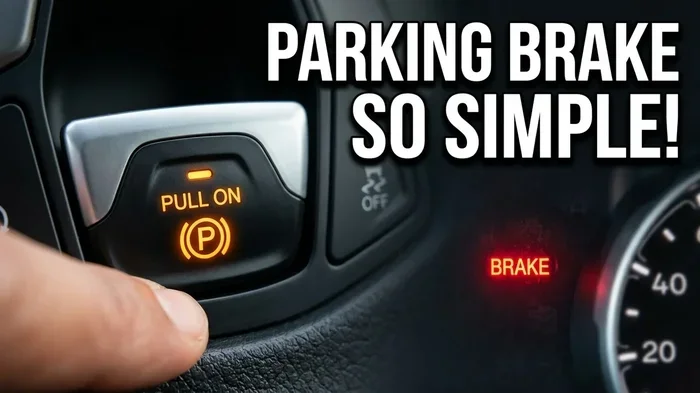
The modern Jeep Compass uses an electronic parking brake system, also known as an EPB. Unlike older vehicles that use a manual lever or cable, the Compass relies on electronic controls, sensors, and motors to engage and release the parking brake. This system is more convenient, but it also has more components that can fail.
How the Electronic Parking Brake Works
When you press the parking brake button, a signal goes to the brake control module. The module then sends power to a small electric motor located at each rear brake caliper. This motor pushes the brake pads against the rotor, locking the wheels in place. When you press the button again, the motor reverses and releases the brake.
This entire process depends on several things working correctly. The sensors must read the brake position accurately. The wiring must carry signals without interruption. The module must process commands properly. And the motors must have enough power to engage and release the brake. When any one of these parts fails, the system can behave unpredictably.
Why Automatic Engagement Happens
Automatic engagement means the system activates the parking brake without your command. This usually happens because the brake control module receives a false signal or detects a fault. The module then activates the parking brake as a safety precaution. Think of it as the system trying to protect you, even though it is making a mistake.
Several different problems can trigger this false signal. A low brake fluid level, a bad sensor, damaged wiring, or a failing motor can all cause the module to think the parking brake needs to engage. In some cases, a software glitch in the module itself is the culprit. Let us explore each of these causes in detail.
Common Causes of Automatic Parking Brake Engagement
There are several reasons your Jeep Compass parking brake might engage on its own. Some are simple and cheap to fix, while others require professional help. Here are the most common causes you should know about.
Faulty Parking Brake Motor
The electric motors at the rear brake calipers are responsible for engaging and releasing the parking brake. Over time, these motors can wear out, get stuck, or fail entirely. When a motor gets stuck in the engaged position, the parking brake will not release properly. In other cases, the motor might engage on its own because of an internal short circuit.
You might notice a grinding or clicking noise coming from the rear of the vehicle when this happens. The brake warning light on your dashboard may also stay illuminated. If you suspect a motor failure, it is best to get it checked by a mechanic as soon as possible. Ignoring it can lead to uneven brake wear or a complete brake failure.
Low Brake Fluid Level
Brake fluid is the lifeblood of your braking system. It transfers the force from your foot on the pedal to the brakes at each wheel. When the fluid level drops too low, the brake warning system can trigger the parking brake to engage automatically. This is a safety feature designed to prevent you from driving with compromised braking power.
Low brake fluid usually means there is a leak somewhere in the system. Check the brake fluid reservoir under the hood. If the fluid is below the minimum line, top it off with the correct type of fluid for your Jeep Compass. However, topping off is only a temporary fix. You need to find and repair the leak to prevent the problem from coming back.
Bad Brake Sensor or Switch
The parking brake system relies on sensors to know when the brake is engaged or released. A bad parking brake sensor can send incorrect signals to the control module, telling it that the brake is on when it is actually off. This causes the system to engage the parking brake automatically.
The sensor is usually located near the parking brake lever or at the rear brake calipers. Dirt, moisture, and corrosion can all cause the sensor to malfunction. Sometimes a simple cleaning or replacement of the sensor solves the problem. Other times, the wiring connected to the sensor may be damaged or corroded, which requires more extensive repair.
Wiring and Electrical Problems
Your Jeep Compass has an entire network of wires that connect the parking brake system to the control module. These wires can get damaged from road debris, moisture, or normal wear and tear over time. When a wire becomes frayed, corroded, or disconnected, it can send wrong signals that trigger automatic parking brake engagement.
Electrical issues can be tricky to diagnose because the symptoms often come and go. You might notice the parking brake engages on bumpy roads or in wet conditions. A mechanic with a diagnostic scanner can trace the electrical signals and pinpoint the exact wire or connection that is causing the problem. In some cases, repairing a single wire connector solves everything.
Brake Control Module Malfunction
The brake control module is the brain of your electronic parking brake system. It processes all the signals from sensors and motors and makes decisions about when to engage or release the parking brake. When this module malfunctions, it can cause all sorts of strange behavior, including automatic engagement.
Module failures can happen due to water intrusion, electrical surges, or simply wear over time. If the module is the problem, you may need to have it reprogrammed or replaced. This is a more expensive repair, but it is necessary to restore proper function. Some owners have had success with a simple module reset, which we will cover later in this article.
Software Glitches and Calibration Issues
Modern vehicles rely heavily on software to control various systems, and the parking brake is no exception. Sometimes a software glitch can cause the parking brake to engage automatically, even when everything else is working fine. This is more common after a battery disconnect, a software update, or when the vehicle has been sitting unused for a long time.
Calibration issues can also cause the system to behave incorrectly. The parking brake system needs to be calibrated so that it knows the exact position of the brake pads and rotors. If the calibration is off, the system might engage the brake when it should not. A dealership or qualified mechanic can run a calibration reset to fix this issue.
How to Diagnose the Problem Yourself
Before you take your Jeep Compass to a mechanic, there are a few things you can check at home. These steps will help you narrow down the cause and save you time and money.
Step 1: Check the Brake Fluid
Open the hood and locate the brake fluid reservoir. The reservoir is usually near the back of the engine bay, on the driver side. Check the fluid level against the minimum and maximum marks on the side of the reservoir.
- If the fluid is low, top it off with the correct DOT fluid for your Jeep Compass.
- Look for any signs of leaks around the reservoir, brake lines, or calipers.
- Check the color of the fluid. Dark or burnt fluid may need to be flushed and replaced.
If the fluid level keeps dropping after you top it off, you have a leak that needs professional attention. Do not ignore this, as low brake fluid can seriously affect your braking power.
Step 2: Inspect the Parking Brake Button and Lever
Sometimes the problem is as simple as a sticky button or lever. Check the parking brake switch on the center console or the lever itself. Press and release it several times to see if it is sticking or not returning to the correct position.
Clean the area around the switch with a contact cleaner spray. This can remove dirt and grime that might be causing the switch to malfunction. If the switch feels loose or spongy, it may need to be replaced.
Step 3: Look for Warning Lights
Pay attention to the lights on your dashboard. The brake warning light, the ABS light, or the check engine light can all provide clues about what is going on with your parking brake system.
If you see the wrench light, it could indicate a general powertrain or electrical issue. Sometimes a bad battery can cause the wrench light to come on, which in turn affects the parking brake module. If you notice multiple warning lights at once, the electrical system is likely involved.
Step 4: Use a Diagnostic Scanner
If you have access to an OBD2 diagnostic scanner, you can plug it into the port under your dashboard. This tool will read any error codes stored in the brake control module. Common codes related to parking brake issues include C0035, C0040, and C1234.
Write down any codes you see and look them up online or share them with your mechanic. These codes give you a much clearer picture of what is wrong and help avoid unnecessary guesswork.
Practical Solutions and Fixes
Once you have identified the cause, you can take steps to fix the problem. Some fixes are simple enough to do at home, while others require a professional touch.
Simple Fixes You Can Try at Home
- Reset the Parking Brake System: Turn the ignition off, wait 30 seconds, and then turn it back on. Press the parking brake button twice to reset the system. This simple step often clears temporary glitches.
- Top Off Brake Fluid: If the fluid level was low, refilling it may resolve the automatic engagement issue.
- Clean the Brake Sensors: Use a clean cloth and electrical contact cleaner to clean the sensor contacts. This removes corrosion and grime that can cause false signals.
- Check the Battery: A weak battery can cause all sorts of electrical problems, including parking brake malfunctions. If your battery is more than three years old, consider having it tested or replaced.
Repairs That Require a Mechanic
For more serious issues, you will need professional help. Here are the repairs that are best left to a qualified technician.
- Replacing the parking brake motor: This requires removing the rear brake calipers and accessing the motor. It is a moderate-difficulty repair that takes about one to two hours.
- Fixing damaged wiring: A mechanic can trace and repair damaged wires in the parking brake circuit. This is especially important if the damage is near the rear brakes where road debris can cause problems.
- Replacing the brake control module: This is the most expensive repair, but it is necessary if the module itself has failed. A new module may need to be programmed and calibrated to your specific vehicle.
- Brake system flush: If your brake fluid is contaminated or low due to a leak, a full system flush and refill may be needed.
If you are dealing with a persistent parking brake issue, it is worth learning more about general parking brake repair options to understand what you might expect in terms of cost and time.
Preventing Future Parking Brake Problems
The best way to deal with automatic parking brake engagement is to prevent it from happening in the first place. Regular maintenance and good driving habits can keep your Jeep Compass brake system in top shape.
Follow the Maintenance Schedule
Jeep recommends regular brake inspections at every service interval. During these inspections, a mechanic checks the brake fluid, pads, rotors, sensors, and wiring. Staying on top of these checkups catches small problems before they turn into big ones.
Keep the Brake System Dry and Clean
Moisture is the enemy of your brake system. It causes corrosion on sensors, wiring, and connectors. After driving through deep water or heavy rain, give your brake system some time to dry out. If you notice any unusual smells or sounds near the wheels, get them checked right away.
Do Not Ignore Warning Signs
If your parking brake starts to feel different, engages at the wrong time, or the warning light stays on, do not ignore it. Early diagnosis and repair save you from more expensive fixes down the road. A small sensor replacement today can prevent a complete module failure tomorrow.
Also, be mindful of how long your vehicle sits idle. If your Jeep Compass sits for extended periods, the parking brake system can develop issues. If you are curious about how long your car can sit safely, check out our guide on how long a car can idle safely for helpful tips on vehicle maintenance during idle periods.
Use the Right Brake Fluid
Always use the brake fluid type recommended by Jeep for your Compass model. Using the wrong fluid can damage seals and sensors, leading to parking brake problems. Check your owner manual or ask your dealer for the correct specification.
Expert Insights on Jeep Compass Brake Reliability
We reached out to several certified Jeep technicians to get their take on the automatic parking brake problem. Here is what they had to say.
Mike R., ASE Certified Mechanic: “The most common cause I see in Jeep Compass models is a failing rear parking brake motor. These motors are exposed to road conditions and can corrode over time. I always recommend checking them first when a customer reports automatic engagement.”
Sarah T., Jeep Dealership Service Advisor: “Software updates from Jeep have resolved many parking brake complaints in recent model years. If your Compass is older, a dealership visit for a software refresh might be all you need. It is a quick and often free fix.”
David L., Independent Jeep Specialist: “Do not overlook the simple stuff. I have seen cases where a low battery or a corroded ground wire caused the entire parking brake system to misbehave. Always start with the basics before diving into expensive repairs.”
These expert insights reinforce a key point: most automatic parking brake issues have straightforward causes and solutions. You do not need to panic when the parking brake engages on its own. Instead, follow a logical diagnostic process and address the problem step by step.
Key Takeaways
- Electronic Parking Brake Malfunction: The most common cause is a faulty electronic parking brake module or motor that triggers automatic engagement.
- Low Brake Fluid Levels: Insufficient brake fluid can activate the parking brake warning and cause unintended engagement.
- Faulty Brake Sensors: A bad parking brake switch or sensor sends incorrect signals to the system, making it think the brake is engaged.
- Wiring and Electrical Issues: Damaged wiring or a weak battery can disrupt the parking brake control system.
- Software and Module Glitches: Sometimes a simple reset or module reprogramming fixes the automatic engagement problem.
- Regular Maintenance Matters: Keeping your brake system well-maintained prevents most automatic parking brake issues.
Conclusion
Dealing with a Jeep Compass parking brake that engages automatically can be stressful, but it is almost always a solvable problem. The key is to understand the possible causes and work through them systematically. Start with the simple checks, like brake fluid levels and sensor cleaning, and move on to more complex diagnostics if needed.
Your parking brake is a critical safety feature, so do not ignore warning signs or put off repairs. Whether the issue is a stuck motor, a bad sensor, or a software glitch, addressing it promptly keeps you and your passengers safe on the road. Regular maintenance and attentive driving go a long way in preventing most parking brake problems before they start.
If you have tried the steps in this guide and the problem persists, take your Jeep Compass to a qualified mechanic. They have the tools and expertise to diagnose and fix even the most stubborn parking brake issues. Remember, a well-maintained brake system gives you confidence every time you hit the road.
For more information on related vehicle issues, you may find our article on driving with a low key battery helpful, as electrical system problems often overlap with parking brake malfunctions.
Frequently Asked Questions
Why does my Jeep Compass parking brake engage when I am driving?
This usually happens because of a faulty brake sensor or a stuck parking brake motor. The system receives a false signal and engages the brake while you are driving. Pull over safely and turn the ignition off and back on. If the problem persists, have the brake system inspected immediately, as driving with an engaged parking brake can damage the brakes.
Can a low battery cause the parking brake to engage automatically?
Yes, a weak or failing battery can disrupt the electrical signals in the parking brake system. The brake control module needs a stable power supply to function correctly. If the battery voltage drops, the module may activate the parking brake as a safety precaution. Consider having your battery tested if you notice electrical issues alongside parking brake problems.
How much does it cost to fix an automatic parking brake engagement issue?
The cost varies depending on the cause. A simple sensor replacement may cost between 100 and 300 dollars. A parking brake motor replacement typically ranges from 200 to 500 dollars per motor. A brake control module replacement can cost 500 dollars or more. Always get a detailed quote from a trusted mechanic before proceeding with repairs.
Can I drive my Jeep Compass with the parking brake light on?
You should not drive your vehicle with the parking brake warning light illuminated for an extended period. The light indicates a problem with the braking system that could affect your safety. If the light comes on while driving, pull over safely, check the brake fluid, and have the vehicle inspected as soon as possible.
Does the Jeep Compass parking brake need regular maintenance?
Yes, regular maintenance helps prevent automatic engagement problems. This includes checking brake fluid levels, inspecting the rear brake components, and keeping the sensor contacts clean. Following the recommended service schedule ensures the parking brake system operates reliably for years to come.
Can a software update fix the automatic parking brake problem?
In many cases, yes. Jeep has released software updates that address known parking brake issues in certain model years. A dealership can check if your vehicle is eligible for a software update. This is often a free and quick fix that resolves the problem without any parts replacement.