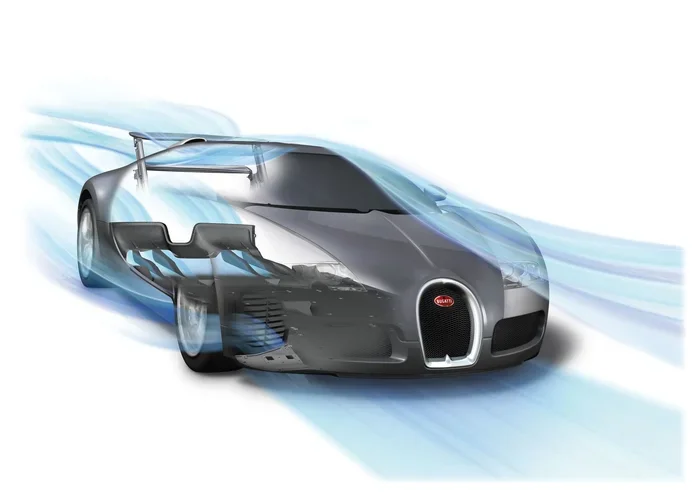
How Bugatti Veyron Aerodynamics Contribute to Stability
The Bugatti Veyron is more than a luxury supercar. Its aerodynamic design plays a huge role in keeping the car stable at extreme speeds. From the active rear wing to the underbody diffuser, every curve and channel works together to manage airflow and create downforce. Understanding how these systems work helps car owners appreciate why maintaining aerodynamic components matters for long-term performance and safety.
Key Takeaways
- Active aerodynamics keep the Veyron stable: The rear wing and diffuser adjust automatically to changing speeds and conditions.
- Downforce is the secret to high-speed control: The Veyron generates massive downward force to press the car onto the road.
- Every body panel has a purpose: The carbon fiber body is shaped to manage airflow with precision.
- Maintenance matters: Keeping aerodynamic components clean and intact ensures they work as designed.
- Wind tunnel testing shaped every detail: The Veyron went through extensive testing to perfect its aerodynamic profile.
- Stability extends beyond speed: Aerodynamic design also improves cornering stability and braking performance.
📑 Table of Contents
What Makes the Bugatti Veyron’s Aerodynamics So Special
The Bugatti Veyron is not just fast. It is fast and stable. When most people think about supercars, they picture speed. But speed without stability is dangerous. The Veyron was engineered to be both. Its aerodynamic design is one of the main reasons it can hit over 250 miles per hour and still feel planted on the road.
Every curve, every vent, and every flat surface on the Veyron serves a purpose. The engineers at Bugatti spent years refining the shape of this car in wind tunnels. They studied how air moves around the body at different speeds. The result is a machine where aerodynamics and stability work hand in hand.
If you have ever driven a car at high speed, you know the feeling of wind pushing against you. Now imagine going over 200 miles per hour. At those speeds, air becomes a force like gravity. The Veyron’s body was built to tame that force. It uses airflow management to push the car down toward the road rather than letting it lift up.
What makes this even more impressive is that the Veyron does all of this while still looking beautiful. The lines of the car are not just for show. Each shape has a job to do. The smooth front reduces drag. The wide stance improves grip. The rear wing creates downforce. Everything works together as one system.
For car owners, understanding this helps you see why keeping your car’s body and aerodynamic parts in good shape matters. Even small damage to a body panel can change how air flows over your vehicle. That can affect stability, fuel efficiency, and overall performance.
The Role of Wind Tunnel Testing
Bugatti did not just guess what shape would work best. They tested dozens of designs in wind tunnels. These tests let engineers see exactly how air moves around the car. They measured drag coefficient values and pressure distribution across the body. This data helped them make decisions about every angle and curve.
Wind tunnel testing is standard for supercars, but Bugatti took it further than most. They tested the Veyron at various speeds and in different conditions. They wanted to understand how the car behaved not just at top speed, but also during acceleration, braking, and cornering. This thorough approach is why the Veyron’s vehicle dynamics are so impressive.
The Science Behind Aerodynamic Stability
To understand how the Veyron stays stable, you need to understand a few basic ideas about air and motion. When a car moves fast, it pushes through a lot of air. That air pushes back. Without proper design, that push can lift the front of the car or make the rear feel loose.
The Veyron solves this problem using downforce. Downforce is the force that pushes a car down toward the road. The more downforce a car generates, the more grip it has. More grip means better stability. The Veyron was designed to create a lot of downforce without creating too much drag.
Drag is the resistance a car faces as it moves through the air. A car with high drag needs more power to maintain speed. The Veyron’s aerodynamic design keeps drag low while still generating strong downforce. This balance is the key to its stability at extreme speeds.
How Airflow Management Works
Airflow management is the process of directing air around and through the car in a controlled way. On the Veyron, this starts at the front. The wide grille and lower bumper channel air into the engine bay and cooling systems. But they also shape the airflow that flows over the hood and roof.
As air moves over the top of the car, it naturally wants to create lift. The Veyron fights this with several features. The shape of the roof is designed to let air flow smoothly off the back. The rear diffuser slows the air down underneath the car. And the active rear wing adjusts its angle to add or reduce downforce as needed.
All of these elements work together to manage pressure distribution across the entire vehicle. When pressure is balanced, the car stays stable. When pressure is unbalanced, the car can feel unpredictable. The Veyron’s engineers spent countless hours making sure every part of the body contributed to a balanced pressure profile.
The Relationship Between Speed and Stability
One of the most interesting things about the Veyron is how its stability changes with speed. At low speeds, the car feels like a heavy grand tourer. It is planted and calm. As speed increases, the aerodynamic systems kick in more and more. By the time the car reaches high speeds, the downforce is strong enough to press the tires firmly against the road.
This means the Veyron actually becomes more stable as it goes faster. That might sound counterintuitive. Most cars become less stable at high speeds. But the Veyron’s active aerodynamics flip that trend. The faster you go, the more grip you get. This is what allows the car to safely reach its top speed.
If you have ever wondered how long a car like this can idle safely at a standstill before a high-speed run, the cooling systems are designed to handle the heat buildup. You can learn more about safe idling practices for high-performance vehicles in our guide on how long a car can idle safely.
Key Aerodynamic Features of the Bugatti Veyron
The Veyron has several standout aerodynamic features. Each one plays a specific role in keeping the car stable. Let us break them down so you can see how they all fit together.
The Active Rear Wing
The rear wing on the Veyron is not fixed. It moves. At low speeds, the wing lies flat to reduce drag. As speed increases, the wing rises to an angled position. This creates more downforce on the rear axle. The result is better traction and more stability during acceleration and cornering.
The wing also adjusts during braking. When you slow down, the wing rises to its highest angle. This pushes the rear of the car down and helps the brakes work more effectively. It is a smart system that responds to driving conditions in real time.
Keeping the rear wing clean and free of debris is important for its performance. Even a small amount of dirt or damage can change how air flows over the wing. This is one reason why regular car maintenance matters so much for supercars. If you ever need to replace a damaged body panel, it is worth knowing how long it takes to fit a new bumper so you can plan your repair quickly.
The Front Splitter and Air Intakes
The front splitter is a flat panel that sits below the front bumper. It looks like a simple piece of carbon fiber, but it does important work. The splitter divides the airflow. Some air goes under the car. Some air goes over the top. This separation is key to managing pressure distribution at the front of the vehicle.
The air intakes on the Veyron are also shaped with aerodynamics in mind. They feed cool air to the engine and brakes without creating unnecessary drag. The shape and placement of each intake was carefully chosen through testing and computer modeling.
The Rear Diffuser
The diffuser sits at the back of the car, underneath the body. Its job is to speed up the air that flows under the car and then slow it down as it exits. This creates a low-pressure area underneath the vehicle. That low pressure pulls the car down toward the road.
This is called the ground effect. It is the same principle used in Formula 1 cars. The Veyron uses a version of this effect to add downforce without adding a huge wing that would create drag. The diffuser works silently in the background, making the car more stable without the driver even noticing.
The Flat Underbody
Most cars have a curved or uneven underside. The Veyron’s underbody is nearly flat. This smooth surface lets air flow freely underneath the car. Less turbulence means less drag and more consistent downforce. The flat underbody is one of the reasons the Veyron’s drag coefficient is so low for a car of its size and power.
Any damage to the underbody can disrupt this smooth flow. Scratches, dents, or missing panels can create turbulence that reduces stability. This is why it is important to inspect the underbody regularly, especially if you drive on rough roads.
The Wide Stance and Low Center of Gravity
Aerodynamics is not just about the shape of the car. It is also about how the car sits on the road. The Veyron has a very wide stance. The wheels are pushed out to the corners of the body. This gives the car a stable base.
The car also sits very low to the ground. A low center of gravity means less body roll during cornering. Combined with the aerodynamic downforce, the wide stance and low profile make the Veyron feel planted and secure even at extreme speeds.
How Aerodynamics Work Together for Stability
None of the Veyron’s aerodynamic features work alone. They are all part of one integrated system. The front splitter feeds air to the diffuser. The rear wing adjusts based on what the front sensors detect. The flat underbody keeps airflow smooth and consistent.
This integration is what makes the Veyron so special. A car with just a big wing might be stable at high speeds but slow at lower speeds. A car with just a diffuser might have good downforce but poor braking stability. The Veyron balances everything.
The result is a car that feels stable whether you are cruising at 60 miles per hour or pushing past 200. The active aerodynamics constantly adjust to keep the car balanced. This is what engineers call high-speed stability, and the Veyron was one of the first production cars to achieve it so effectively.
Cornering Stability and Aerodynamic Grip
When you take a turn at high speed, several forces act on the car. Centrifugal force pushes you outward. Gravity pulls you down. Aerodynamic forces push the car into the road. The Veyron’s design makes sure the aerodynamic forces win. The downforce generated during cornering keeps the tires firmly planted.
This is called cornering stability. It is what allows the Veyron to handle curves at speeds that would be impossible for most cars. The aerodynamic grip supplements the mechanical grip from the tires and suspension. Together, they create a level of control that feels almost unnatural.
Braking Stability and Aerodynamic Support
Stability is not just about going fast. It is also about stopping. When you brake hard at high speed, the weight of the car shifts forward. The rear of the car becomes lighter. This can make the rear feel unstable.
The Veyron’s rear wing rises during hard braking. This adds downforce to the rear axle. It keeps the weight balanced and the tires gripping the road. The result is more stable and predictable braking, even from very high speeds.
Maintaining Aerodynamic Performance
Owning a car like the Veyron comes with responsibilities. The aerodynamic systems that make the car so stable need regular care to keep working properly. Dirt, damage, and wear can all reduce aerodynamic performance over time.
Keeping Body Panels Clean and Intact
The smooth surfaces of the Veyron are essential for managing airflow. Any dirt, bugs, or debris on the body can disrupt the way air moves over the car. Regular washing is important. So is addressing any damage quickly. A cracked bumper or a bent panel can change the airflow patterns in ways you might not notice right away.
For owners who lease their vehicles, understanding the cost of repairs is important. You might wonder whether you can negotiate the price on a leased car to cover unexpected bodywork. It is always worth asking, especially when the repairs affect aerodynamic performance.
Checking Seals and Gaskets
The Veyron has many seals and gaskets that keep airflow where it should go. Over time, these can wear or crack. When they fail, air leaks into areas where it should not be. This can reduce downforce and increase drag. Regular inspections of seals around the doors, windows, and body panels help maintain aerodynamic efficiency.
Transmission Fluid and High-Performance Driving
While aerodynamics handles the external forces, the internal systems need care too. The transmission in a car like the Veyron works extremely hard, especially during high-speed runs. Keeping the transmission fluid at the right level ensures smooth power delivery. If you ever find yourself low on fluid, you might wonder if you can just add transmission fluid if it is low. The answer is usually yes, but always check your owner manual first.
Protecting the Underbody
The underbody of the Veyron is designed to be as smooth as possible. Potholes, speed bumps, and debris can all damage the flat underbody panels. Installing underbody protection or being mindful of road conditions can help preserve the aerodynamic integrity of the car.
After any underbody repair or replacement, the car should be inspected to make sure the panels are aligned correctly. Even a small gap can create turbulence that affects stability at high speeds.
Why Aerodynamics Matter for Every Car Owner
You might think that aerodynamic design is only important for supercars like the Bugatti Veyron. But the truth is, aerodynamics affects every car on the road. The principles that keep the Veyron stable at 250 miles per hour also affect how your daily driver handles in a strong crosswind.
Understanding aerodynamics helps you make better decisions about car care. It teaches you why keeping your body panels intact matters. It shows you why roof racks and aftermarket spoilers can change how your car drives. And it reminds you that stability is not just about the engine or the tires. It is about how the car moves through the air.
For those interested in exotic cars, the Veyron is a masterclass in engineering. But the lessons it teaches apply to all vehicles. Clean bodywork, proper maintenance, and attention to aerodynamic details all contribute to a safer, more stable driving experience.
The Veyron proves that speed and safety do not have to be enemies. With the right aerodynamic design, a car can be incredibly fast and incredibly stable at the same time. That is a lesson that car enthusiasts and everyday drivers alike can appreciate.
The Legacy of the Veyron’s Aerodynamic Design
The Bugatti Veyron set a new standard for what a production car could achieve. Its aerodynamic design influenced countless supercars that came after it. Engineers around the world studied the Veyron to learn how to balance speed, stability, and style.
Today, the principles used in the Veyron are found in many modern cars. Active rear wings, underbody diffusers, and airflow management systems are no longer exclusive to hypercars. They are becoming standard features, even in family sedans and SUVs. The Veyron helped push the entire industry forward.
For current Veyron owners, maintaining the car’s aerodynamic systems is about more than just performance. It is about preserving a piece of automotive history. Every visit to the detailing shop, every body panel repair, and every inspection of the underbody helps keep this incredible machine running as it was designed to.
Final Thoughts on Bugatti Veyron Aerodynamics
The way the Bugatti Veyron’s aerodynamics contribute to stability is a story of careful engineering and relentless testing. Every feature, from the active rear wing to the flat underbody, was designed with one goal in mind. Keep the car stable and safe at any speed.
Whether you are a Veyron owner or simply a car enthusiast, understanding this engineering helps you appreciate what goes into building a world-class supercar. It also reminds you that aerodynamics is not just about going fast. It is about control, safety, and confidence behind the wheel.
Take care of your car’s body and aerodynamic components. Keep them clean, keep them intact, and they will reward you with the kind of stability and performance that only a car like the Veyron can deliver. The next time you see one on the road, remember that every line and curve on that body is there for a reason. It is all about the air, the force it creates, and the stability it provides.
Frequently Asked Questions
How do Bugatti Veyron aerodynamics improve stability at high speeds?
The Veyron uses a combination of an active rear wing, rear diffuser, and flat underbody to generate downforce. This downforce presses the car toward the road, increasing tire grip and keeping the vehicle stable even at speeds over 200 miles per hour.
What is the role of the active rear wing on the Bugatti Veyron?
The active rear wing adjusts its angle based on driving speed and conditions. At low speeds, it lies flat to reduce drag. At high speeds or during braking, it rises to increase downforce on the rear axle, improving traction and braking stability.
Can damage to aerodynamic parts affect a car’s stability?
Yes, even small damage to body panels, the front splitter, or the underbody can disrupt airflow. This can reduce downforce, increase drag, and make the car less stable, especially at higher speeds. Prompt repairs are important for maintaining performance.
Why is the Bugatti Veyron’s underbody designed to be flat?
A flat underbody allows air to flow smoothly beneath the car. This reduces turbulence and drag while creating a low-pressure area that pulls the car down toward the road. This ground effect contributes significantly to the Veyron’s overall stability.
Do aerodynamic features on the Veyron work at all speeds?
Yes, but they work differently at different speeds. At low speeds, features like the rear wing lie flat to minimize drag. As speed increases, the active systems engage more aggressively to generate downforce and improve stability. The car becomes more aerodynamically stable as it goes faster.
What maintenance steps help preserve the Veyron’s aerodynamic performance?
Regular washing to remove dirt and debris, inspecting seals and gaskets for wear, checking the underbody for damage, and addressing any body panel issues promptly all help preserve the aerodynamic performance and stability of the vehicle.
=== CONCLUSION ===
The Bugatti Veyron is a masterpiece of engineering. Its aerodynamic design is not just about looking fast. It is about staying stable, safe, and controlled at extreme speeds. Every feature, from the active rear wing to the flat underbody, works together to create a car that feels planted and predictable no matter how fast you go.
Understanding how Bugatti Veyron aerodynamics contribute to stability gives you a deeper appreciation for what makes this car special. It also reminds you that aerodynamics is a part of every vehicle, not just supercars. Keeping your car’s body panels clean, your seals intact, and your aerodynamic components in good shape makes a real difference in how your car drives.
Whether you own a Veyron or simply love cars, the lessons from its design are clear. Aerodynamics matters. Stability matters. And taking care of the parts that manage airflow is one of the best things you can do for your car’s performance and safety.