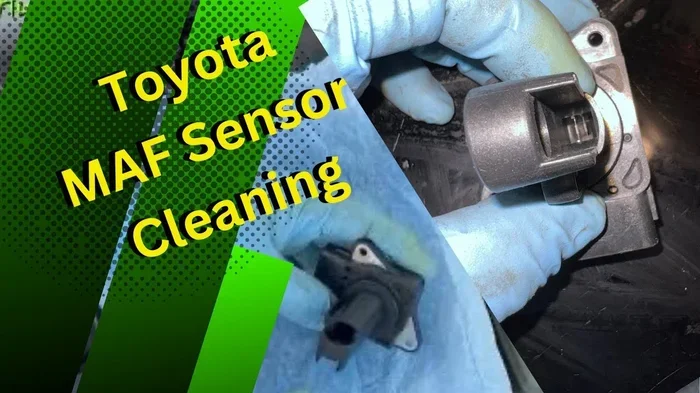
How to Clean MAF Sensor Toyota Corolla Step by Step
A dirty MAF sensor can cause poor engine performance, reduced fuel economy, and rough idling in your Toyota Corolla. Cleaning the mass air flow sensor is a simple DIY task that takes just minutes and can save you hundreds in mechanic bills. This guide walks you through every step safely and effectively.
Your Toyota Corolla relies on many sensors to run smoothly. One of the most important is the MAF sensor. When it gets dirty, your car starts acting up. You might notice rough idle, poor acceleration, or a drop in fuel economy. The good news is that cleaning the MAF sensor is one of the easiest maintenance jobs you can do at home.
This guide covers everything you need to know about how to clean MAF sensor Toyota Corolla. We will walk you through each step in plain language. Whether you are new to car maintenance or just need a refresher, you will find this guide helpful. Let us get your Toyota Corolla running like new again.
The mass air flow sensor measures the amount of air entering your engine. Your Toyota Corolla’s computer uses this data to deliver the right fuel mixture. When the sensor gets contaminated with dirt or oil, it sends wrong readings. This leads to poor engine performance and wasted fuel. Regular cleaning keeps your sensor accurate and your engine healthy.
Key Takeaways
- Easy DIY Fix: You can clean your MAF sensor at home with basic tools and a dedicated cleaner.
- Saves Money: Avoid costly dealership visits by handling this common maintenance task yourself.
- Restores Performance: A clean MAF sensor improves fuel efficiency, smooths idle, and reduces engine hesitation.
- Prevents Damage: Regular cleaning helps protect your Toyota Corolla engine from long-term wear.
- Quick Process: The entire cleaning takes less than 15 minutes once you locate the sensor.
- Toyota Corolla Longevity: Keeping sensors clean contributes to making your Toyota Corolla last 20 years or more.
📑 Table of Contents
- What Is a MAF Sensor and Why Does It Get Dirty?
- Signs Your Toyota Corolla MAF Sensor Needs Cleaning
- Tools and Materials You Will Need
- Step-by-Step Guide: How to Clean MAF Sensor Toyota Corolla
- Common Mistakes to Avoid When Cleaning Your MAF Sensor
- How Often Should You Clean Your MAF Sensor?
- When to Replace Instead of Clean
- How the MAF Sensor Affects Your Toyota Corolla’s Performance
- Expert Tips for Maintaining a Clean MAF Sensor
- Key Takeaways
- Conclusion
What Is a MAF Sensor and Why Does It Get Dirty?
The MAF sensor sits between your air filter box and the throttle body. Air flows over a small sensing element inside it. Over time, dust, oil vapors, and debris build up on this element. The sensor then reads the airflow incorrectly. Your engine ends up getting too much or too little fuel.
Common Causes of MAF Sensor Contamination
- Dirty air filters: A clogged filter lets more dust past and reach the sensor.
- Oil from aftermarket air filters: Oil-soaked filters can coat the sensing wire.
- Driving in dusty conditions: Dirt roads and construction zones expose your intake to more particles.
- Age and mileage: Over time, normal contamination builds up even with regular maintenance.
- Leaking intake gaskets: Unfiltered air bypasses the air filter and deposits grime on the sensor.
Understanding what causes the buildup helps you prevent it. Replacing your air filter regularly is one of the best ways to keep your MAF sensor clean. If you want to learn more about maintaining your Toyota Corolla long term, check out this guide on can a Toyota Corolla last 20 years.
Signs Your Toyota Corolla MAF Sensor Needs Cleaning
How do you know your MAF sensor is dirty? Your Toyota Corolla will give you several warning signs. Recognizing these early helps you fix the problem before it causes bigger issues.
1. Rough or Unstable Idle
Your engine should run smooth when idling at a stoplight. If you notice shaking or RPM fluctuations, the MAF sensor may be sending incorrect air readings to the engine computer.
2. Poor Acceleration
When you press the gas pedal and the car hesitates or stalls, the sensor might not be reading airflow properly. This is one of the most common dirty MAF sensor symptoms.
3. Reduced Fuel Economy
A contaminated MAF sensor often causes your engine to run rich. This means it uses more fuel than necessary. You will notice more trips to the gas station.
4. Check Engine Light
A dirty MAF sensor can trigger the check engine light. The computer detects abnormal readings and flags a fault code. You can read these codes with a basic OBD2 scanner.
5. Black Smoke from Exhaust
Too much fuel in the combustion chamber creates dark exhaust smoke. This is a serious sign that your MAF sensor needs immediate attention.
If you are experiencing any of these issues, cleaning the MAF sensor should be your first step. It is a simple fix that often solves the problem completely.
Tools and Materials You Will Need
You do not need expensive tools for this job. Here is what you will need before you start:
- MAF sensor cleaner spray: This is a special aerosol cleaner designed for delicate sensor wires. Do not use regular household cleaners.
- Flathead screwdriver or Torx bit: Depending on your Corolla model year, you may need one of these to remove the air intake duct.
- Clean microfiber cloth: For wiping down surrounding areas gently.
- Gloves: Optional but recommended to keep oils from your hands off the sensor.
- Your Toyota owner’s manual: Helpful for locating the exact sensor position for your specific model year.
You can find MAF sensor cleaner at any auto parts store for around $10 to $15. It is worth buying the real thing. Cheap substitutes can damage the delicate sensing element. For more Toyota Corolla maintenance tips, you might also want to read about Can I Use 5W 30 Oil in a Toyota Corolla.
Step-by-Step Guide: How to Clean MAF Sensor Toyota Corolla
Now let us get into the actual cleaning process. Follow these steps carefully and your MAF sensor will be clean in no time.
Step 1: Park and Cool the Engine
Turn off your Toyota Corolla and let the engine cool completely. The MAF sensor can be hot during operation. Wait at least 20 minutes before you start working. This prevents burns and protects the sensitive sensor components.
Step 2: Locate the MAF Sensor
Open your hood and find the air intake duct. This is the rubber or plastic hose that connects the air filter box to the throttle body. The MAF sensor is mounted directly on this duct. It usually has a clip or bolt holding it in place. Refer to your owner’s manual if you are unsure of the exact location.
Step 3: Remove the Air Intake Duct
Use your screwdriver or Torx bit to loosen the clamp securing the duct to the MAF sensor housing. Gently pull the duct away. Be careful not to yank any wires or connectors. Set the clamp and duct aside in a safe place.
Step 4: Unplug the MAF Sensor Connector
You will see an electrical connector plugged into the side of the MAF sensor. Press the tab and gently pull it free. Do not tug on the wires. Handle the connector by the housing only.
Step 5: Remove the MAF Sensor
Most Toyota Corolla models use one or two bolts to secure the sensor to the intake duct. Remove these bolts carefully. Slide the sensor out gently. Set it on a clean, flat surface.
Step 6: Clean the MAF Sensor
This is the most important step. Hold the MAF sensor with the sensing element facing up. Spray the MAF cleaner in short bursts across the hot wire or film element. Do not touch the sensor wire with anything. Do not scrub or wipe the sensing element. Let the cleaner evaporate naturally. The dirt will dissolve and drip away.
Important: Never use compressed air to blow the sensor dry. The pressure can damage the delicate sensing wire. Let it air dry completely for about 10 minutes.
Step 7: Clean the Surrounding Area
While the sensor dries, use your microfiber cloth to wipe down the inside of the air intake duct. Remove any visible dirt or debris. This prevents contamination from returning quickly.
Step 8: Reinstall the MAF Sensor
Once the sensor is completely dry, slide it back into the duct. Secure it with the bolts. Reconnect the electrical connector by pressing it firmly into place. Make sure you hear the click of the connector locking in.
Step 9: Reattach the Air Intake Duct
Place the duct back onto the throttle body and tighten the clamp. Make sure it is secure but do not overtighten. Overtightening can crack the plastic.
Step 10: Start the Engine and Test
Start your Toyota Corolla and let it idle for a few minutes. Listen for smooth operation. Take a short test drive and pay attention to acceleration. You should notice an improvement within the first few minutes of driving.
Common Mistakes to Avoid When Cleaning Your MAF Sensor
Even though this is a simple job, some mistakes can cause problems. Here is what to watch out for:
- Using the wrong cleaner: Never use carburetor cleaner, brake cleaner, or WD-40 on the MAF sensor. These can damage the sensing element. Only use a dedicated MAF sensor cleaner.
- Touching the sensing wire: The wire is extremely delicate. Even a tiny bend or break will ruin the sensor. Let the cleaner do all the work.
- Not letting it dry completely: Installing the sensor while it is still wet can cause short circuits or corrosion. Always wait for full evaporation.
- Forgetting to reset fault codes: After cleaning, your check engine light may stay on. Use an OBD2 scanner to clear the codes. The light should turn off once the computer recognizes the fix.
- Ignoring the root cause: If your air filter is dirty, cleaning the MAF sensor is only a temporary fix. Address the source of contamination first.
Avoiding these mistakes ensures you get the best results from your cleaning effort. If you are also concerned about keeping your car running cool in hot weather, read this article on how to prevent a car from overheating in summer.
How Often Should You Clean Your MAF Sensor?
There is no strict schedule for MAF sensor cleaning. However, most Toyota Corolla owners benefit from cleaning the sensor every 30,000 to 50,000 miles. If you drive in dusty or polluted areas, you may need to clean it more often. Some drivers go 100,000 miles without cleaning and never have issues. It depends on your driving conditions and air filter maintenance.
A good rule of thumb is to inspect the sensor during every air filter replacement. If you see visible grime on the sensing element, go ahead and clean it. Prevention is always easier than repair.
When to Replace Instead of Clean
Cleaning fixes most MAF sensor problems. But sometimes the sensor is too damaged to save. Here are signs that replacement is needed:
- The sensor wire is visibly broken or melted.
- Cleaning does not resolve the symptoms after two attempts.
- The sensor housing is cracked or damaged.
- Your check engine light returns with the same MAF-related fault code shortly after cleaning.
Replacement sensors for the Toyota Corolla typically cost between $50 and $150. Installation is just as simple as cleaning. If you are unsure whether to clean or replace, a trusted mechanic can help you diagnose the issue.
How the MAF Sensor Affects Your Toyota Corolla’s Performance
The MAF sensor plays a huge role in how your Toyota Corolla drives every day. It directly affects acceleration, fuel economy, and emissions. A clean sensor ensures your engine gets the perfect air-fuel mixture for every driving condition.
Modern Toyota Corolla models use advanced electronic fuel injection. The computer depends heavily on accurate MAF readings to adjust fuel delivery in real time. When the sensor is dirty, the computer guesses instead of calculating. This guesswork leads to poor performance and wasted fuel.
Keeping your MAF sensor clean also helps your catalytic converter last longer. An incorrect fuel mixture can cause unburned fuel to enter the exhaust system. This damages the catalytic converter over time. A simple sensor cleaning can prevent an expensive repair down the road.
If you are new to car maintenance and want to build your skills, learning how to handle sensor cleaning is a great starting point. For beginners looking to understand basic car care, this guide on how to drive a car for beginners offers helpful foundational knowledge.
Expert Tips for Maintaining a Clean MAF Sensor
Here are some pro tips that experienced Toyota owners swear by:
- Use OEM or high-quality air filters: Aftermarket filters with oil can coat the MAF sensor. Stick with quality paper filters for best results.
- Check for intake leaks: Unfiltered air leaking into the system bypasses the air filter and contaminates the sensor. Inspect rubber hoses and clamps regularly.
- Clean during air filter changes: Make MAF sensor inspection a habit every time you replace your air filter. It takes only a few extra minutes.
- Keep your engine bay clean: Regularly wipe down the engine bay to prevent dirt buildup near sensitive components.
- Use a quality MAF cleaner every time: Not all cleaners are created equal. Buy from reputable brands to protect your sensor.
Key Takeaways
- Cleaning the MAF sensor is simple: With the right cleaner and basic tools, you can do it at home in under 15 minutes.
- It solves many common Toyota Corolla issues: Rough idle, poor acceleration, and reduced fuel economy often come from a dirty sensor.
- Use only MAF-specific cleaner: Other cleaners can permanently damage the delicate sensing element.
- Do not touch the sensing wire: Let the cleaner do the work and let it air dry completely.
- Clean every 30,000 to 50,000 miles: More often if you drive in dusty or polluted conditions.
- Replace if cleaning does not help: A damaged sensor needs replacement, not another cleaning attempt.
- Regular maintenance pays off: A clean MAF sensor contributes to better performance and helps your Toyota Corolla last longer.
Conclusion
Learning how to clean MAF sensor Toyota Corolla is one of the most valuable skills for any Corolla owner. It is fast, affordable, and incredibly effective. A dirty mass air flow sensor causes a range of driving problems that can easily be confused with bigger engine issues. Before you spend money on diagnostics or repairs, try cleaning the sensor first.
With the right tools and a little patience, your Toyota Corolla will run smoother, shift better, and sip fuel more efficiently. The entire process takes less than 15 minutes and requires no special expertise. You will wonder why you did not do it sooner.
Make MAF sensor cleaning part of your regular maintenance routine. Pair it with air filter replacements and periodic engine checks. Your Toyota Corolla will reward you with reliable performance for years to come. A little maintenance today prevents big repairs tomorrow.
Frequently Asked Questions
What happens if you never clean your Toyota Corolla MAF sensor?
Over time, dirt and oil buildup will cause the sensor to send inaccurate readings to your engine computer. This leads to rough idle, poor acceleration, reduced fuel economy, and potentially triggers the check engine light. In severe cases, a neglected MAF sensor can cause engine misfires or damage to the catalytic converter.
Can I use rubbing alcohol to clean my MAF sensor?
No, you should not use rubbing alcohol or any household cleaner on a MAF sensor. These products can leave residue or damage the delicate sensing wire. Always use a dedicated MAF sensor cleaner spray that is specifically designed for this purpose and evaporates cleanly without leaving any trace.
How much does it cost to have a shop clean a Toyota Corolla MAF sensor?
Most dealerships and auto repair shops charge between $50 and $100 for a MAF sensor cleaning service. The actual cleaning takes only minutes, so you are mostly paying for labor. Doing it yourself costs under $15 for the cleaner and saves you the labor charge entirely.
Will cleaning the MAF sensor fix my check engine light?
In many cases, yes. A dirty MAF sensor is a common cause of check engine lights related to fuel trim and airflow readings. After cleaning, use an OBD2 scanner to clear the fault codes. If the underlying issue was indeed the dirty sensor, the light should stay off.
How do I know the MAF sensor is the problem and not something else?
The most accurate way is to use an OBD2 scanner and look for MAF-related fault codes such as P0100, P0101, or P0171. You can also try cleaning the sensor first since it is inexpensive and easy. If symptoms resolve after cleaning, the MAF sensor was the culprit. If not, further diagnosis is needed.
Can a dirty MAF sensor cause my Toyota Corolla to stall?
Yes, a severely dirty MAF sensor can cause stalling, especially at idle or during low-speed driving. The sensor sends incorrect air readings, which causes the engine computer to deliver the wrong fuel mixture. This imbalance can make the engine stall unexpectedly, particularly when coming to a stop or at low RPM.