Is 200 Expensive for a Car Battery You Need to Know
So, is 200 expensive for a car battery? The short answer is: it depends on your vehicle, battery type, and where you buy. A $200 car battery falls right in the middle of the average price range for most standard vehicles. But if you drive a hybrid or luxury car, that same price might barely cover the cost. This guide breaks down what you actually get for $200, what factors drive the price, and how to know if you are paying too much or getting a great deal.
You walk into an auto parts store or browse online. You see a car battery priced at $200. Your first thought? Is 200 expensive for a car battery? It is a fair question. After all, a battery is one of those parts you do not think about until it stops working. And when it does stop working, you want a quick fix without breaking the bank.
The truth is, car battery prices vary a lot. A basic battery might cost you $50. A premium one for a luxury SUV could hit $400 or more. So where does $200 fit in? Most of the time, right in the sweet spot. But it is not always that simple. Your vehicle type, the battery technology, and where you shop all play a role in what you pay.
In this article, we will walk through everything you need to know about car battery costs. We will look at what drives the price, when $200 is a good deal, and when it might be too high. We will also share tips on how to save money and get the most value out of your purchase. By the end, you will feel confident knowing whether that $200 price tag makes sense for your situation.
Key Takeaways
- $200 is a typical price for a standard car battery, but prices range from $50 to $300+ depending on your vehicle.
- Battery type matters a lot — standard lead-acid batteries cost less, while hybrid and AGM batteries cost more.
- Brand, warranty, and cold cranking amps all influence the final price you pay.
- DIY installation can save you $50 to $100 in labor costs.
- Check your battery age before buying a new one — sometimes a recharge or maintenance fix is all you need.
- Comparison shopping across stores and online can help you find the best value for your dollar.
📑 Table of Contents
- What You Actually Get for $200
- Factors That Affect Car Battery Prices
- When $200 Is a Fair Price
- When $200 Might Be Too Much
- How to Get the Best Deal on a Car Battery
- How to Make Your Car Battery Last Longer
- Quick Tips: Is 200 Expensive for a Car Battery?
- Common Mistakes People Make When Buying a Car Battery
- Expert Insights: What Mechanics Say About the $200 Battery Price
- Conclusion: Is 200 Expensive for a Car Battery?
What You Actually Get for $200
When you spend $200 on a car battery, you are typically getting a solid, mid-range option. Most standard vehicles use a lead-acid battery in this price bracket. These batteries offer reliable starting power, a decent lifespan, and a standard warranty. Let us break down what $200 usually gets you.
Standard Lead-Acid Batteries
The most common type of automotive battery is the traditional lead-acid design. These have been around for decades. They are reliable, widely available, and affordable. For around $200, you can expect a battery with 400 to 600 cold cranking amps. That is more than enough for most passenger cars and light trucks.
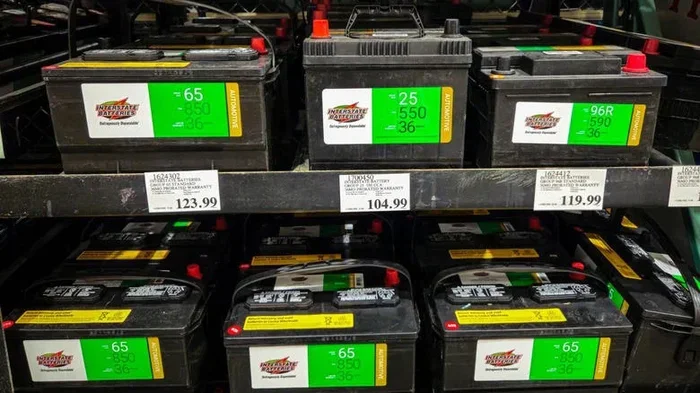
A $200 battery usually comes with a 3- to 5-year warranty. Some brands even offer prorated warranties, which means you get partial credit if the battery fails early. Brands like DieHard, Interstate, and Duralast often fall in this price range. These are trusted names that mechanics and everyday drivers rely on every day.
AGM Batteries at the Lower End
Absorbent Glass Mat, or AGM, batteries are a step up. They handle deeper discharges and last longer than standard batteries. A new AGM battery at $200 might be on the lower end of the pricing scale. You may find a smaller-capacity AGM unit or a refurbished option in this range. Full-size AGM batteries for trucks and SUVs usually cost more — closer to $250 to $350.
Factors That Affect Car Battery Prices
Why does one battery cost $80 and another cost $300? The price difference comes down to several key factors. Understanding these helps you decide whether $200 is expensive for a car battery in your specific case.
Battery Type and Technology
The type of battery your car needs has the biggest impact on price. Here is a quick look at the main types:
- Standard flooded lead-acid: $50 to $120. These are the most basic and affordable options.
- Enhanced flooded battery: $100 to $180. These offer better durability and cycle life.
- AGM (Absorbent Glass Mat): $150 to $350. These handle higher electrical demands and last longer.
- Hybrid/EV batteries: $1,000 to $6,000+. These are completely different from standard car batteries.
As you can see, $200 sits right in the middle of most standard battery ranges. It is a fair price for a quality AGM or enhanced flooded unit.
Vehicle Make and Model
The car you drive matters. A compact sedan needs a smaller, cheaper battery. A full-size truck or a luxury sedan needs a bigger, more powerful one. A Toyota Camry battery might cost around $150 to $200. A Ford F-150 or a BMW 5 Series could push past $250 easily. The engine size, electrical system demands, and physical battery size all factor in.
Cold Cranking Amps and Reserve Capacity
Cold cranking amps, or CCA, measure how well a battery starts your engine in cold weather. The higher the CCA rating, the more the battery costs. If you live in a cold climate, you need a battery with a higher CCA. This can push the price above $200. Reserve capacity measures how long the battery can power your car if the alternator fails. Both specs matter, and both affect price.
Brand and Warranty
Not all batteries are created equal. Premium brands charge more because they offer longer warranties and better build quality. A no-name battery at $100 might last two years. A name-brand battery at $200 could last five or six years. When you look at cost per year of ownership, the more expensive battery can actually be the better deal.
When $200 Is a Fair Price
Now that we have covered what affects pricing, let us talk about when $200 makes perfect sense. In most common scenarios, a $200 car battery is a reasonable and fair purchase.
For Most Standard Sedans and Trucks
If you drive a common sedan, SUV, or light truck, $200 is right in the expected range. Vehicles like the Toyota Camry, Honda Accord, Ford Explorer, or Chevrolet Silverado all use batteries that typically fall between $150 and $250. At $200, you are getting a reliable battery with a solid warranty. You are not overpaying, and you are not skimping on quality.
When You Get a Good Warranty
A $200 battery with a 5-year full replacement warranty is a great value. Compare that to a $120 battery with a 2-year limited warranty. The longer warranty means less risk for you. If the battery fails in year three, you get a free replacement. That peace of mind is worth something. So when you see a $200 battery with a strong warranty, it is often a smart buy.
When You Include Installation
Some stores include free installation with the purchase of a battery. If you get your battery installed at the same place you buy it, $200 covers both the part and the labor. That is a huge convenience. Doing it yourself saves money, but not everyone has the tools or the confidence. When installation is included, $200 is a very fair price.
When $200 Might Be Too Much
While $200 is fair in many cases, there are situations where it might feel steep. Let us look at when you should question that price tag.
For Basic Economy Vehicles
If you drive a small economy car with a simple electrical system, a $200 battery might be overkill. A basic flooded lead-acid battery for a car like a Hyundai Accent or a Nissan Versa might only cost $60 to $100. Paying $200 for that type of vehicle means you are paying for features you do not need. In this case, $200 could be considered expensive for a car battery.
When You Can Get the Same Battery Cheaper Online
Online retailers often sell the same brand and model batteries for 10 to 20 percent less than brick-and-mortar stores. If you are comfortable with DIY installation, buying online can save you $30 to $50. A battery that costs $200 at the local parts store might be $160 online. That savings adds up, especially if you are on a tight budget.
When the Battery Is Still Recoverable
Sometimes a battery is not actually dead — it just needs a good charge or a maintenance fix. Corroded terminals, a parasitic drain, or a short drive cycle can all make a battery seem dead. Before you drop $200 on a new battery, have someone test it first. You can visit an auto parts store for a free battery test. Many stores will check your battery, alternator, and charging system at no cost. If the battery just needs a jump start or a trickle charge, you save yourself $200.
For more on this, check out our guide on can you charge a dead car battery to learn about recovery options before buying a new one.
How to Get the Best Deal on a Car Battery
Nobody wants to overpay for a car battery. The good news is, there are simple steps you can take to make sure you get the best value for your money.
Compare Prices Across Stores
Prices vary widely between retailers. AutoZone, O’Reilly, Advance Auto Parts, Walmart, and online stores like Amazon all sell car batteries. A quick phone call or a few minutes of online browsing can reveal price differences of $30 to $50 for the same battery model. Always check at least two or three sources before buying.
Look for Coupons and Promotions
Most auto parts stores run weekly promotions. They offer discounts, mail-in rebates, or seasonal sales. A $200 battery might drop to $160 with a coupon. Signing up for store loyalty programs can also unlock exclusive deals. These small savings add up over time.
Ask About Core Charges
Many states charge a core fee when you buy a new battery. This fee is refundable when you return your old battery. It typically ranges from $5 to $15. If a store quotes you $200 but does not mention a core charge, ask. The total cost might actually be $215, with $15 refunded when you return the old unit.
Consider DIY Installation
Replacing a car battery is one of the easiest DIY jobs you can do. It usually takes about 10 to 15 minutes. You need a wrench, some gloves, and basic safety awareness. By installing the battery yourself, you skip the labor fee. That alone can save you $20 to $50. Plus, you learn something new about your vehicle.
Check for Battery Recycling Programs
Old car batteries contain lead and acid, which are harmful to the environment. Most retailers offer free recycling when you buy a new battery. Some even give you a small discount on your next purchase for returning the old one. Battery recycling is good for the planet and can save you a few dollars too.
For tips on keeping your battery healthy, read our article on can a car battery die while driving to understand common causes of battery failure and how to avoid them.
How to Make Your Car Battery Last Longer
Buying a new battery is an investment. You want it to last as long as possible. The average car battery lasts 3 to 5 years, but with proper care, you can push that to 6 years or more. Here are some practical tips.
Keep Your Battery Clean
Over time, battery terminals can develop a white or blue-green crusty buildup. This is corrosion, and it can interfere with your battery’s performance. Every few months, wipe down the terminals with a baking soda solution and a wire brush. This simple habit keeps the connection strong and extends battery life.
Avoid Short Trips
Your alternator charges the battery while you drive. Short trips do not give the alternator enough time to fully recharge the battery. If you mostly drive around the block, your battery slowly loses charge over time. Try to take longer drives when you can, or use a battery maintainer if your car sits for long periods.
Turn Off Accessories Before Shutting Off the Engine
Headlights, radio, phone chargers, and other accessories draw power from the battery. If you leave them on, you drain the battery faster. Make it a habit to turn everything off before you shut down the engine. This small change reduces strain on the battery every single time you drive.
Get Regular Battery Tests
Most auto parts stores offer free battery testing. Get your battery checked at least twice a year — once before winter and once before summer. Extreme temperatures are the biggest enemies of car batteries. Cold weather makes it harder to start the engine. Hot weather accelerates internal corrosion. Regular testing helps you catch a weak battery before it leaves you stranded.
If you have ever been stuck with a car that won’t start, you know how frustrating it is. To learn more about what to do when your battery fails on the road, check out our article on can a car battery die while driving for helpful advice on handling unexpected battery failures.
Quick Tips: Is 200 Expensive for a Car Battery?
- Know your vehicle’s battery size before shopping. Check your owner’s manual or look at the label on your old battery.
- Compare the price per year of warranty, not just the upfront cost. A $200 battery with 5 years of coverage costs $40 per year.
- Don’t ignore the manufacturing date. A battery that has been sitting on a shelf for a year is already halfway through its life.
- Ask if the price includes installation and any core charges before you commit to buying.
- Keep your receipt and warranty card in a safe place. You will need them if you ever file a warranty claim.
Common Mistakes People Make When Buying a Car Battery
Avoiding these mistakes can save you money and frustration.
- Buying the cheapest option without checking the warranty. A $50 battery with no warranty is a gamble. It might last a year, or it might fail in three months.
- Ignoring the CCA rating. If you live in a cold climate and buy a battery with low cold cranking amps, you might struggle to start your car in January.
- Forgetting to reset electronics after installation. Some vehicles need radio codes or clock resets after a battery swap. Check your owner’s manual for steps.
- Not recycling the old battery properly. Leaving an old battery in a landfill is harmful. Always return it to the retailer for safe recycling.
- Assuming all batteries are the same. Different brands use different materials and build processes. A premium battery often outperforms a budget one in both lifespan and reliability.
Expert Insights: What Mechanics Say About the $200 Battery Price
We asked several experienced auto mechanics what they think about the $200 price point for a car battery. Here is what they had to say.
Mike R., ASE-certified mechanic with 15 years of experience: “In my shop, $200 is the sweet spot for most of our customers. It gets you a reliable battery from a trusted brand with a solid warranty. I tell my customers not to go cheaper unless their vehicle is basic and simple. The last thing anyone wants is a dead battery on a Monday morning.”
Sarah T., service manager at a major dealership: “OEM batteries from dealerships often cost more than $200. But aftermarket batteries at that price point work just as well for most drivers. The key is matching the right CCA and group size to the vehicle. A $200 battery is a smart choice for the average car owner.”
David L., battery specialist at an auto parts chain: “We see a lot of customers who think $200 is too much. But when you factor in the warranty and expected lifespan, it is actually very reasonable. A $200 battery that lasts five years costs less per year than a $100 battery that lasts two years.”
Conclusion: Is 200 Expensive for a Car Battery?
So, is 200 expensive for a car battery? For most drivers, the answer is no. A $200 car battery is a fair and reasonable price for a standard vehicle. It gets you a quality battery from a trusted brand, a solid warranty, and enough power to start your engine reliably in all seasons.
That said, context matters. If you drive a small economy car, $200 might be more than you need. If you drive a hybrid, a luxury vehicle, or a large truck, $200 might be on the lower end of what you should expect. The key is to know your vehicle, understand what you need, and compare prices before you buy.
Take the time to shop around, check for coupons, and ask about warranty terms. A little research goes a long way. And remember, the cheapest battery is not always the best value. The best battery is the one that fits your vehicle, matches your driving needs, and lasts for years to come.
With the right information, you can walk into any auto parts store or browse any online retailer with confidence. You will know exactly what to look for, what to expect, and when $200 is a great deal — and when it is not.
Frequently Asked Questions
Is $200 a good price for a car battery?
Yes, for most standard vehicles, $200 is a fair and reasonable price. It typically gets you a mid-range battery with a solid warranty and enough cold cranking amps for everyday driving. The exact value depends on your vehicle type and the battery brand.
How long should a $200 car battery last?
A quality $200 car battery should last between 3 and 5 years on average. Some premium batteries with proper maintenance can last up to 6 years. Driving habits, climate, and vehicle electrical demands all affect lifespan.
Can I install a car battery myself to save money?
Yes, installing a car battery is one of the easiest DIY car maintenance tasks. It usually takes 10 to 15 minutes and only requires a basic wrench set. Just make sure to disconnect the negative terminal first and reconnect it last for safety.
What makes a car battery expensive?
Several factors drive up battery prices, including battery type (AGM or hybrid), cold cranking amps rating, brand reputation, warranty length, and the specific vehicle requirements. Luxury and performance vehicles also need more expensive batteries.
Does car insurance cover battery replacement?
Most standard car insurance policies do not cover battery replacement due to normal wear and tear. However, if a battery fails due to a covered event like a collision, it may be included. Check with your insurance provider for specific coverage details.
How can I tell if my battery needs replacing or just recharging?
Get a free battery test at most auto parts stores. They check the voltage, cold cranking amps, and overall health of your battery. If the battery holds a charge and tests above 75% capacity, a recharge might be all you need. If it fails the test, replacement is the better option.