Why Is My Coolant Temperature High And How To Fix It Now
Your coolant temperature runs high because of common issues like a stuck thermostat, low coolant, a failing water pump, or a clogged radiator. Ignoring an overheating engine can lead to costly repairs and serious engine damage. This guide walks you through every cause, symptom, and fix so you can tackle the problem fast and keep your car running safely.
Your dashboard temperature gauge creeping into the red zone is one of the scariest sights for any driver. A coolant temperature high reading means your engine is running hotter than it should, and that is never something to brush off. Whether you notice steam puffing from the hood or just a subtle rise on the gauge, understanding the root cause is the first step to a fix.
Engines generate enormous heat during normal operation. The cooling system handles that heat by circulating coolant through the engine block and radiator. When something disrupts that flow, temperatures climb fast. In this article, we break down every reason your coolant temperature might be high and give you clear, actionable fixes you can start today.
We will cover everything from simple top-offs to more complex repairs like a failing water pump or a blown head gasket. By the end, you will know exactly what to look for, what tools you need, and when to call a professional. Let us dive in.
Key Takeaways
- Low coolant is the #1 cause: A simple leak or evaporation can spike your temperature quickly.
- A stuck thermostat blocks coolant flow: Replacing it is cheap and easy.
- Water pump failure shuts down your entire cooling system: Watch for whining noises and steam.
- Head gasket leaks mix coolant with oil: This is a serious and expensive repair if ignored.
- Regular coolant flushes prevent buildup: Flush your system every 30,000 miles to stay ahead of problems.
- You can check for leaks at home: A pressure test and visual inspection go a long way.
- Never ignore the temperature warning light: Pull over safely and let the engine cool before investigating.
📑 Table of Contents
- What Does a High Coolant Temperature Mean?
- Top Reasons Your Coolant Temperature Is High
- How to Diagnose a Coolant Temperature Problem
- How to Fix a High Coolant Temperature
- Preventing Coolant Temperature Problems
- When to See a Professional
- Quick Tips for Emergency Overheating
- Key Takeaways
- Frequently Asked Questions
- Final Thoughts
What Does a High Coolant Temperature Mean?
Your engine operates best within a specific temperature range, usually between 195°F and 220°F. When the coolant temperature high warning appears, it means the engine has exceeded that safe zone. Modern cars have sensors that monitor coolant temperature constantly and send data to the dashboard gauge or warning light.
A high reading does not always mean your engine is about to seize. Sometimes it is a minor issue like a loose radiator cap. Other times, it signals a deeper problem that needs immediate attention. The key is knowing what to look for and how fast to react.
Common Warning Signs to Watch For
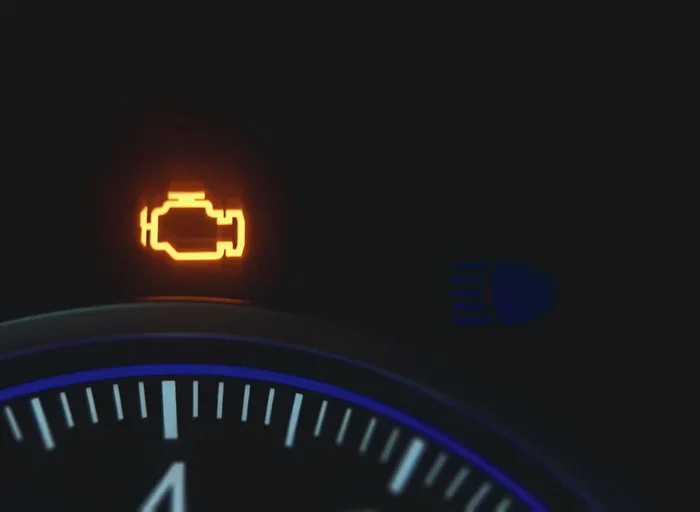
- Temperature gauge in the red zone: The most obvious sign. If the needle climbs past the normal range, pay attention.
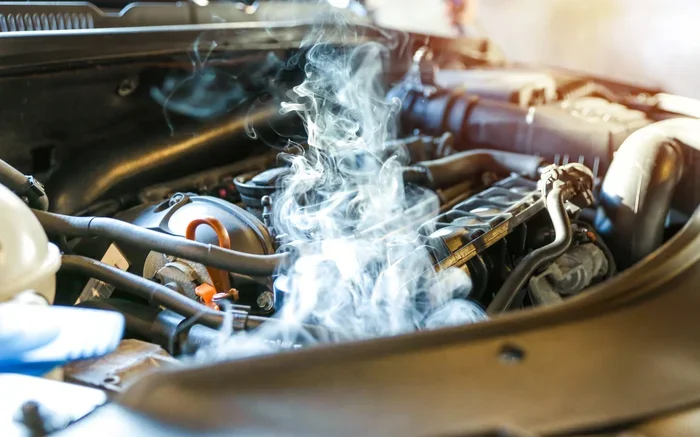
- Steam or smoke from the hood: This often means coolant is boiling and leaking onto hot engine parts.
- Sweet smell inside or outside the car: Coolant has a distinct sweet odor. A leak inside the cabin often means a heater core issue.
- Coolant puddles under the car: Green, orange, or pink fluid on your driveway is a clear leak indicator.
- Engine running rough or misfiring: Overheating can cause uneven combustion and power loss.
If you notice any of these signs, pull over safely and turn off the engine. Let it cool for at least 15 to 20 minutes before opening the hood. Opening a hot radiator cap can cause serious burns from pressurized steam and boiling coolant.
Top Reasons Your Coolant Temperature Is High
Several issues can cause your engine to overheat. Some are quick and inexpensive to fix. Others require more involved repairs. Here are the most common culprits behind a coolant temperature high reading.
Low Coolant Level
This is the single most common reason engines overheat. Coolant levels drop over time through normal evaporation, or worse, through a leak somewhere in the system. Even a small drop in coolant can reduce the system’s ability to absorb and transfer heat effectively.
Check your coolant reservoir when the engine is cool. The fluid should sit between the minimum and maximum marks. If it is low, top it off with the correct type of coolant for your vehicle. However, topping off is only a temporary fix. You need to find and repair the source of the leak to prevent it from happening again.
Common leak points include the radiator hoses, water pump gasket, heater core, and radiator itself. If you suspect a leak but cannot find it visually, a mechanic can perform a cooling system pressure test. This test pressurizes the system and reveals even tiny leaks that are hard to spot with the naked eye.
Interestingly, a coolant leak can also cause your engine to overheat in ways you might not expect. For more on how leaks lead to overheating, check out our detailed guide on can a coolant leak cause overheating. Understanding the connection helps you catch problems earlier.
Thermostat Stuck Closed
The thermostat is a small valve that opens and closes to regulate coolant flow through the engine. When the engine is cold, the thermostat stays closed to help it warm up quickly. Once the engine reaches operating temperature, the thermostat opens to allow coolant to flow through the radiator.
When a thermostat gets stuck in the closed position, coolant cannot reach the radiator to release heat. This causes the engine to overheat rapidly, even on short drives. A stuck thermostat is one of the most common reasons for a coolant temperature high reading, and the fix is straightforward.
Replacing a thermostat typically costs between $100 and $300, including parts and labor. It is one of the least expensive cooling system repairs you can do. Signs of a failing thermostat include:
- The temperature gauge fluctuates wildly between hot and cold.
- The heater blows cold air even when the engine is hot.
- The engine takes a long time to warm up in cold weather.
- You notice overheating after the engine has been running for a while.
Water Pump Failure
The water pump is the heart of your cooling system. It circulates coolant through the engine block, hoses, and radiator using an impeller driven by a belt or electric motor. When the water pump fails, coolant stops moving, and heat builds up fast.
Water pump failures often happen gradually. You might notice a small leak around the pump weep hole, a whining or grinding noise from the front of the engine, or steam coming from the engine bay. These are early warning signs you should not ignore.
Replacing a water pump can range from $300 to $750 depending on your vehicle. On many engines, the water pump is driven by the timing belt, which means the repair involves significant labor. If you are also due for a timing belt replacement, it makes sense to do both jobs at the same time to save on labor costs.
Radiator Issues
The radiator dissipates heat from the coolant into the air flowing through the radiator fins. When the radiator gets clogged, damaged, or blocked, it cannot release heat efficiently. This causes coolant temperatures to climb.
External blockages like bugs, dirt, and debris can restrict airflow through the radiator fins. Internal buildup from old coolant and rust can clog the radiator tubes. In either case, the result is the same: your engine runs hotter than it should.
Flushing the cooling system on schedule helps prevent internal buildup. Most manufacturers recommend a coolant flush every 30,000 miles or every two years, whichever comes first. If your radiator is severely clogged or damaged, a replacement may be necessary.
Another radiator-related issue is a faulty radiator cap. The cap maintains the correct pressure in the cooling system, which raises the boiling point of the coolant. A weak or stuck cap can cause coolant to boil at lower temperatures and overflow from the overflow tank. This is a surprisingly common and overlooked cause of overheating.
Too Much Coolant in the System
You might think more coolant equals better cooling, but that is not always true. Overfilling the cooling system can cause problems of its own. When coolant expands as it heats up, excess fluid has nowhere to go but out through the overflow hose. This can create a mess and, more importantly, introduce air pockets into the system.
Air pockets block coolant flow and create hot spots inside the engine. These hot spots can cause localized overheating even when the overall coolant level looks fine. If you have recently topped off your coolant and noticed overheating, overfilling might be the culprit.
To learn more about how too much coolant affects your engine, read our article on can too much coolant cause overheating. It covers the science behind coolant levels and why balance matters so much.
No Coolant at All
Running an engine with no coolant is a guaranteed way to cause overheating and severe engine damage. Coolant is the only fluid that absorbs and transfers heat away from critical engine components. Without it, metal parts grind against each other under extreme heat, leading to warping, cracking, and even a cracked engine block.
There are many reasons coolant can run out completely. A major hose rupture, a failed water pump, a blown head gasket, or simply neglecting to check fluid levels over time can all lead to a dry cooling system. If you ever notice your car has been running without coolant, stop driving immediately and let the engine cool before adding fluid.
For a deeper look at what happens when your engine has no coolant, our article can no coolant make a car overheat explains the damage timeline and what to do if you find yourself in this situation.
How to Diagnose a Coolant Temperature Problem
Figuring out why your coolant temperature is high starts with a systematic check. You do not need to be a professional mechanic to perform the basic diagnostics. Here is a step-by-step approach you can follow at home.
Step 1: Check the Coolant Level
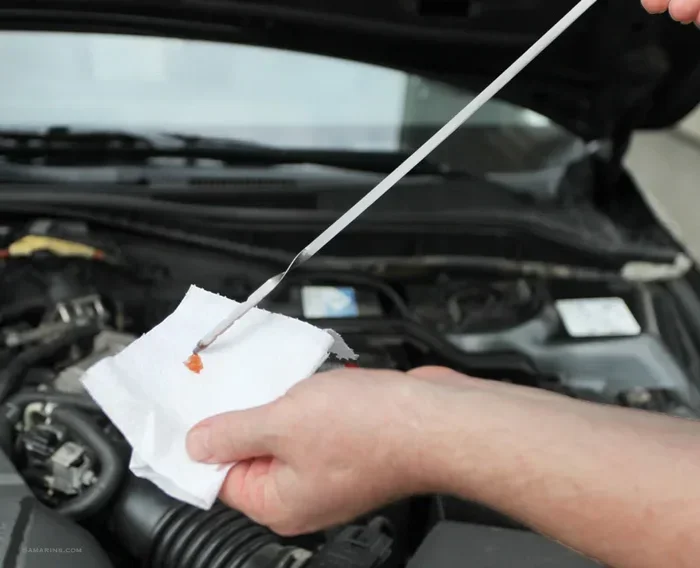
With the engine completely cool, open the radiator cap and inspect the coolant level. The fluid should reach the top of the radiator neck. If the level is low, note the color and consistency. Rusty or oily coolant may indicate a more serious internal problem.
Step 2: Look for Visible Leaks
Inspect the radiator hoses, clamps, water pump, and radiator cap for signs of leaks. Look for wet spots, crusty residue, or drips on the ground beneath the car. A flashlight helps you see into tight spaces around the engine bay.
Step 3: Test the Thermostat
Start the engine from cold and watch the temperature gauge. The needle should rise slowly and then level off in the normal range. If the needle shoots up quickly or stays near the cold mark, the thermostat may be stuck. You can also remove the thermostat and test it in a pot of boiling water to see if it opens at the correct temperature.
Step 4: Check the Radiator Fan
With the engine warmed up, the radiator fan should kick on when the temperature reaches a certain point. If the fan does not engage, the issue could be a faulty fan motor, a bad temperature sensor, or a blown fuse. Some cars have separate fans for the air conditioning and the radiator, so check both systems.
Step 5: Inspect the Water Pump
Look for leaks around the water pump pulley. Start the engine and listen for unusual whining or grinding sounds coming from the front of the engine. These noises often indicate a failing water pump bearing or impeller.
How to Fix a High Coolant Temperature
Once you identify the cause, fixing the problem depends on what you found. Here are the most common repairs and how to approach them.
Quick Fixes You Can Do at Home
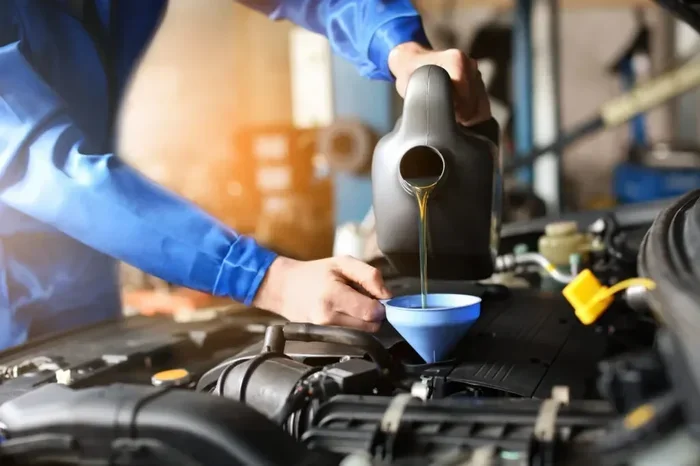
- Top off the coolant: If the level is low, add the correct coolant mixture. A 50/50 mix of coolant and distilled water works for most vehicles.
- Replace the radiator cap: A new cap costs under $20 and eliminates pressure-related issues.
- Flush the cooling system: Draining old coolant and refilling with fresh fluid removes rust and buildup that can clog the system.
- Clear debris from the radiator: Use a soft brush or compressed air to remove bugs and dirt from the radiator fins.
Repairs That Need a Mechanic
- Thermostat replacement: Quick and affordable, but requires draining the coolant and accessing the thermostat housing.
- Water pump replacement: A more involved job that often requires removing the timing belt or serpentine belt.
- Radiator repair or replacement: Small leaks can sometimes be patched, but a damaged radiator usually needs a full replacement.
- Head gasket repair: This is one of the most expensive and serious engine repairs. A blown head gasket allows coolant to leak into the combustion chambers or oil passages.
One maintenance habit that often gets overlooked is checking your engine oil level. Running too much oil can also contribute to overheating and pressure issues in the engine. For more on this topic, check out our guide on can I drive my car with too much oil in it. It explains how excess oil affects engine performance and temperature.
Preventing Coolant Temperature Problems
The best way to deal with a high coolant temperature is to prevent it from happening in the first place. A little routine maintenance goes a long way toward keeping your cooling system healthy and your engine running at the right temperature.
Follow Your Maintenance Schedule
Check your owner’s manual for the recommended coolant flush interval. Most vehicles need a coolant change every 30,000 to 60,000 miles. Sticking to this schedule removes contaminants and ensures the coolant maintains its proper chemical balance.
Inspect Hoses and Connections Regularly
Coolant hoses crack and swell with age. Squeeze your hoses during a routine check. If they feel brittle, spongy, or show visible cracks, replace them before they fail. A hose replacement costs very little compared to the damage a burst hose can cause.
Monitor Your Temperature Gauge
Make it a habit to glance at your temperature gauge during every drive. Catching a slow rise early gives you time to address the problem before it becomes a major repair. If you notice the gauge creeping higher than normal, pull over and investigate rather than pushing through.
Use the Right Coolant
Not all coolants are the same. Using the wrong type can cause corrosion, reduce cooling efficiency, and damage internal components. Always use the coolant specification recommended by your vehicle manufacturer. Mixing different coolant types can also cause chemical reactions that create sludge and clog the system.
Keep the Radiator Clean
A clean radiator allows maximum airflow to dissipate heat. Hose down the front of the radiator during regular car washes to remove bugs, dirt, and debris. This simple habit can make a noticeable difference in your engine’s operating temperature, especially during hot weather or heavy towing.
When to See a Professional
Some cooling system problems are easy to diagnose and fix on your own. Others require professional tools and expertise. You should see a mechanic if you experience any of the following:
- The temperature gauge stays in the red zone even after adding coolant.
- You see white smoke coming from the exhaust, which can indicate a head gasket leak.
- Your oil looks milky or frothy, suggesting coolant has mixed with the oil.
- You hear knocking or pinging sounds from the engine, which can signal heat-related damage.
- You have repeated overheating episodes despite topping off the coolant.
Ignoring a persistent overheating problem can lead to a cracked engine block, warped cylinder heads, or complete engine failure. These repairs can cost thousands of dollars. Catching the problem early and getting professional help when needed saves you money and keeps your car safe to drive.
Quick Tips for Emergency Overheating
If your engine starts overheating while you are driving, here is what to do right away:
- Turn on the heater: This sounds counterintuitive, but turning the heater to full blast pulls heat from the engine and into the cabin. It can buy you a few minutes to find a safe place to pull over.
- Pull over safely and turn off the engine: Do not keep driving an overheating engine. Even a few more minutes of driving can cause irreversible damage.
- Do not open the radiator cap immediately: Wait at least 15 to 20 minutes for the system to cool down. Pressurized hot coolant can cause severe burns.
- Call for help if needed: If you cannot identify the problem quickly, a tow truck is a better option than risking further engine damage.
Key Takeaways
- Low coolant is the #1 cause: A simple leak or evaporation can spike your temperature quickly.
- A stuck thermostat blocks coolant flow: Replacing it is cheap and easy.
- Water pump failure shuts down your entire cooling system: Watch for whining noises and steam.
- Head gasket leaks mix coolant with oil: This is a serious and expensive repair if ignored.
- Regular coolant flushes prevent buildup: Flush your system every 30,000 miles to stay ahead of problems.
- You can check for leaks at home: A pressure test and visual inspection go a long way.
- Never ignore the temperature warning light: Pull over safely and let the engine cool before investigating.
Frequently Asked Questions
Can I keep driving if my coolant temperature is high?
No. Driving with a high coolant temperature can cause serious and permanent engine damage. Pull over safely, turn off the engine, and let it cool before checking the coolant level. If the problem persists, call a tow truck instead of continuing to drive.
How much does it cost to fix a high coolant temperature?
The cost depends entirely on the cause. A thermostat replacement might cost $100 to $300, while a water pump repair can run $300 to $750. A head gasket repair is the most expensive and can range from $1,000 to $2,500 or more. Early diagnosis keeps costs lower.
What coolant should I use for my car?
Always use the coolant type specified in your owner’s manual. Different vehicles require different coolant formulations, and mixing types can cause chemical reactions that damage the cooling system. When in doubt, check with your dealership or a trusted mechanic.
Can low oil cause high coolant temperature?
Yes, indirectly. Engine oil helps regulate heat by lubricating moving parts and carrying away excess heat. Low oil levels can cause friction and heat buildup that affects overall engine temperature. However, low coolant is the more direct cause of a high temperature reading.
How often should I flush my cooling system?
Most manufacturers recommend flushing the cooling system every 30,000 to 60,000 miles. Check your owner’s manual for the specific interval for your vehicle. Regular flushing removes rust, scale, and old coolant that can reduce cooling efficiency over time.
Is it safe to add coolant while the engine is hot?
No. Adding coolant to a hot engine is dangerous because the system is under pressure and the fluid is extremely hot. Wait at least 15 to 20 minutes for the engine to cool before removing the radiator cap or adding coolant. This prevents burns from pressurized steam and boiling fluid.
Final Thoughts
A coolant temperature high reading is your engine’s way of telling you something is wrong. The sooner you address it, the less damage you will face and the less money you will spend. From simple fixes like topping off coolant or replacing a thermostat to more serious repairs like a water pump or head gasket replacement, understanding the cause puts you in control.
Stay proactive with regular maintenance. Check your coolant level monthly, follow your flush schedule, and never ignore a rising temperature gauge. These small habits add up to a healthier engine and fewer surprises on the road. Your cooling system works hard for you every day, and with a little care, it will keep your engine running at the right temperature for years to come.