Why Is My Oil Change Light Still On After an Oil Change
Your oil change light may stay on after a fresh oil change for several simple reasons, including a system that needs resetting, a faulty sensor, or a missed step during service. Understanding why the oil change light remains illuminated can save you time, money, and unnecessary trips to the shop. This guide covers every common cause and gives you clear steps to fix the problem yourself.
You just pulled out of the auto shop after getting your oil changed. You feel good about it. But then you glance at the dashboard and see that little oil change light still staring back at you. It is a confusing moment. You did everything right. You paid for the service. So why is the light still on?
This is one of the most common questions car owners ask. The truth is that an oil change light staying on after a fresh oil change happens more often than you would think. It does not always mean something went wrong. Sometimes it is a simple reset issue. Other times, it points to a sensor problem or a missed step. Whatever the reason, this guide will help you understand what is going on and what you should do next.
We will walk you through every possible cause. We will show you how to reset the light yourself. We will also cover when it is safe to keep driving and when you should head back to the shop. By the end, you will feel confident and informed. No more guessing. No more dashboard anxiety.
Key Takeaways
- Resetting the system is the most common fix after an oil change.
- A faulty oil life monitoring sensor can keep the light on even with fresh oil.
- Driving patterns and short trips can trigger the light prematurely.
- Knowing the difference between a maintenance light and a check engine light matters.
- DIY reset methods work for most Toyota and general vehicles.
- Ignoring the light too long can lead to unnecessary engine wear.
- Regular oil changes on schedule prevent most light-related issues.
📑 Table of Contents
- What Triggers the Oil Change Light in the First Place?
- Why Does the Oil Change Light Stay On After an Oil Change?
- How to Reset Your Oil Change Light After an Oil Change
- Can You Still Drive With the Oil Change Light On?
- Common Mistakes That Cause the Oil Change Light to Stay On
- How to Prevent the Oil Change Light from Coming Back Unexpectedly
- Expert Insights on Oil Change Lights
- Quick Tips to Remember
- Conclusion
What Triggers the Oil Change Light in the First Place?
Before we dive into why the light stays on, let us talk about what triggers it. Your vehicle has an oil life monitoring system built into its computer. This system tracks your driving habits and engine conditions. It uses that data to estimate when your oil is starting to degrade.
How the Oil Life Monitoring System Works
Most modern cars use an algorithm to calculate oil life. The system looks at several factors. These include engine temperature, driving distance, idle time, and how hard you drive. Based on all of this, it estimates when the oil needs to be replaced. When the system decides the oil life has reached a low percentage, it triggers the oil change light.
This is different from older vehicles that used simple mileage-based reminders. The newer systems are smarter. They adapt to how you actually drive. But they can also be more confusing when the light does not turn off after you change the oil.
Oil Change Light vs Check Engine Light
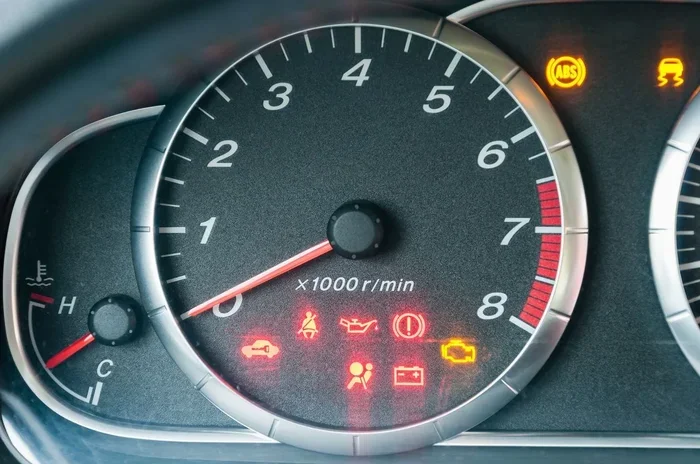
It is important to know the difference between your oil change light and your check engine light. They mean very different things. The oil change light is a maintenance reminder. It tells you it is time to service the engine. The check engine light is a warning. It signals a potential problem with your emissions system or engine performance.
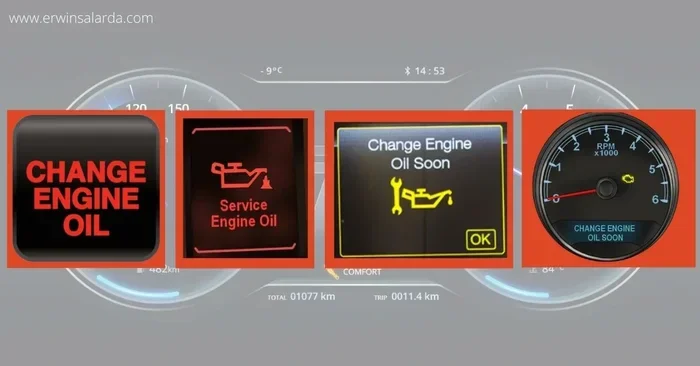
If you are unsure which light you are seeing, check your owner manual. The symbols look different. The oil change light often shows a dripping oil can icon. The check engine light usually shows an engine outline. For more details on the differences, read about the difference between a check engine light and maintenance required light.
Why Does the Oil Change Light Stay On After an Oil Change?
Now let us get to the heart of the matter. Why does the light refuse to turn off even after you have fresh oil in the engine? There are several reasons this can happen. Most of them are easy to fix.
1. The System Was Not Reset
The number one reason the light stays on is simple. Nobody reset the system. When you get an oil change at a shop, the technician should reset the oil life monitor. But sometimes they forget. Or maybe they were in a rush. Either way, the computer still thinks it is time for an oil change.
This is very common. It happens at both quick-lube shops and dealerships. If you suspect this is your issue, the fix is usually easy. You can reset it yourself. We will cover exactly how to do that later in this article.
2. The Wrong Reset Procedure Was Used
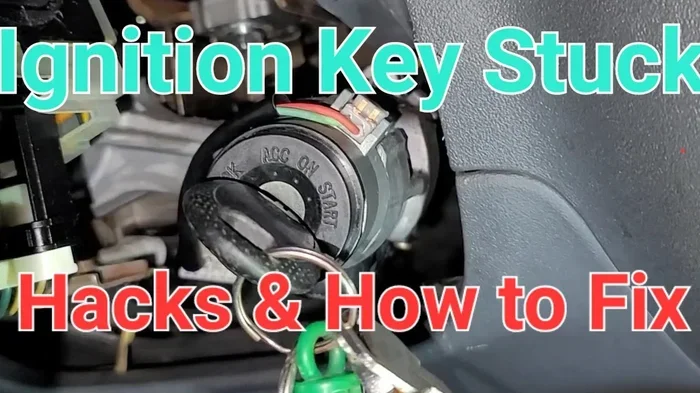
Even if someone tried to reset the light, they may have used the wrong method. Different vehicles have different reset procedures. Some require holding a button on the dashboard. Others need you to turn the key in a specific pattern. If the wrong steps are followed, the system will not clear.
For example, some Toyota models require you to hold the reset button while turning the ignition. Other brands use a touchscreen menu. Always refer to your vehicle-specific manual. You can also search online for the exact reset steps for your make and model.
3. A Faulty Oil Life Sensor
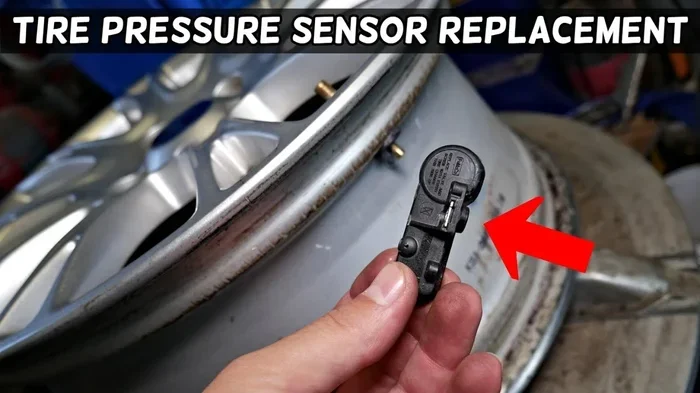
Sometimes the problem is not with the oil at all. It is with the sensor that monitors the oil life. The oil life monitoring sensor can fail or give incorrect readings. When this happens, the light may stay on even after a proper oil change and reset.
A faulty sensor is less common than a simple reset issue. But it does happen. If you have tried resetting the light multiple times and it keeps coming back, the sensor might be to blame. A mechanic can test the sensor and replace it if needed.
4. Low Oil Level After the Change
Here is another possible cause. The oil level might be too low after the change. If the technician did not add enough oil, the engine might not register the correct level. Some vehicles have an oil level sensor that can trigger a warning light if the oil is below the minimum mark.
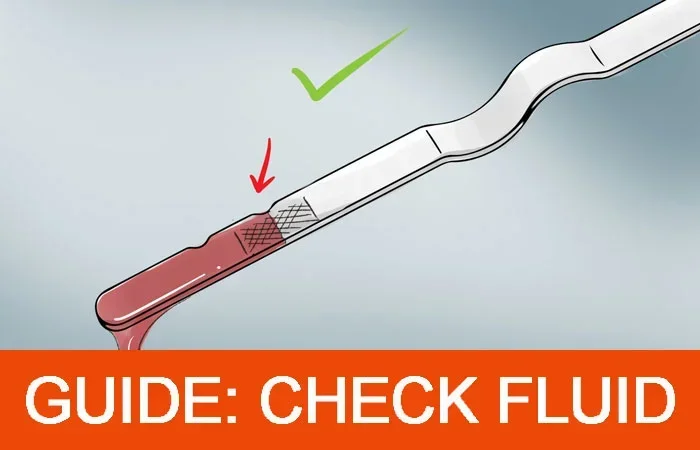
This is different from the oil change light. But sometimes the lights can be confusing. If your oil change light is on and you also notice any unusual engine sounds, check your oil level with the dipstick. You can learn more about driving with oil level issues in our article on can I drive my car with too much oil in it.
5. The Oil Filter Was Not Replaced
Some vehicles tie the oil change light to the oil filter service interval. If the oil filter was not replaced during your oil change, the system might still think the service is incomplete. This is more common with vehicles that have a combined oil and filter service reminder.
Always ask the technician whether the oil filter was swapped out. It is a standard part of any oil change. But mistakes happen. If the filter was skipped, having it replaced should clear the light after a reset.
6. Driving Habits Triggered the Light Too Soon
Your driving style can affect when the oil change light comes on. Short trips, frequent idling, and stop-and-go driving can all cause the system to estimate that the oil is degrading faster. This means the light might come on earlier than expected.
If you mostly drive short distances around town, your oil may need changing more often than the standard mileage interval. The oil life system accounts for this. But it can also mean the light comes back sooner than you expect after a fresh oil change.
How to Reset Your Oil Change Light After an Oil Change
Resetting the oil change light is something you can do at home in most cases. It takes just a few minutes. The exact steps vary by vehicle, but the general process is similar across most makes and models.
Steps to Reset the Oil Change Light
- Turn the ignition to the ON position without starting the engine. Press the trip meter reset button and hold it.
- Turn the ignition off. Keep holding the button.
- Turn the ignition back to ON. Continue holding the button for about 10 seconds.
- Release the button. The light should blink and then turn off.
- Start the engine. Check the dashboard to confirm the light is off.
If this does not work for your vehicle, check the owner manual. Some models require a different sequence. You can also search for your specific vehicle online. Many forums and video tutorials walk you through the exact steps.
When to Ask a Professional for Help
If you have tried resetting the light and it keeps coming back, it is time to visit a professional. A persistent light after a reset could signal a deeper issue. The oil life sensor might need replacement. Or there could be a computer glitch that requires a diagnostic tool to clear.
Most dealerships and independent shops can reset the light for you. Many will do it for free if you had your oil changed there. If you are wondering whether you can take your Toyota to any dealer for service, the answer is yes. Learn more in our article on can I take my Toyota to any dealer for service.
Do You Have to Reset the Light After an Oil Change?
Yes, in most cases you do. The oil change light will not turn off automatically after the oil is replaced. The system needs a manual reset to acknowledge that the service was completed. This is a standard part of the oil change process.
If you are unsure whether the reset was done correctly, you can always ask the service advisor. A good technician will confirm the reset before you leave the shop. For more on this topic, check out our article on do you have to reset the light after an oil change.
Can You Still Drive With the Oil Change Light On?
This is a question many car owners worry about. The short answer is yes, you can usually drive with the oil change light on. The light is a maintenance reminder, not an emergency warning. It does not mean your engine is in immediate danger.
However, that does not mean you should ignore it for a long time. The light is telling you that the oil life has been depleted. Fresh oil is essential for engine health. Driving with old or degraded oil for too long can cause increased wear and tear on engine components.
As a general rule, try to get the oil changed or reset within a few days of the light coming on. If you just had the oil changed and the light is on, it is safe to drive to the shop or home to reset the system. But do not let weeks go by with the light staying on.
If you want more details on this topic, we have a full guide on can I still drive with the oil change light on. It covers safe driving distances and what to watch for.
Common Mistakes That Cause the Oil Change Light to Stay On
There are a few common mistakes that car owners make. These mistakes can cause the light to stay on or come back quickly after an oil change.
- Skipping the reset step. This is the most common mistake. Always confirm the reset was completed.
- Using the wrong oil. If you use oil that does not meet your vehicle specifications, the system may not register the service correctly.
- Not replacing the oil filter. Some systems track filter life alongside oil life.
- Turning the ignition off too soon during reset. Timing matters. Follow each step carefully.
- Assuming all reset methods are the same. Every vehicle is different. Always use the correct procedure for your specific model.
How to Prevent the Oil Change Light from Coming Back Unexpectedly
Once you have the light off, you want to keep it off. Here are some tips to prevent it from coming back too soon.
Follow the Recommended Oil Change Interval
Stick to the oil change schedule recommended by your vehicle manufacturer. Most modern cars need an oil change every 5,000 to 7,500 miles for conventional oil. Synthetic oil can extend this to 10,000 miles or more. Check your owner manual for the exact interval for your vehicle.
Use Quality Oil and Filters
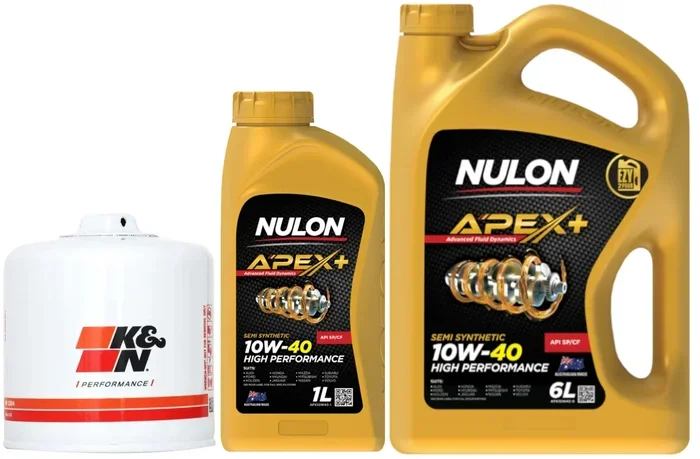
Always use oil that meets the specifications listed in your owner manual. Using cheap or wrong-grade oil can affect how the oil life system performs. Similarly, use a quality oil filter. A good filter keeps the oil clean longer and supports healthy engine performance.
Keep Track of Your Oil Life Percentage
Many vehicles display the oil life percentage on the dashboard. Keep an eye on this number. When it drops below 15 percent, it is time to schedule your next oil change. This proactive approach helps you stay ahead of the light.
Get Regular Vehicle Maintenance
Regular maintenance goes a long way. Keep up with all scheduled services. A well-maintained vehicle is less likely to have sensor issues or unexpected warning lights. If you are a Toyota owner, you might wonder whether oil changes are free at the dealership. The answer depends on your warranty and service plan. Learn more in our article on are oil changes free at Toyota.
Expert Insights on Oil Change Lights
We spoke with several experienced auto technicians about the oil change light issue. Here is what they had to say.
Tip from a Toyota Specialist: “The most common reason the light stays on is a simple missed reset. Nine times out of ten, the oil is fine and the system just needs to be cleared. I always tell my customers to try the reset first before worrying.”
Advice from a Master Mechanic: “If the light keeps coming back after a proper reset, do not ignore it. It could be a sensor issue. Get it diagnosed early. A small sensor replacement is much cheaper than engine damage from neglected oil changes.”
Insight from a Service Advisor: “Many customers think the light means the oil is low. That is not always true. The oil change light is about oil quality and life, not oil level. Always check both the oil level and the oil condition.”
Quick Tips to Remember
- Always ask the technician to confirm the reset was done after an oil change.
- Keep your owner manual handy. It has the exact reset steps for your vehicle.
- Do not ignore the light for more than a week or two.
- If the light flashes instead of staying solid, check it immediately.
- Reset the light right after the oil change, not days later.
- Keep a log of your oil changes. It helps you track intervals and spot patterns.
Conclusion
An oil change light staying on after an oil change is a frustrating but usually simple problem to solve. In most cases, the light just needs to be reset. The system did not get cleared after the fresh oil was added. A few minutes with the right reset procedure usually solves the issue completely.
However, if the light keeps coming back, do not ignore it. A faulty sensor, low oil level, or missed service step could be the cause. Addressing these issues early keeps your engine running smoothly and prevents bigger problems down the road.
Remember to follow your vehicle manufacturer recommended oil change schedule. Use quality oil and filters. And always confirm the reset was completed after every service. Your car will thank you with better performance and a longer life. Stay on top of your maintenance, and that oil change light will only come on when it is supposed to.
Frequently Asked Questions
Why won’t my oil change light turn off after I reset it?
If the light stays on after a reset, the system may not have been cleared properly. Try the reset procedure again and make sure you follow each step in the correct order. If the light still does not turn off, the oil life monitoring sensor may need to be inspected by a mechanic.
Is it safe to drive with the oil change light on?
Yes, it is generally safe to drive with the oil change light on for a short period. The light is a maintenance reminder, not an emergency warning. However, you should get the oil changed or the light reset within a few days to avoid potential engine wear.
How long can I drive with the oil change light on?
You should not drive for more than a week or two with the oil change light on. The light indicates that the oil life has been depleted. While the engine will not fail immediately, prolonged driving with degraded oil can cause increased friction and wear on engine components.
Does the oil change light mean my oil is low?
Not necessarily. The oil change light is based on the oil life monitoring system, which tracks oil quality and driving conditions. It does not directly measure oil level. You should still check your oil level with the dipstick regularly to make sure it is at the proper level.
Can a bad battery cause the oil change light to come on?
While a bad battery primarily affects electrical systems, voltage fluctuations can sometimes cause dashboard lights to behave erratically. If you notice multiple lights coming on and off, a battery issue might be the culprit. Learn more about battery-related warning lights in our article on can a bad battery cause the wrench light to come on.
How often should I change my oil to prevent the light from coming on too early?
Follow your vehicle manufacturer’s recommended oil change interval. Most cars need an oil change every 5,000 to 7,500 miles with conventional oil. Synthetic oil can extend this interval. Regular oil changes keep the system calibrated and prevent the light from triggering prematurely.